
Understanding the Migratory Crisis in Ceuta
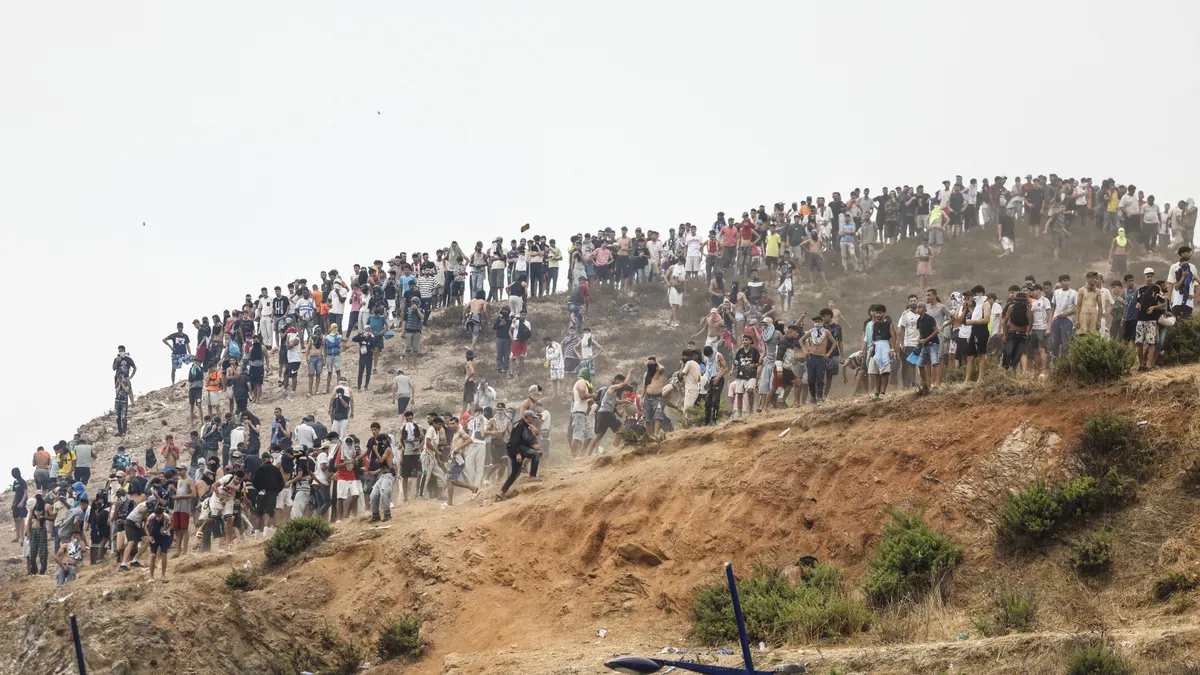
A significant and alarming influx of migrants, primarily from Morocco, has occurred at the Spanish enclave of Ceuta, prompting intense scrutiny and analysis from the Spanish media. Rather than merely depicting the overwhelming images of thousands crossing the border, journalists are delving deeper into the geopolitical ramifications of this event. The question of "why now?" dominates discussions as this latest wave of migration occurs against the backdrop of strained relations between Spain and Morocco, particularly following Spanish Prime Minister Pedro Sánchez's recent visit to Algeria, a regional rival of Rabat. This visit aimed to mend political and economic ties that had been damaged after Spain's rapprochement with Morocco over the contentious Western Sahara issue. This timing raises suspicions among various media outlets that the surge in migration may not be entirely organic but could be a calculated move influenced by Moroccan authorities.
Political Pressure and Youth Desperation
The Catalan newspaper Ara highlights a troubling coincidence: the current surge in migrants mirrors previous instances where Morocco has used migration as a diplomatic tool. In May 2021, for instance, nearly 9,000 migrants were allowed to enter Ceuta following Spain's decision to provide medical care to Brahim Ghali, the leader of the Polisario Front. This situation illustrates how Morocco has previously leveraged migration to exert political pressure on Spain. However, while some experts suggest that this recent influx could be part of a Moroccan strategy to convey dissatisfaction, others argue that it may also be fueled by the actions of human smuggling networks and the spread of misinformation on social media regarding Spain's immigration policies.
Regardless of the motivations behind this migration crisis, it is critical to acknowledge the underlying realities faced by many Moroccan youths, who are often driven by despair, unemployment, and a lack of future prospects. The overwhelming majority of the migrants are young men, sometimes minors, who perceive that they have nothing to lose and see Europe as their only hope for a better life. The Spanish newspaper El País notes the unpreparedness of local authorities to handle the sudden influx, which quickly overwhelmed existing reception facilities in the enclave.
As the situation continues to evolve, it has led to a significant number of migrants returning to Morocco, as they are unable to reach the Spanish mainland. This dynamic reveals that the crisis does not equate to an outright "submersion" of Spain or Europe, contrary to claims made by radical right-wing factions. Furthermore, media outlets like Ara caution against the rise of xenophobic rhetoric, urging readers to recognize the complexities of the situation while acknowledging the very real humanitarian challenges it presents. The situation in Ceuta underscores not only Spain's vulnerability to Moroccan influence but also the broader implications of Europe’s outsourced migration controls and the societal distress affecting a segment of Moroccan youth. This crisis is undeniably significant but does not signify an inevitable overrun of Europe by migrants.
As reported by ladepeche.fr.