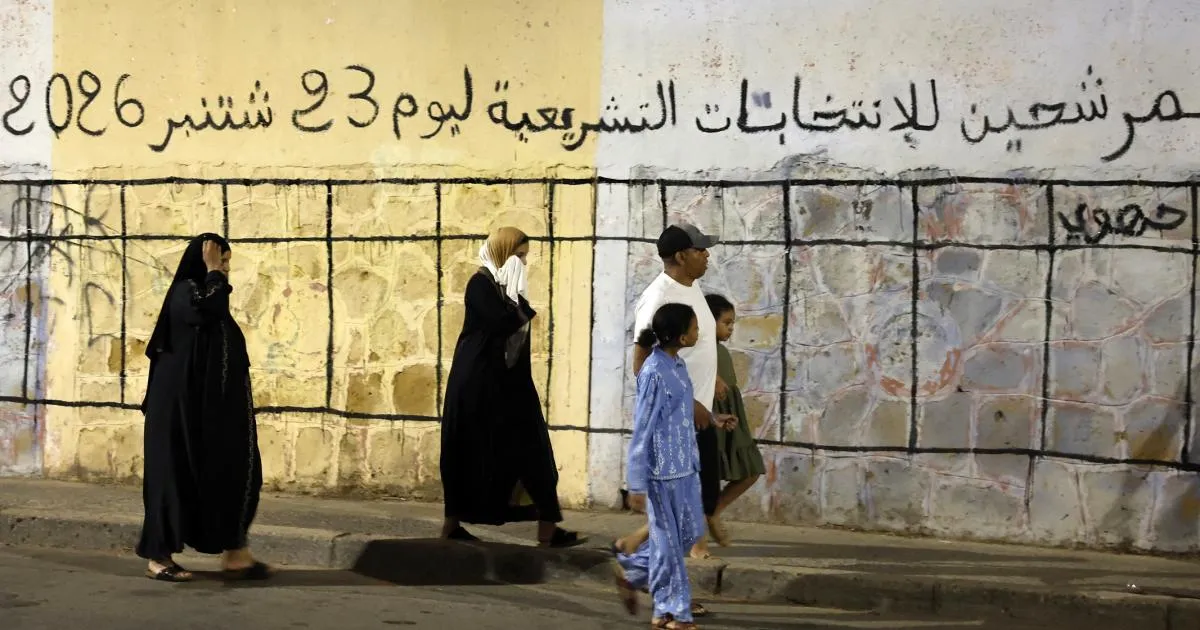

Workers Unite: May Day Demonstrations in Morocco
The International Workers' Day, celebrated on May 1st, witnessed significant demonstrations in Morocco, particularly in major cities such as Rabat, Casablanca, and Marrakesh. These protests were organized by the Moroccan Union of Labor (UMT), with participants voicing their demands for higher wages, increased job opportunities, and improved working conditions. The backdrop for these protests is a country grappling with heightened exploitation and unemployment rates amidst a transition towards a more imperialistic economic framework. Despite a booming economy, characterized by substantial investments from both Moroccan and foreign monopolies, the agricultural sector has suffered greatly, resulting in the loss of approximately 1.7 million jobs since the year 2000.
While industrial job opportunities are emerging, the stark reality is that as of 2025, around 1.62 million individuals remain unemployed, with youth unemployment among those aged 15 to 24 rising from 36.7% to 37.2%. Similarly, the unemployment rate for women has escalated from 19.4% to 20.5%. In a speech during the May Day celebrations, Miloudi Moukharik, the General Secretary of the UMT, criticized governmental policies that prioritize macroeconomic stability over social equity, leading to increased speculation, strengthened monopolies, and the erosion of public welfare protections. This has contributed to growing social and spatial inequalities, the decline of the middle class, and a pervasive sense of hopelessness among the youth.
In February 2025, five major unions called for a general strike in response to a proposed new strike law that would severely restrict the right to strike, limiting it only to labor-related issues and criminalizing strikes aimed at addressing the rising cost of living or government policies. The Moroccan working class now faces the pressing challenge of expanding its fight for democratic rights and freedoms, including the right to strike, while fostering class consciousness and proletarian internationalism. The UMT reaffirmed its solidarity with the Palestinian people during the May Day celebrations, although it regards the liberation struggle of the Sahrawi people as illegitimate, labeling the region as "Moroccan Sahara."
Solidarity in Tunisia: A Call for Change
In Tunisia, thousands took to the streets on May 1, 2026, with demonstrations occurring primarily in Tunis, but also in cities like Sfax and Sidi Bouzid. The exact number of participants remains to be confirmed. Salah Eddine Salmi, the head of the Tunisian General Labour Union (UGTT), delivered a historic speech in Tunis, honoring the struggles of workers in Chicago in 1886 and paying tribute to fallen fighters in Tunisia. The current labor conditions in Tunisia are increasingly challenging due to the exclusion of unions from societal roles, restrictions on union rights, and the dismissal of numerous workers and union representatives.
The Tunisian populace is currently facing surging living costs and diminishing purchasing power, leading to a rise in poverty and escalating unemployment, particularly among the youth. Salmi spoke about global shifts in power dynamics, heralding the onset of a transition towards a multipolar world order, the outcomes of which remain unpredictable. The UGTT stands firmly in support of the Palestinian cause, advocating for the establishment of a Palestinian state with Jerusalem as its capital. This stance resonates strongly with the Tunisian public's solidarity with the Palestinian liberation struggle.
However, Salmi's remarks also propagated reformist illusions, framing "social dialogue" as a crucial element for stability. He appeared to endorse class collaborationism and social chauvinism, asserting that the UGTT is not fundamentally opposed to capital but rather against the marginalization of productive national capital, acknowledging its essential role in wealth creation and national development. Yet, for the average worker, the source of exploitation—be it from a Tunisian, French, or Chinese capitalist—remains inconsequential.
As reported by rf-news.de.