
Middle East Tensions Impact Military Deliveries
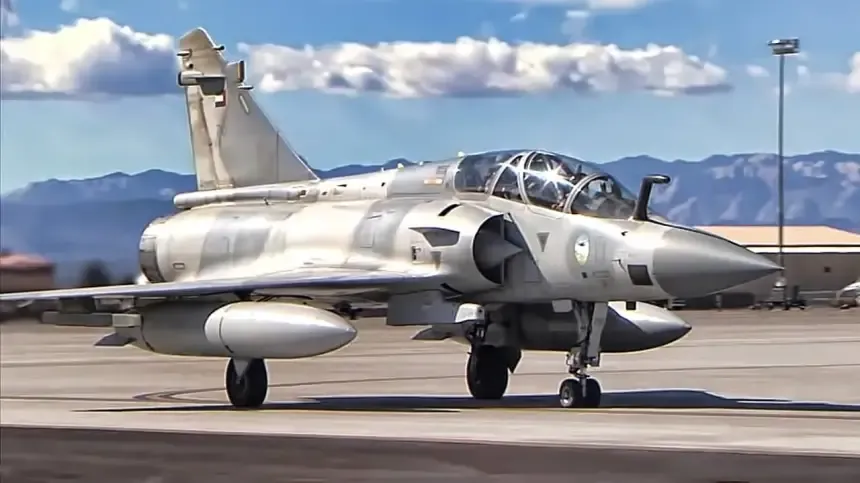
Recent reports indicate that the anticipated delivery of 30 Mirage 2000-9 fighter jets from the United Arab Emirates (UAE) to Morocco has encountered a significant delay due to escalating military tensions in the Middle East. Spanish media outlets, including "La Razón" and "Africa Intelligence," have highlighted that the ongoing conflict with Iran has led Abu Dhabi to reconsider the timing of this transfer, as it seeks to maintain the operational readiness of its current air fleet until the incoming French Rafale jets are fully integrated into its arsenal.
This postponement reveals the complexities of military logistics in a region marked by uncertainty and geopolitical volatility. The UAE's decision underscores a strategic move to ensure that there are no gaps in its defensive capabilities during this sensitive period. The delivery schedule for the 80 Rafale F4 aircraft ordered from France will play a crucial role in determining when the Mirage aircraft will be transferred to the Royal Moroccan Armed Forces. Initial shipments of the Rafale jets are expected to commence in 2026, further complicating the timeline for the Mirage's arrival.
Future Maintenance and Relations Between Morocco and the UAE
In anticipation of the eventual transfer of the Mirage jets, the UAE has taken proactive measures by signing agreements for the maintenance of the aircraft's engines, indicating that the actual delivery could potentially extend into 2027. Despite these technical delays, the diplomatic relationship between Morocco and the UAE remains robust, with King Mohammed VI reiterating Morocco's unwavering support for the security and stability of its Emirati ally in light of current regional challenges. This ongoing partnership reflects a shared commitment to mutual defense and cooperation, even amidst external pressures that might affect military procurement timelines.
As reported by akhbarona.com.