
Ceuta's Migration Surge Reveals EU Disunity
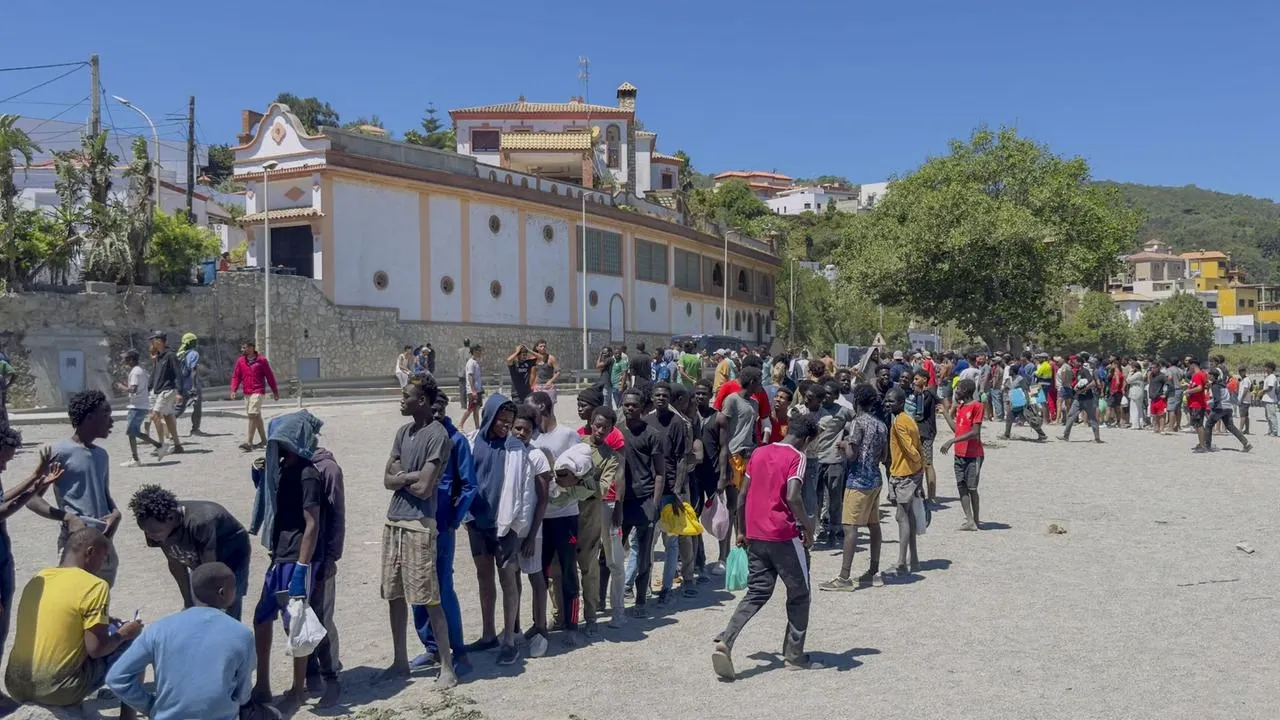
Judith Kohlenberger, a migration researcher, has highlighted how the recent influx of up to 60,000 migrants from Morocco to the Spanish enclave of Ceuta has exposed significant rifts within the European Union. She emphasizes that as long as migration is wielded as a political tool, the EU remains vulnerable to coercion. The situation escalated last week, with many European leaders criticizing Spain's migration policies, while Madrid countered by accusing other nations of politicizing the crisis. Following the uproar, EU member states have pledged to unite and enhance their preparedness with better early warning systems and coordinated crisis communication, as outlined in a hastily convened video conference.
Kohlenberger's analysis of the situation paints a stark picture: the EU initially failed to pass the "stress test" presented by Ceuta and only later adjusted its stance. Six weeks after the introduction of the new European asylum system, she expected leaders and the European Commission to reference these regulations to demonstrate their ability to manage such crises in a structured and effective manner. However, the response was predominantly unilateral and primarily from Spain, rather than a cohesive European effort.
Underlying Issues and Future Implications
The migration researcher notes that most of the individuals arriving were Moroccan nationals, particularly youths and young adults, many of whom were not primarily seeking asylum but were instead motivated by economic prospects. The staggering youth unemployment rate in Morocco, which stands at approximately 38%, serves as a significant driver for this migration trend as the younger generation sees little hope for their future. Furthermore, there has been a widespread misconception that opportunities for work and permanent residency await them in Spain, leading many to return after realizing the challenges they would face.
A smaller contingent of migrants hailed from sub-Saharan countries, and it remains to be seen whether some among them will file asylum claims, which Spain would be obliged to accept according to a Supreme Court ruling. Residents of Ceuta have observed that the migrants arrive weary and thirsty, expressing a desire to assist them but simultaneously fearing an escalation of the situation.
Kohlenberger critiques Spain's legal approach to the crisis, asserting that immediate repatriations do not comply with EU or international law, especially for individuals who reach Ceuta by swimming. However, she notes that Spain's border security measures are already among the most stringent in the world, and merely increasing security will not address the root causes of migration. The focus must shift to tackling the factors that drive people to flee their home countries. Nations such as Morocco, Tunisia, and Libya have essentially become gatekeepers for Europe, wielding their influence over migration flows as leverage against the EU. Kohlenberger likens Morocco to the EU's border police, underscoring the urgency with which Europe regards the arrival of migrants.
While Kohlenberger considers another surge of migrants unlikely due to the current state of alert among involved systems, she does not rule it out entirely. "We continue to witness such border surges at varying intervals, not just in Ceuta but also in other enclaves. This is not the first occurrence," she remarks. The insights shared in this interview underscore the complexities of migration policy and the need for a unified European approach to effectively address these challenges.
As reported by zdfheute.de.