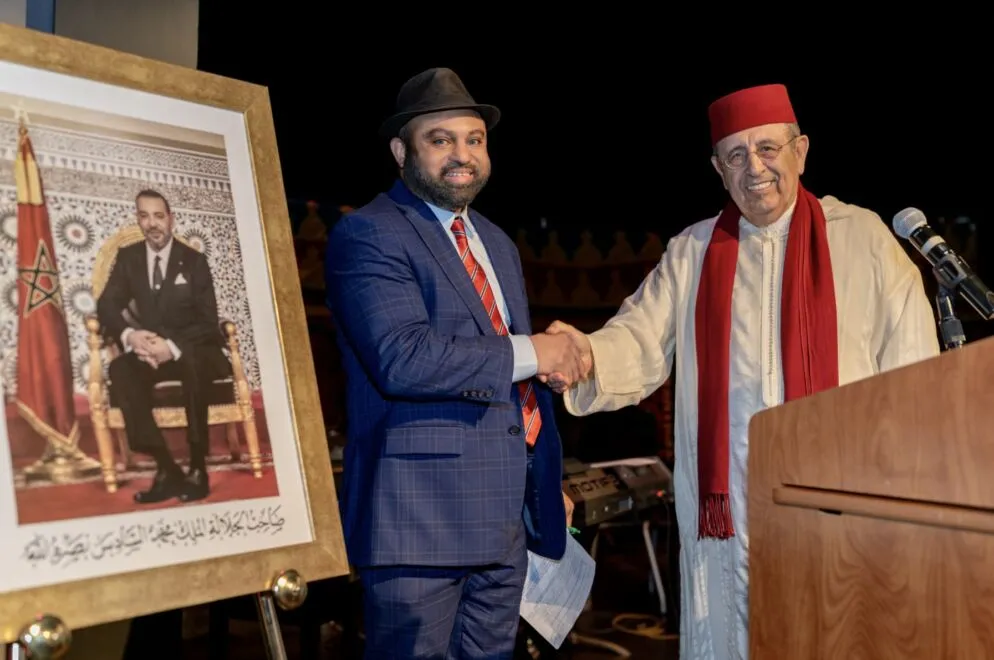

Celebrating Coexistence and Hope at the Annual Mimouna Festival
The 12th annual Mimouna, organized by Sephardic Heritage International in Washington D.C., took on a profound significance this year, particularly against the backdrop of the ongoing conflict in Iran. This Moroccan Jewish celebration, which marks the conclusion of Passover, served not only as a festive gathering but also as a powerful reminder of the values of peace and neighborliness. Afraim Katzir, the founding director of SHIN DC, emphasized the essence of the event, noting that Mimouna is a time when Jewish homes traditionally opened their doors to welcome others, including Moroccan Muslims, symbolizing unity and community spirit.
The festival, held on April 12, featured a vibrant array of live performances, traditional Moroccan delicacies, and insightful speeches from diplomats and congressional members. Katzir remarked that participating in Mimouna feels akin to being at home, underscoring the warmth and hospitality that characterize this celebration. As the United States and Israel engaged in military operations against Iran just weeks prior, the festival emerged as a beacon of hope and resilience, reinforcing its core message of coexistence amid turmoil.
A Celebration of Diversity and Interfaith Unity
Attendees indulged in an assortment of homemade Moroccan sweets and dishes that had been off-limits during Passover, highlighting the culinary traditions integral to the Mimouna experience. Katzir explained that the festival's two fundamental pillars are delectable food and music, all wrapped in a spirit of neighborliness. The event showcased performances by Moroccan-Israeli artist Neta Elkayam and an interfaith musical ensemble, further enriching the cultural tapestry of the gathering. Historically, Mimouna has united Morocco’s diverse communities, and Katzir noted that the current gathering in D.C. reflected an even broader spectrum of diversity, with participants from various faiths and backgrounds.
Among the attendees were not only Moroccan Jews but also individuals from Christian, atheist, and agnostic backgrounds, illustrating the festival's unique ability to foster interfaith connections. Katzir pointed out that this unity is crucial, especially in the fight against antisemitism, which cannot be addressed solely by the Jewish community. He emphasized that Mimouna transcends being a Jewish celebration; it embodies the importance of collective efforts towards harmony and understanding among all people.
During the event, Katzir recited a poignant poem by Rabbi David Buzaglo, a 20th-century Moroccan rabbi, which captures the spirit of brotherhood central to Mimouna. The poem reflects on the tradition of Moroccan Muslims presenting gifts to their Jewish neighbors after Passover, emphasizing the shared joy and camaraderie that the holiday promotes. Katzir highlighted the pressing need for this spirit of unity, particularly in light of contemporary global tensions, expressing a desire for greater hope and connection among Jews, Muslims, and all communities.
The significance of this year's Mimouna extended beyond mere celebration; it served as a reminder of the enduring quest for peace and coexistence. With the festival coinciding with the end of Passover, Katzir noted its symbolic importance in commemorating future redemption and envisioning a world where peace prevails over conflict. He articulated a collective yearning for hope amidst the challenges faced today, hoping that the message of interfaith peace and neighborliness embodied by Mimouna would blossom across the globe, including in the Middle East and Iran. As Katzir succinctly put it, the essence of Mimouna is a message that is always needed, serving as a rallying cry for unity and understanding in a fractured world.
As reported by washingtonjewishweek.com.