Voter Sentiments Following Morocco's Parliamentary Elections
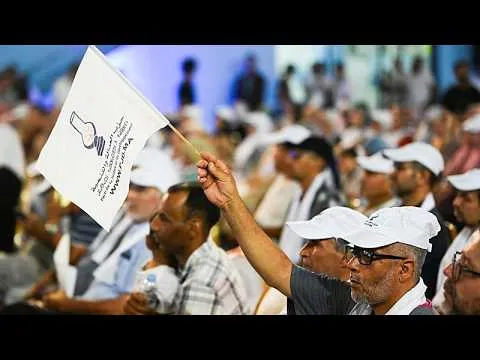
The recent parliamentary elections in Morocco have elicited a spectrum of reactions from the public, reflecting a landscape of hope intertwined with pressing concerns. While many voters have expressed satisfaction with the peaceful nature of the electoral process, there is a palpable urgency among citizens for the newly elected government to take decisive action against escalating economic challenges, such as rising prices and unemployment, along with the strain on public services. The provisional results revealed that the Authenticity and Modernity Party (PAM) emerged as the largest party, securing 97 of the 395 seats in the House of Representatives. Meanwhile, the National Rally of Independents (RNI), which currently leads the coalition, trailed in second place with 66 seats. This outcome signifies that PAM will require the formation of a coalition to govern effectively, and the next head of government will be appointed from their ranks by King Mohammed VI.
However, the elections were marred by a notably low voter turnout, with only 38 percent of Morocco's 16 million registered voters participating—the lowest since 2007. The low engagement raises concerns about the political climate and voter confidence in the electoral process. Shopkeeper Youssef articulated a common sentiment among voters, emphasizing the necessity for the government to address the surging cost of living. He stated, "My message to the future government is that it must give citizens the means to assert their rights, particularly in the face of rising prices and the cost of living." This call for action underscores the need for economic measures that can alleviate the financial burden on everyday citizens.
Political Landscape and Future Challenges
Retired voter Abdelhaq Saidi expressed satisfaction with the overall electoral atmosphere, noting, "Everything went very well. The atmosphere at the polling stations was excellent, with no tension or incidents whatsoever." In a similar vein, student Ziad Benhaj reflected on the election results, highlighting the freedom voters had to choose their preferred party, stating, "The results are fairly good because each citizen supported the party that suited them best." The election also saw a remarkable resurgence of the Islamist Justice and Development Party (PJD), which gained 54 seats, a significant increase from just 13 in 2021. Their campaign strategy focused on pressing issues such as corruption, purchasing power, youth unemployment, and public healthcare—areas that resonate deeply with the concerns of the electorate.
These elections occur against a backdrop of increasing discontent among younger Moroccans, particularly following last year's protests that advocated for enhanced health and education services. Demonstrators criticized the government’s focus on large infrastructure projects and international sporting events, calling for urgent improvements to hospitals and schools. Notably, Morocco is making significant investments in sports infrastructure, such as stadiums and high-speed rail, in anticipation of co-hosting the 2030 World Cup with Spain and Portugal. Nonetheless, challenges like unemployment and regional disparities persist, presenting a formidable task for the incoming government. The new administration will be under considerable pressure to ensure that economic growth and major development projects translate into meaningful benefits for the average citizen.
As reported by africanews.com.