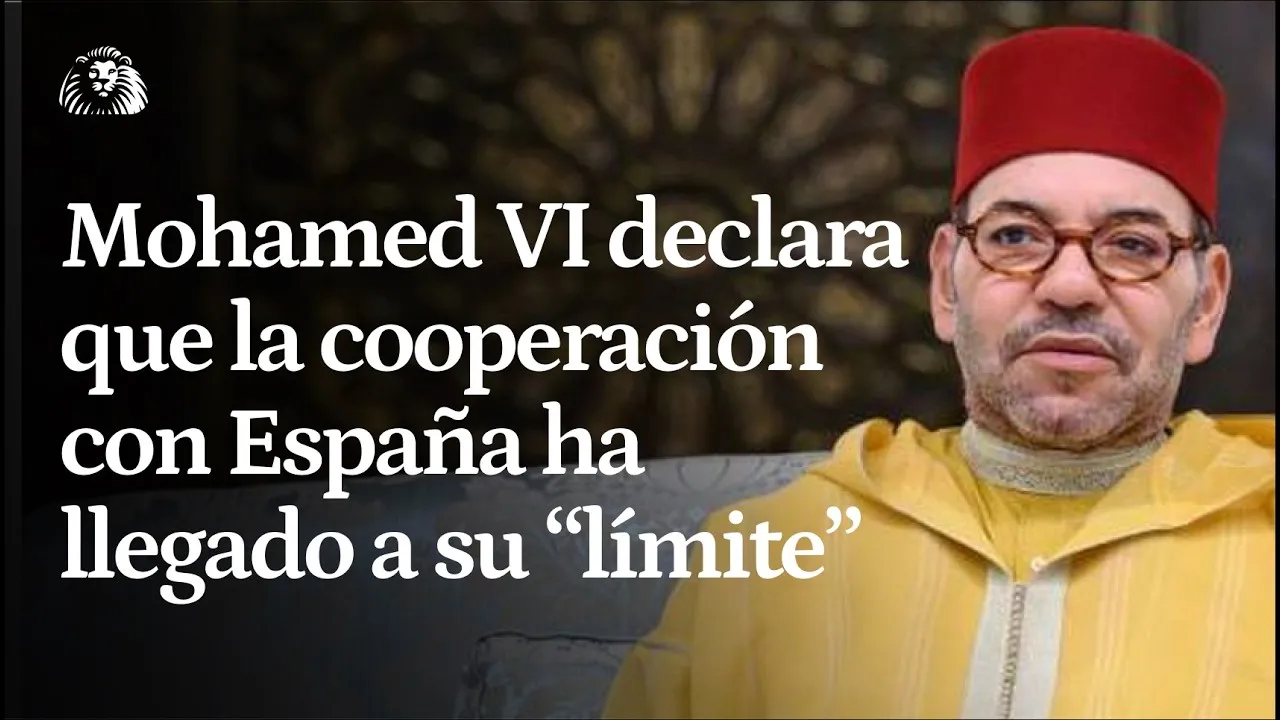

Mohamed VI Declares Limits on Cooperation with Spain Amidst Migration Concerns
In a recent address to the Moroccan Parliament, King Mohamed VI expressed his concerns regarding the current state of cooperation with Spain, asserting that their partnership has reached a "limit". He emphasized that while significant progress has been made in various areas, particularly in combating illegal immigration, the existing framework has become outdated and is no longer effective. The King pointed out that legal provisions and judicial decisions are hindering repatriation efforts for minors and those improperly claiming refugee status, ultimately exacerbating the ambitions of criminal networks.
During his speech, the monarch, who appeared with visible signs of health deterioration, indicated that a new migration framework would be proposed to address these issues. He firmly stated that Morocco's decisions on partnerships should not be subjected to pressure, threats, or blackmail, underscoring the sovereignty of the nation in such matters. He called upon the Parliament to dedicate this legislative period to structural transformations that would position Morocco as an emerging economic power dedicated to social justice.
King Mohamed VI also reasserted Morocco's role as a serious and respected partner of the European Union, particularly in addressing challenges with member states and Spain. While acknowledging the strides made in border cooperation and the fight against human trafficking, he cautioned against the paralysis stemming from outdated legal frameworks and judicial interpretations. He highlighted the recurrent crises, particularly the migratory influx in Spanish cities like Ceuta, as evidence that the current model of cooperation has reached its limits.
The King criticized the obstacles that hinder the repatriation of minors and the misuse of refugee status, denouncing the political exploitation of these issues by certain foreign sectors. He announced that Morocco would soon present European countries with a framework document outlining a new strategic vision focused on co-development, competitiveness, and regional stability, asserting that external alliances should remain free from external pressures.
In his address, the monarch emphasized the historical significance and cultural identity of Morocco as vital to facing contemporary challenges. He committed to reorienting the country's public priorities in response to the rapid global geostrategic transformations, alongside the ongoing completion of existing infrastructure projects. His royal plan includes a new generation of comprehensive strategies across critical sectors such as water, energy, and food sovereignty, as well as a strong commitment to the digital economy and artificial intelligence.
To address international volatility, the King urged parliamentarians to accelerate the establishment of strategic reserves for essential goods and made a direct appeal to the private business sector to take an active role in investment, industrial development, and job creation. He highlighted that the youth would be at the forefront of public policies aimed at ensuring equal opportunities through education, training, and socioeconomic inclusion. Furthermore, he underscored the importance of territorial development and administrative decentralization, insisting on the effective implementation of the Decentralization Charter without further delays or hesitations.
As reported by youtube.com.