
Mohammed Reda Benjelloun: A Leading Force in Moroccan Cinema
Mohammed Reda Benjelloun stands out as a prominent figure in the realm of Moroccan cinema, holding dual roles that intertwine the responsibilities of the Moroccan Cinematic Center with significant involvement in the Marrakech International Film Festival. As the Director of the Moroccan Cinematic Center and the General Secretary of the festival, Benjelloun plays a pivotal role in shaping the cinematic landscape of Morocco, enhancing its visibility on an international stage. His position not only encompasses administrative duties but also places him at the heart of strategic decision-making processes that influence both the festival and the broader film sector.
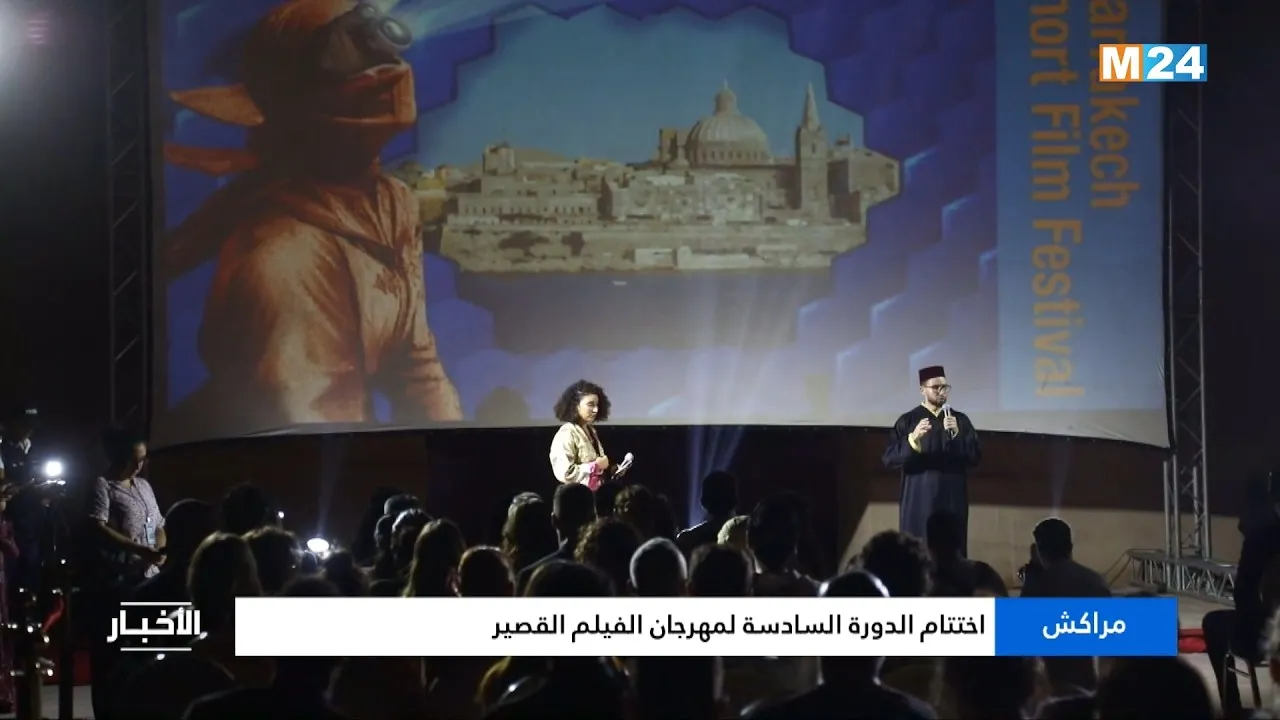
The Marrakech International Film Festival, established under the patronage of His Majesty King Mohammed VI in July 2002, aims to promote cinematic creativity and expand its reach both within Morocco and beyond. The festival is overseen by a board that includes His Royal Highness Prince Moulay Rachid, emphasizing its significance as a cultural event of public interest. Benjelloun’s role within this framework is crucial, as it enables him to bridge national cinema issues with international opportunities, fostering collaboration and exchange among filmmakers from diverse backgrounds.
His responsibilities extend to the organizational committee of the festival, where he collaborates with various stakeholders to ensure a seamless execution of events. This teamwork highlights his commitment to creating a robust infrastructure that supports the festival's objectives, while also allowing each component to maintain its distinct expertise. As the 23rd edition of the festival approaches, scheduled from November 20 to 28, 2026, excitement builds around the potential for innovative dialogues and creative exchanges among industry professionals from around the globe.
Benjelloun's unique position allows him to leverage his extensive knowledge of the sector, derived from his role at the Moroccan Cinematic Center, while simultaneously engaging with an institution that has a notable international impact. This intersection of responsibilities is significant; it not only facilitates the promotion of Moroccan films and filmmakers but also enhances their access to platforms for showcasing their work and networking with peers.
In conclusion, Mohammed Reda Benjelloun exemplifies a dynamic leadership model in Moroccan cinema, effectively combining institutional governance with the creative aspirations of the film community. His contributions are vital in steering the future of Moroccan cinema towards greater recognition and success on the world stage.
As reported by alalam24.press.ma.