
The Mirage of Modern Morocco Under Mohammed VI
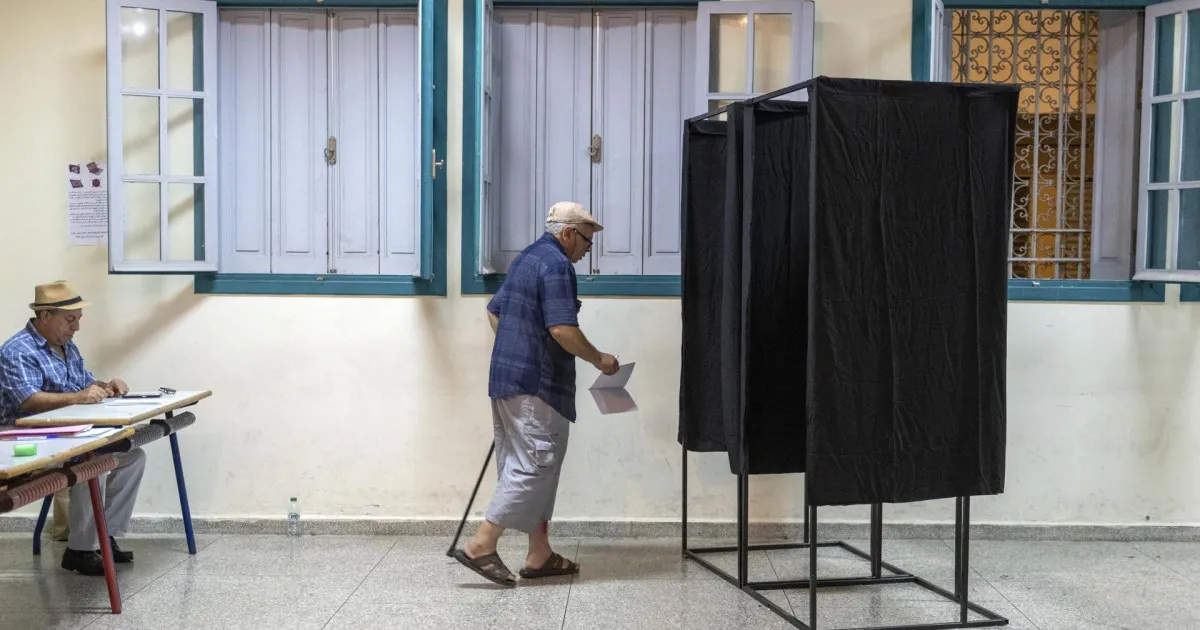
The recent legislative elections held on September 23 witnessed the lowest voter turnout since 2011, leading "The Economist" to portray Morocco as a nation grappling with undeniable achievements alongside persistent social inequalities, a reality starkly highlighted by the recent crisis in Ceuta. The British weekly magazine subtly critiques the rule of Mohammed VI, suggesting that the current atmosphere surrounding his reign is fraught with unrest and potential upheaval.
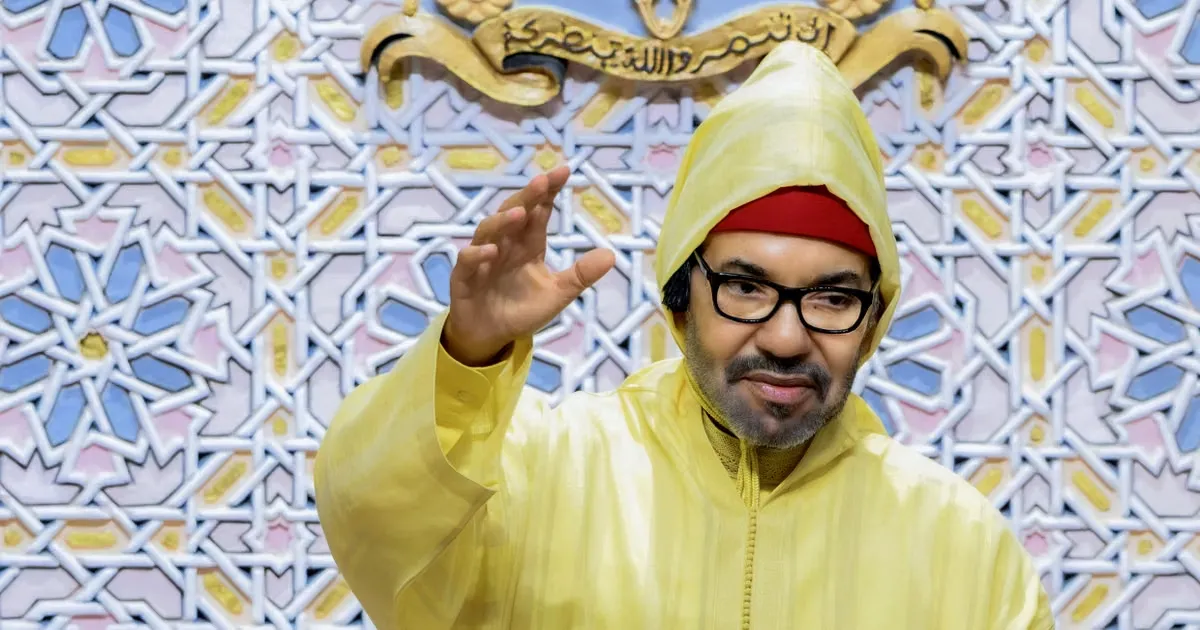
During the Throne Day celebrations on July 30, King Mohammed VI faced a scathing indictment of his rule. The royal procession departed from the beach resort town of M'diq, traveling along a deserted highway to a ceremony attended by members of the elite who came to pay their respects. In stark contrast, countless impoverished Moroccans headed toward Ceuta, the Spanish enclave just thirty kilometers away, drawn by reports on the internet that the gates to Europe were opening. Over 70,000 individuals, predominantly Moroccan, risked their lives in pursuit of a better future, with tragically, about a hundred losing their lives in the perilous journey.
A Stifled Civil Society
On paper, Morocco under Mohammed VI is often hailed as a model of stability and modernization within the Arab world. The nation boasts a booming automotive industry, an expanding network of high-speed rail lines, and the largest port in the Mediterranean, Tanger Med. Furthermore, Morocco attracts significant foreign investments, maintains strong ties with both Europe and the United States, and is developing a burgeoning arms industry through its cooperation with Israel. This monarchy, rooted in a four-century legacy, presents a façade of progress and prosperity.
Nevertheless, the reality tells a different story, one where civil society is stifled, and the gap between the elite and the impoverished continues to widen. Despite the apparent advancements, many Moroccans find themselves disillusioned by the stark contrast between their lives and the opulence displayed by the ruling class. The recent events in Ceuta have only served to underline the cracks in the regime's promises of modernization and stability. The plight of those risking everything to flee the country speaks volumes about the dissatisfaction brewing among the populace, raising critical questions about the future of Morocco and the sustainability of Mohammed VI's reign.
As reported by courrierinternational.com.