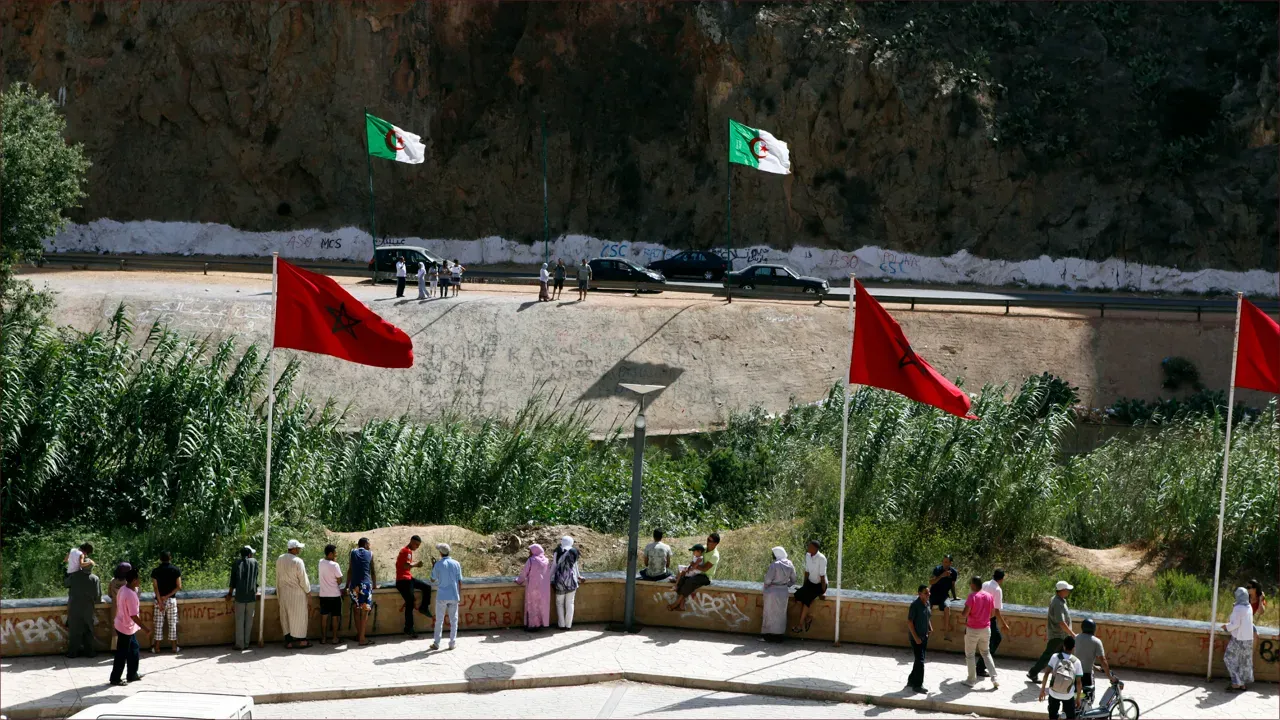


Recently, Moroccan authorities successfully facilitated the return of a new group of young Moroccan migrants through the Oujda-Maghniya border crossing. This initiative is part of ongoing repatriation efforts aimed at assisting those who found themselves in precarious situations related to migration. The latest batch included 33 individuals, with one woman among them, marking the second such repatriation this September.
According to the Moroccan Association for Assistance to Migrants in Difficult Situations, the individuals involved hail from various cities and regions across Morocco, including Taounate, Nador, Safi, Meknes, Oujda, as well as Fez, Berkane, Sale, Khemisset, Jerada, Zagora, Madagh, and Tissa. The arrival of these young people was accompanied by emotional scenes as many family members, particularly mothers, gathered at the border or in the mail square of Oujda to await their loved ones. This moment highlighted the long period of anticipation families experienced as they hoped for their children’s safe return.
This operation coincides with the Moroccan Association for Assistance to Migrants in Difficult Situations' ongoing commitment to support various cases involving Moroccan migrants, including those who are missing, detained, or deceased during migration journeys. The association has been actively receiving requests from families seeking information about their loved ones or assistance in understanding their legal status. This includes efforts to document identity and familial connections, particularly for deceased individuals, such as the late Yassine Dazzaz.
Additionally, the association continues to monitor the status of several Moroccans who are currently detained in Libya, as families persist in their requests for information regarding their loved ones or legal support for their humanitarian situations. This repatriation process aligns with the upcoming launch of the association's first edition of the “Support and Assistance” program, aimed at helping families of missing persons, prisoners, detainees, and the deceased during migration endeavors. The organization asserts that these efforts are part of its broader mission to accompany families and track cases related to these migration challenges.
As reported by taounate.net.