In less than two weeks since approximately 80,000 migrants crossed the Moroccan border into the Spanish enclave of Ceuta, calls have resurfaced on social media for another mass crossing. This alarming situation has prompted Moroccan authorities to implement measures aimed at preventing any potential influx of migrants. On Wednesday, August 12, Moroccan officials announced that they had taken "necessary measures" to thwart any new attempts to enter the Spanish enclave, following the spread of misleading information on social networks. These rumors falsely claimed that the border crossing between the Moroccan city of Fnideq and the Spanish enclave would "open" on August 15, encouraging people to head towards the border and attempt irregular crossings.
This latest surge in migration comes shortly after nearly 80,000 irregular migrants entered Ceuta from Morocco in just two days, marking a record high for such a brief period. According to the Spanish Ministry of the Interior, around 70,000 of these individuals were subsequently returned to Morocco.
The crisis has resulted in at least 80 fatalities according to Spanish sources, while Moroccan authorities report 11 deaths. Human rights organizations in Morocco estimate that the number of victims may be as high as 141.
Legal Actions Against Promoters of Irregular Migration
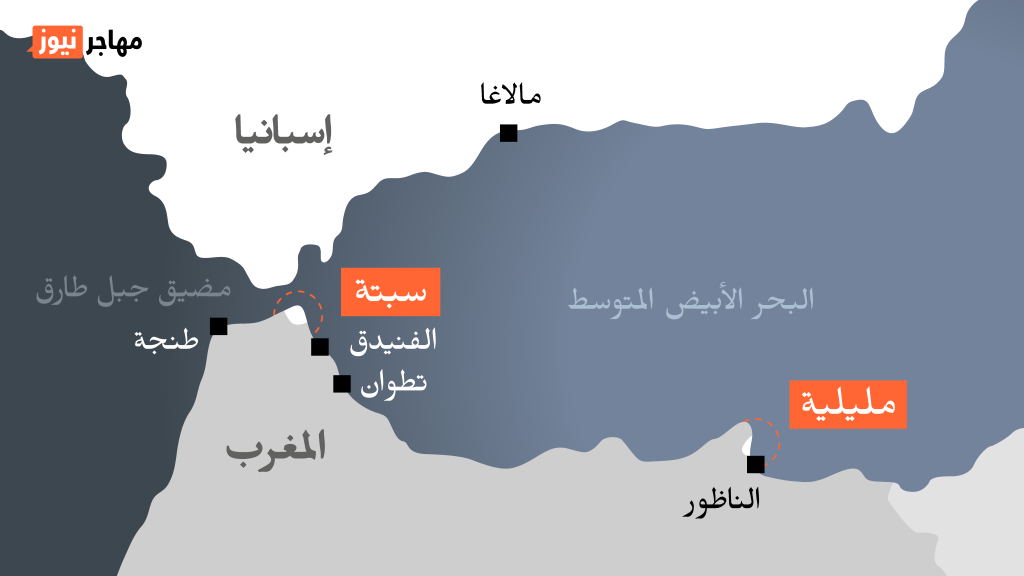
Rachid Elkhalqi, spokesperson for the Moroccan Ministry of the Interior, stated, "All necessary measures have been taken to counter any attempt at illegal crossings and to intercept anyone seeking to participate in such actions." The ministry clarified that it had observed the circulation of anonymous posts and messages on various social media platforms that incited people to organize illegal mass crossings into Ceuta and Melilla, the latter being another Spanish enclave located 400 kilometers to the east.
Some of these posts featured graphics falsely claiming to be official statements from the Spanish government, suggesting that "border crossings will be opened on August 15, from 10 AM to 11 PM." Comment sections revealed individuals expressing their intent to try again to cross on August 15, sharing personal contact information and links to WhatsApp groups. In a group that the Migrant News team joined, one young woman expressed hope, invoking divine support, while another predicted, "I will work for two years in Spain." Others circulated videos showing "the best swimming routes" to reach Ceuta while avoiding security patrols.
In response to these developments, authorities have confirmed that they will initiate legal proceedings against those promoting such calls, and several individuals suspected of involvement have been detained for investigation, according to Rachid Elkhalqi's statements reported by the Moroccan news agency (MAP).
On the Spanish side, the border has seen tightened security measures. According to Radio France Internationale (RFI), security equipment and reinforcements have been increased in the city of Fnideq and near the border crossing with Ceuta in response to threats of a new attempt to cross. This information has been corroborated by the Moroccan Association for Human Rights in Tetouan, as reported by the Moroccan news outlet Ya Biladi.
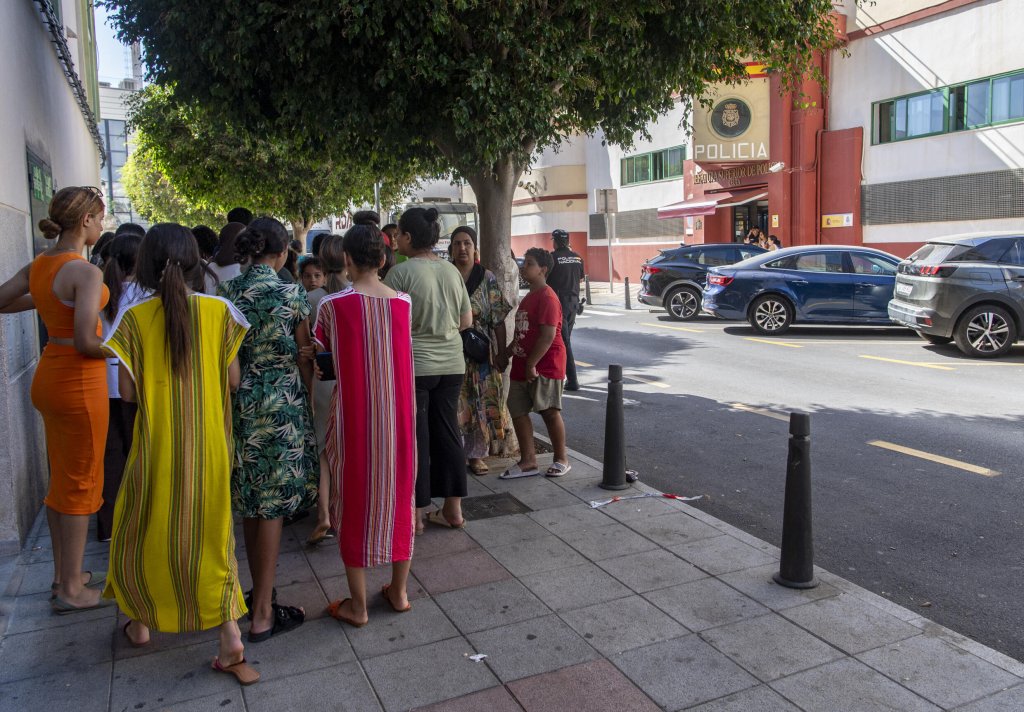
Despite the vast majority of Moroccans who entered Ceuta at the end of July being returned, between 8,000 and 11,000 undocumented migrants remain in Ceuta, according to the President of the Ceuta Government, Juan Jesus Vivas. On the "Trampolín" beach in Ceuta, hundreds of migrants have been living in difficult conditions for over a week while awaiting decisions regarding their fate, as the Migrant Reception Center (CETI) is completely saturated and unable to accommodate new arrivals.
As reported by infomigrants.net.