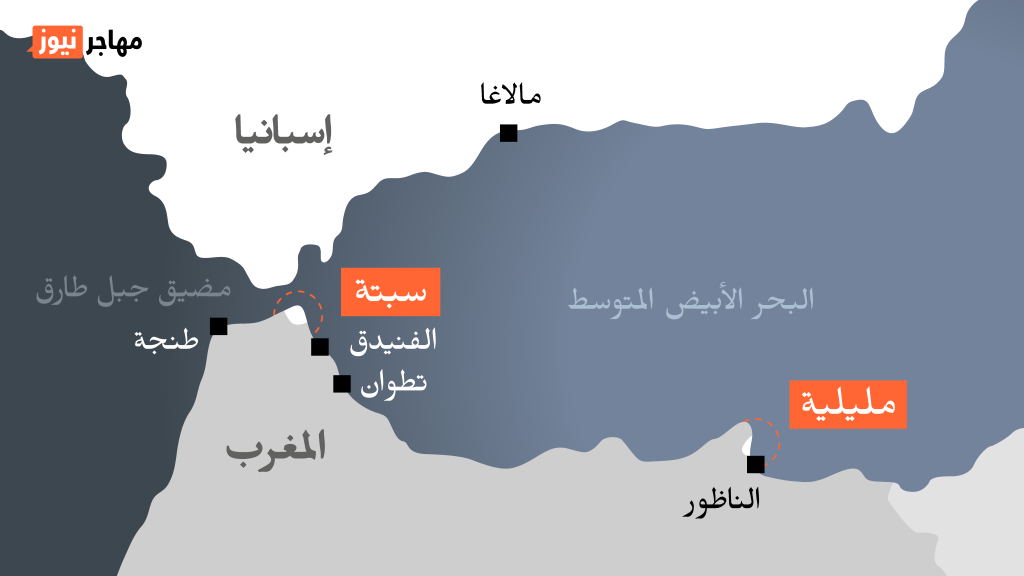
In response to recent calls circulating on social media for another mass attempt to cross the Moroccan border into the Spanish enclave of Ceuta, Moroccan authorities have swiftly enacted necessary measures to prevent any potential influx of migrants. Just days after approximately 80,000 migrants crossed into Ceuta in a record short span, the Moroccan government announced on Wednesday, August 12, 2021, the implementation of strategic actions aimed at curbing any new attempts at illegal crossings.
This surge in calls for a new mass crossing follows the unprecedented entry of nearly 80,000 undocumented migrants into Ceuta, with the majority being returned to Morocco, according to the Spanish Ministry of Interior. As authorities contend with misinformation circulating on social media, which falsely claims that the border crossing between the Moroccan town of Fnideq and Ceuta would be opened on August 15, they are determined to thwart any organized efforts for illegal passage.
This crisis has reportedly led to at least 80 fatalities according to Spanish sources, while Moroccan authorities report 11 deaths. However, local human rights organizations estimate the number of victims to be no less than 141.
Legal Measures Against Promoters of Illegal Migration
Rachid Khalqi, a spokesperson for the Moroccan Ministry of Interior, stated, "All necessary measures have been taken to address any attempts at unlawful crossing and to intercept anyone seeking to participate in such actions." The ministry has noted an alarming increase in the circulation of anonymous posts and messages on social media platforms encouraging collective illegal crossings toward Ceuta and Melilla, the latter being another Spanish enclave located 400 kilometers to the east.
These posts often include visual designs claiming to originate from the Spanish government, misleadingly announcing that border crossings would be open on August 15 from 10 AM to 11 PM. In various discussions in the comments section, individuals have expressed hope that they might succeed in crossing this time, sharing their contact information and forming groups on messaging platforms to coordinate. A young woman in one group stated, "May God be with us," while another predicted, "I will work for two years in Spain," as others shared videos suggesting the best swimming routes to reach Ceuta while avoiding patrols and security checks.
In light of these developments, authorities have confirmed that they will initiate legal proceedings against those promoting such calls, with several suspects already detained for investigation, as reported by the Moroccan news agency MAP. On the Spanish side, significant security reinforcements have been deployed at the border. According to Radio France Internationale (RFI), there has been an elevation in security measures in Fnideq and near the border with Ceuta, responding to the threats of a new migration wave, a fact corroborated by the Moroccan Association for Human Rights in Tetouan.
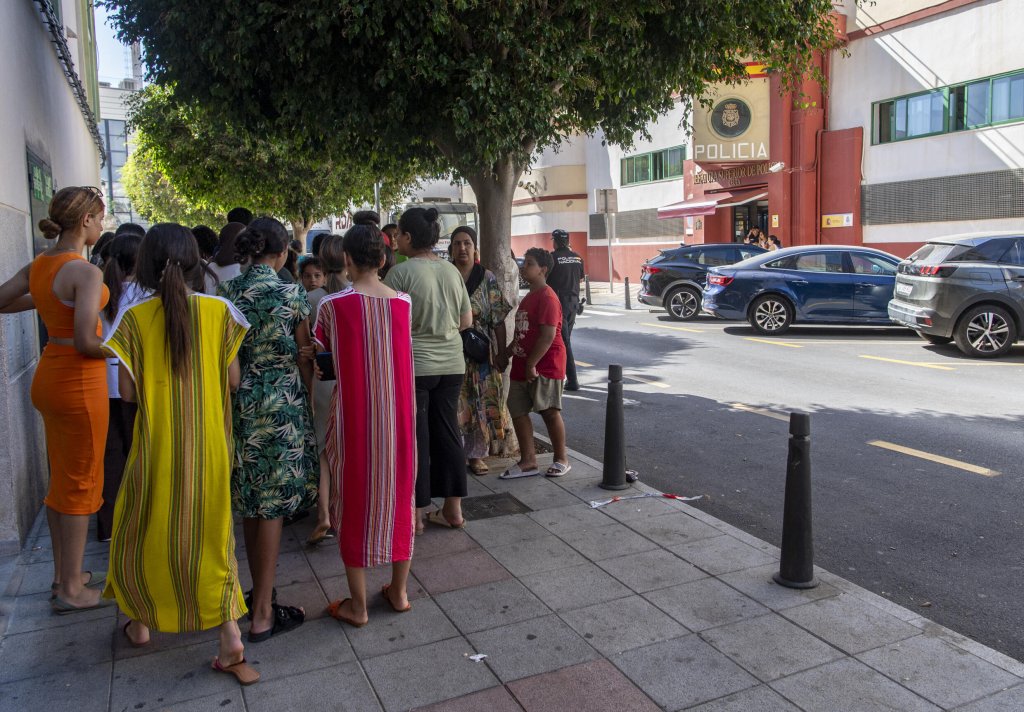
Despite the majority of the Moroccan migrants who entered Ceuta in late July being returned, estimates suggest that between 8,000 and 11,000 undocumented migrants remain in the enclave, as stated by Ceuta's president, Juan Jesús Vivas. On the "Trampoline" beach in Ceuta, hundreds of migrants have been living in dire conditions for over a week, anxiously awaiting decisions regarding their fate while the migrant accommodation center (CETI) is overwhelmed and unable to house new arrivals.
As reported by infomigrants.net.