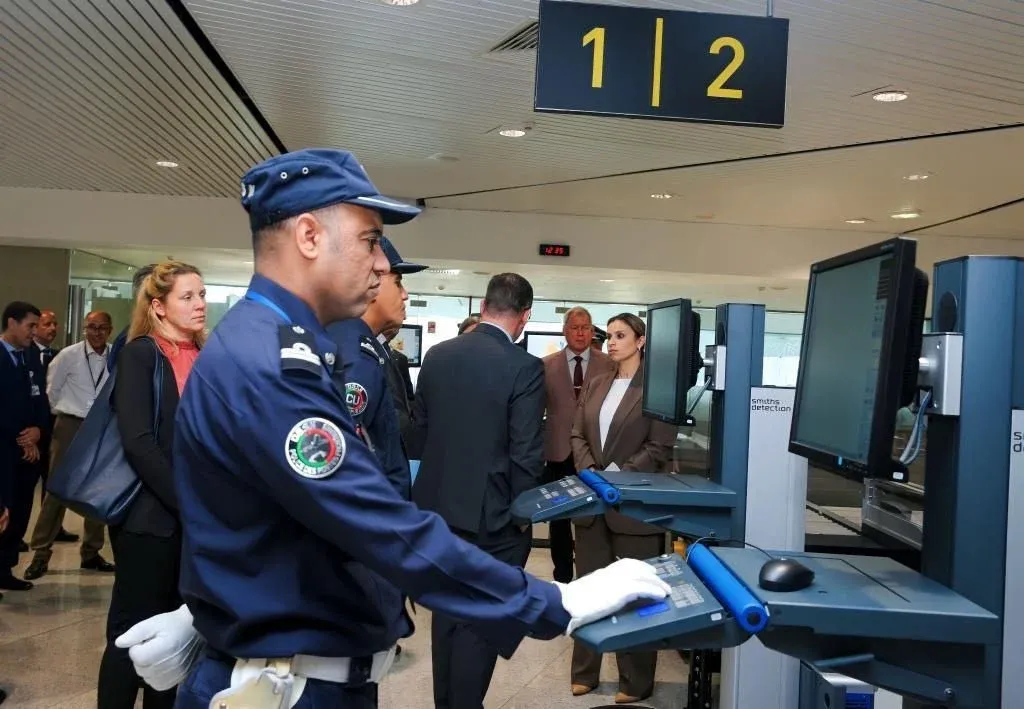

Increased Scrutiny for Spanish Travelers Entering Morocco
Recently, Moroccan authorities have intensified their scrutiny of Spanish citizens entering the kingdom through border crossings. Travelers are now required to present their return tickets and hotel reservations, as well as provide detailed explanations regarding the purpose of their visit and the duration of their stay. This shift comes after a period during which border crossing procedures were relatively lenient, allowing Spanish visitors easier access. Sources have indicated that this change has become evident in the past few days, with Spanish travelers now facing demands to substantiate their travel arrangements, a stark contrast to the previous, less stringent verification process.
The adjustment appears to involve the activation of existing requirements that the authorities had previously enforced with flexibility, rather than the introduction of entirely new documentation mandates for this group of travelers. While the reasons behind this more rigorous enforcement have not been explicitly stated, the theory of reciprocal treatment has emerged as a plausible explanation. This is particularly relevant given the reported harassment faced by Moroccan citizens upon entering Spain following the events in Ceuta.
According to testimonies gathered, the verification process has evolved beyond merely checking travel documents. Authorities are now also confirming accommodations, return dates, and the purposes of travel, thus enabling police officers to cross-reference the travelers' responses with the documentation provided regarding their visit. This heightened requirement for proof represents a significant change for visitors who were accustomed to entering Morocco without such detailed scrutiny of their travel arrangements. Now, travelers arriving for holidays must present evidence of their bookings and return plans, while inquiries regarding the reasons for their visits have become a more prominent part of the border crossing process, as noted by sources observing this transition.
The situation reflects a broader issue of mutual treatment of travelers, raising questions about the reciprocity between countries. The theory of equal treatment hinges on the similarities in demands for travelers to justify their visits and prove their accommodation conditions on both sides of the border. However, it remains unconfirmed whether the increased enforcement is the result of unified directives or a shift in monitoring practices at specific border points, as no security source has been able to verify this information for the publication.
In summary, while the tightening of checks has been substantiated by various sources, the official rationale remains unclear. What stands out is the Moroccan authorities' transition to a more thorough examination of the details surrounding Spanish visits to the kingdom.
As reported by assahifa.com.