
Embracing Dual Identities
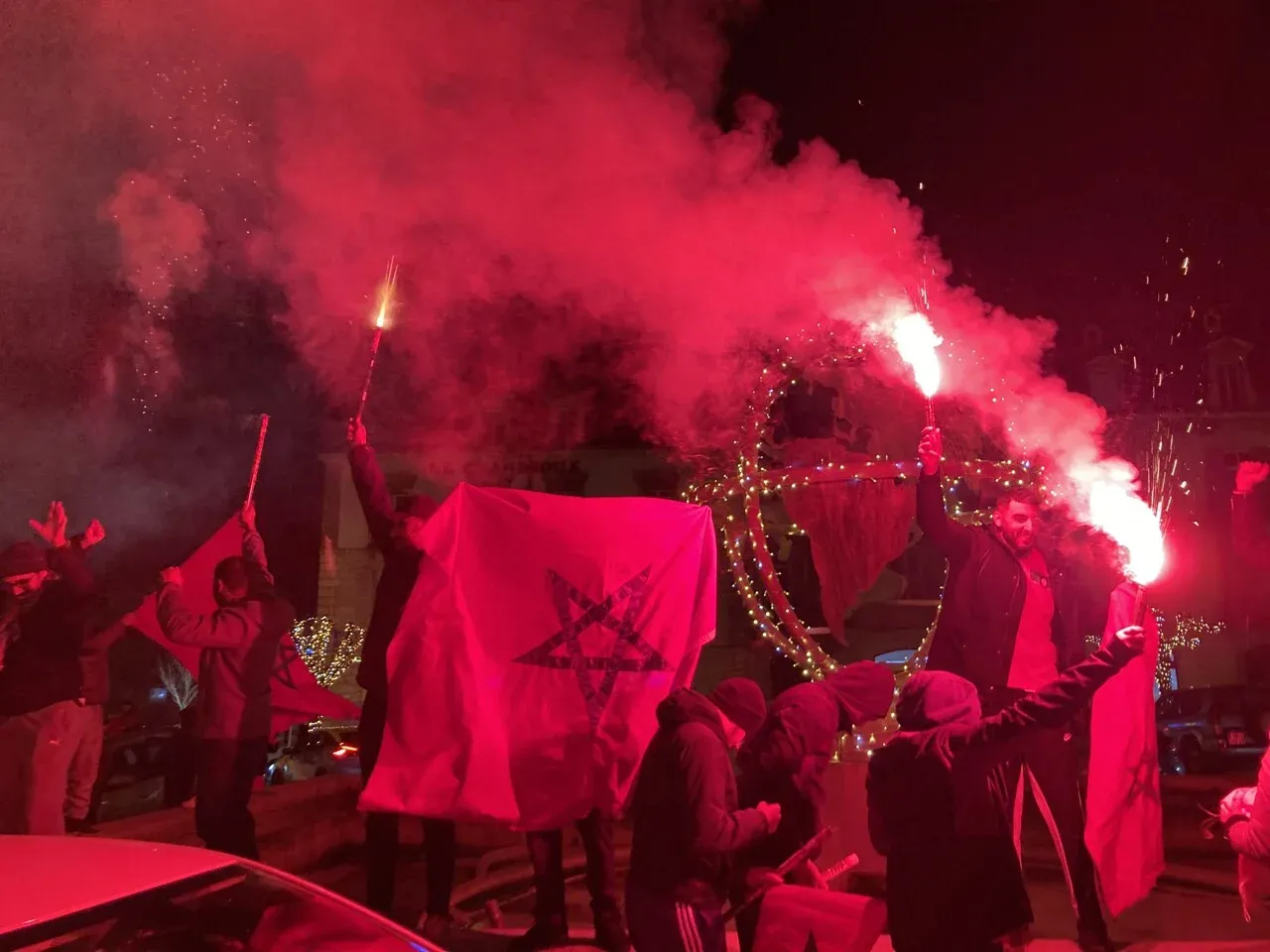
For the thousands of Moroccans residing in France, the impending quarter-final clash between Morocco and France at the 2026 FIFA World Cup transcends the realm of mere sporting event; it embodies a tapestry of emotions woven from their dual identities and cultural ties. Many within the Moroccan community find themselves caught in a bittersweet juxtaposition, balancing their deep-seated love for their homeland with their gratitude for the opportunities afforded by their country of residence. Jamal Boussif, a community activist of Moroccan descent, voices the sentiments shared by many: ‘We have dual nationality, and our country of residence has given us countless opportunities, whether in terms of employment or building our lives here. Our children were born in France, and our lives are deeply rooted in this country, yet our yearning for home and our connection to Morocco remain profoundly strong.’ This emotional connection is not just a personal sentiment; it is a cultural inheritance that has been seamlessly passed down to younger generations, who proudly wave the Moroccan flag and don the national team’s jersey, showcasing their heritage in the streets of France.
A Celebration of Culture and Sportsmanship
Living in Strasbourg, Boussif heads the Strasbourg Pluriel association, which was established in 2014 with the aim of promoting diversity and harmony among individuals of various backgrounds, faiths, and cultures. He emphasizes the unique bond that the city shares with the Moroccan national team, highlighting that several players, such as Samy El Mourabet and Gessime Yassine, hail from Strasbourg, adding an extra layer of significance to the match for the local Moroccan community. Boussif advocates that the years of coexistence within French society should manifest themselves on occasions such as this, where sportsmanship must reign supreme, irrespective of the match's outcome. Despite his fervent support for the Atlas Lions, he strongly encourages Moroccans in France to engage in celebrations with a sense of responsibility and respect. ‘I urge everyone to celebrate calmly and respectfully, abiding by the law and avoiding disorder. France has never hindered our ability to celebrate or express our love for our homeland, and it is our duty to respond with dignity and accountability,’ he asserts.
Fatine El Bouni, president of the Plaisir de Partage association, echoes similar sentiments, noting that the Morocco-France match is unlike any other for the Moroccan diaspora. ‘This match carries a unique flavor. Morocco is the country of the heart, while France is where we live. That is why I decided to organize the first dedicated fan zone,’ she explains. Choosing Épinay-sur-Seine for the event—a locale often overlooked while most activities are concentrated in central Paris—El Bouni reveals that the initiative has piqued considerable interest, with approximately 180 individuals already registered to attend. While her enthusiasm for Morocco’s success is palpable, El Bouni emphasizes the importance of maintaining peace during the festivities. ‘If Morocco wins, the joy will be immense. Above all, I hope the celebrations take place safely, that sportsmanship prevails, and that we show respect for our second country.’ On July 9, the Plaisir de Partage association, in collaboration with Aswak Fès by Fatine, will host a dedicated fan zone in Épinay-sur-Seine, featuring a giant screen for supporters to watch the match. This event promises to encapsulate a distinctly Moroccan atmosphere, complete with traditional cuisine, barbecues, entertainment, and Dakka Marrakchia performances, inviting members of the Moroccan community to come together in celebration of their national team and shared cultural heritage.
As reported by en.yabiladi.com.