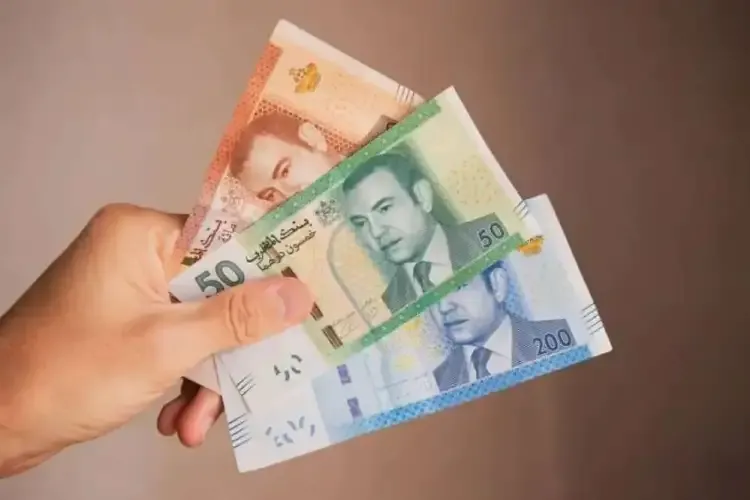

Moroccan Dirham Weakens Amid Economic Indicators
The Moroccan dirham has faced a notable depreciation of 1% against the U.S. dollar and a slight 0.2% against the euro during the week of September 10 to 16, 2026, according to the latest insights from Bank Al-Maghrib, Morocco's central monetary authority. This fluctuation highlights the ongoing challenges within the foreign exchange market, with no foreign-exchange auction operations reported during this period, emphasizing a cautious approach to currency management.
In the recently published weekly economic and monetary indicators bulletin, Bank Al-Maghrib reported that the official reserve assets amounted to approximately 500.2 billion Moroccan dirhams as of September 11, reflecting a decrease of 0.4% from the preceding week. However, this figure represents a significant year-on-year increase of 20.9%, indicating a robust long-term outlook despite short-term volatility.
The bank's average daily interventions in the money market were substantial, reaching around 150 billion dirhams. This included 54.6 billion dirhams allocated through seven-day advances, 48.5 billion dirhams via longer-term repurchase agreements, and 46.9 billion dirhams in secured lending. The interbank market also remained active, with daily trading volumes averaging approximately 4.7 billion dirhams, while the interbank rate stabilized at 2.25%.
Expectations for Future Monetary Policy
Looking ahead, institutional investors within Morocco anticipate that Bank Al-Maghrib will maintain its benchmark interest rate at 2.25% during its upcoming monetary policy meeting scheduled for September 22, 2026. A survey conducted by BMCE Capital Global Research indicated unanimous agreement among 100% of institutional investors for keeping the policy rate unchanged, as they believe it aligns well with the current economic landscape.
Furthermore, about 90% of the respondents to the survey dismissed the possibility of a rate hike, expecting the benchmark interest rate to remain steady at 2.25% through the end of 2026. This reflects a strong sentiment towards continued lending activity, with a majority predicting either stable growth or robust growth in lending throughout the year, showcasing confidence in credit expansion despite the prevailing interest rate environment.
As reported by see.news.