
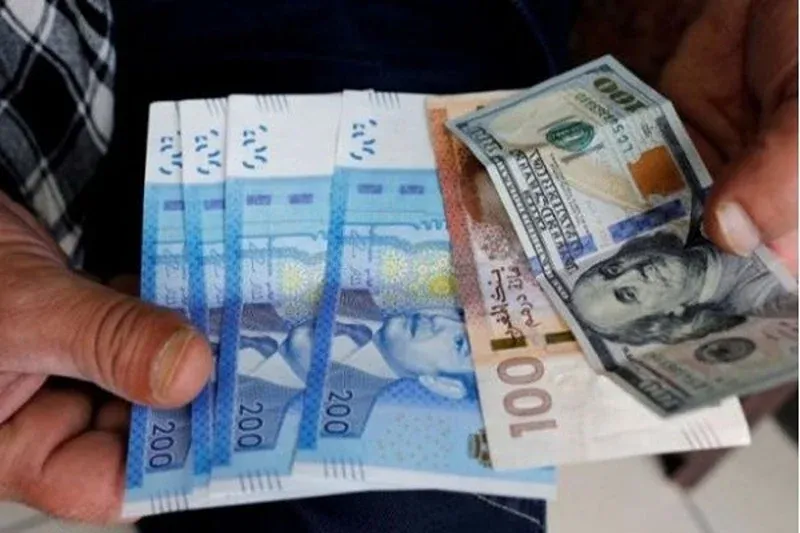

Moroccan Dirham's Recent Performance in Currency Markets
In the latest monthly economic review released by Bank Al-Maghrib on August 13, 2026, the Moroccan dirham has exhibited a mixed performance against major currencies. Notably, between June and July, the dirham experienced a modest appreciation of 0.1% against the euro. However, this positive trend was countered by a decline of 0.7% against the U.S. dollar. This fluctuation in the currency's value is particularly significant as it reflects broader market dynamics, including the euro's own depreciation of approximately 0.8% against the dollar during the same timeframe.
The increase in foreign-exchange activities is noteworthy, with trading volumes on Morocco's interbank market rising to MAD 32.7 billion in June, marking a 13.4% increase compared to the previous year. This uptick in activity indicates a growing demand for currency trading, which is essential for both domestic and international transactions. Bank customers engaged in spot currency purchases have also contributed to this surge, with figures skyrocketing to MAD 46.8 billion from MAD 35.3 billion in June 2025. Meanwhile, forward purchases saw a slight increase from MAD 16 billion to MAD 16.8 billion. On the flip side, spot sales remained relatively stable at MAD 36.5 billion year-on-year, while forward sales experienced a decrease from MAD 3.7 billion to MAD 3 billion.
Implications of Currency Fluctuations
The fluctuations in the Moroccan dirham against the euro and dollar could have significant implications for various sectors, including trade, tourism, and foreign investment. A stronger dirham against the euro may benefit Moroccan importers of European goods, making products more affordable. Conversely, the depreciation against the dollar could pose challenges for businesses reliant on imports priced in USD, potentially leading to increased costs for consumers. Understanding these currency trends is crucial for stakeholders in the Moroccan economy, as they navigate the complexities of international trade and financial markets.
Overall, the recent movements of the Moroccan dirham highlight the intricate relationships between local and global economies, illustrating the need for continuous monitoring and strategic financial planning.
As reported by en.hespress.com.

