
Analyzing the Results of the Moroccan Elections
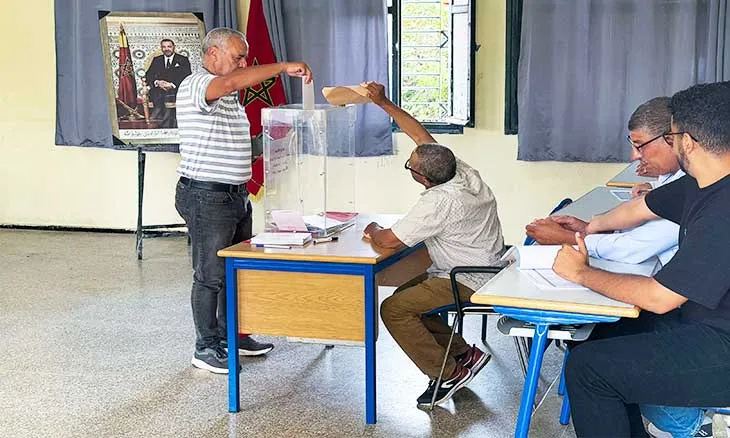
The recent Moroccan elections have sparked considerable anticipation, culminating in a delay of over two hours from the Ministry of Interior before the official results were disclosed. Notably, both the Justice and Development Party (PJD) and the Authenticity and Modernity Party (PAM) were quick to proclaim their leadership in the political landscape even before the official announcements were made. Ultimately, the results revealed PAM as the frontrunner with 97 seats, while PJD secured fourth place with 54 seats, significantly increasing their representation compared to the 2021 elections, where they held only 13 seats. Conversely, the leading party in the prior government experienced a decline of approximately 36 seats.
The interpretation of these election results varies widely, depending on one's perspective. If one examines the performance of each party independently, without considering the underlying political messages, it becomes evident that PJD emerged as the biggest beneficiary of these elections, successfully raising its seat count from 13 to 54. PAM also made gains, increasing its representation by ten seats, despite being part of the governmental coalition. On the other hand, the National Rally of Independents (RNI) suffered the most, losing 36 seats, followed by the Independence Party with a loss of 16 seats and the Socialist Union losing 8 seats. However, this analysis primarily reflects the parties' internal perceptions—whether they feel a sense of accomplishment or a need for self-critique in light of electoral setbacks. It does not necessarily account for the broader political implications and the resultant electoral map that will influence governmental formation.
Political Implications of Voter Behavior
Interestingly, the advances made by PJD are also viewed through a dual lens. While it can be argued that the party achieved a significant victory by quadrupling its seat count relative to the 2021 elections, it simultaneously fell short of its publicly stated goal of leading the election results. As of the time of writing, it remains unclear how PJD will react to the results that placed them in fourth position, especially after declaring their electoral triumph shortly after midnight.
From a comprehensive political perspective, the governmental coalition has remained intact despite losing 42 seats, suggesting that PJD's increase in seats does not substantially alter the political landscape. The punitive voting trend appeared to affect only two parties, namely RNI and the Independence Party, while PAM gained 10 additional seats. This implies that despite PJD's significant seat gains, the coalition retains its dominant position. If PAM persists in its stance, we may witness a change in leadership without a complete overhaul of the government structure, thereby strengthening the political opposition. Should PAM adjust its alliances by distancing itself from RNI, the dynamics could shift depending on the coalition's composition, especially if PJD is involved.
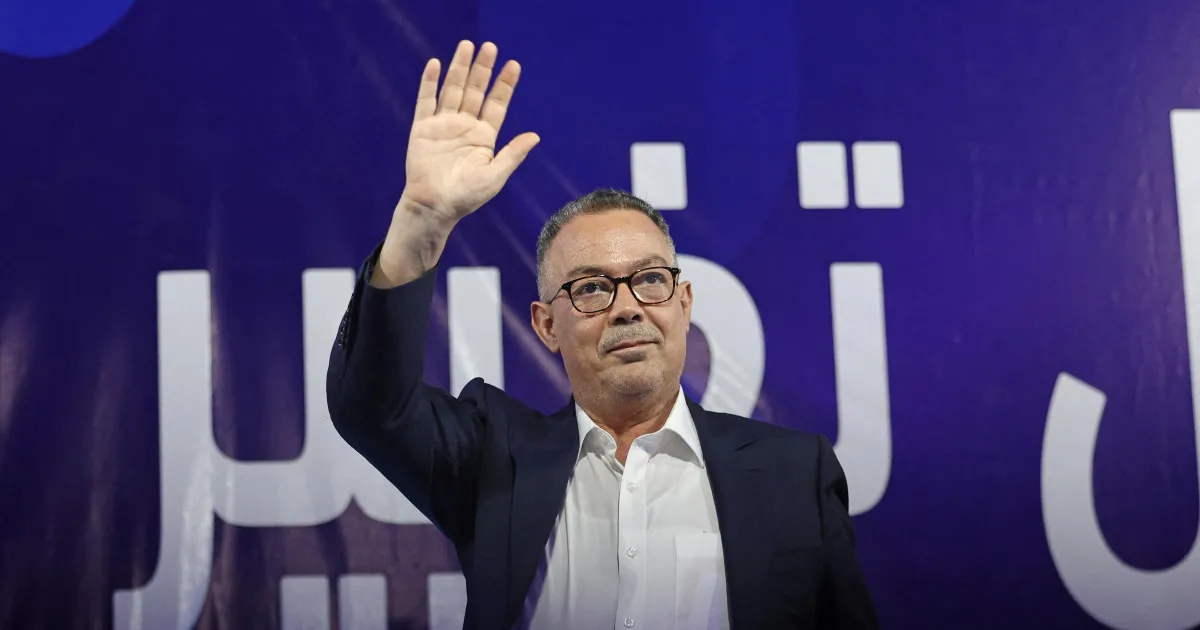
The data suggests that Moroccans did not opt to dismantle the government; rather, they sent a clear message to two of its components. PAM's ten-seat advantage signifies a desire to recalibrate the government's direction rather than to overturn it entirely. Consequently, PJD's campaign, which focused on criticizing government policies—particularly concerning conflicts of interest, inflation, and the shortcomings of the social state—helped the party increase its seat count, but it also bolstered the narrative of “correcting the course,” as echoed in the electoral rhetoric of Fawzi Lekjaa. This narrative undermined the “continuity” argument put forth by RNI.
In summary, the results of the Moroccan elections reflect a unique political landscape characterized by the cyclical nature of party fortunes. While PJD has risen and fallen within the political arena, its recent resurgence does not equate to a seismic shift in the overall political scene. The electoral outcomes indicate a nuanced relationship between the electorate and their representatives, where punitive measures are employed selectively, and voter behavior is not solely about displacing a government but can also represent a call for adjustment and reform.
As reported by alquds.co.uk.