Moroccan Voters Head to the Polls Amidst Youth Discontent
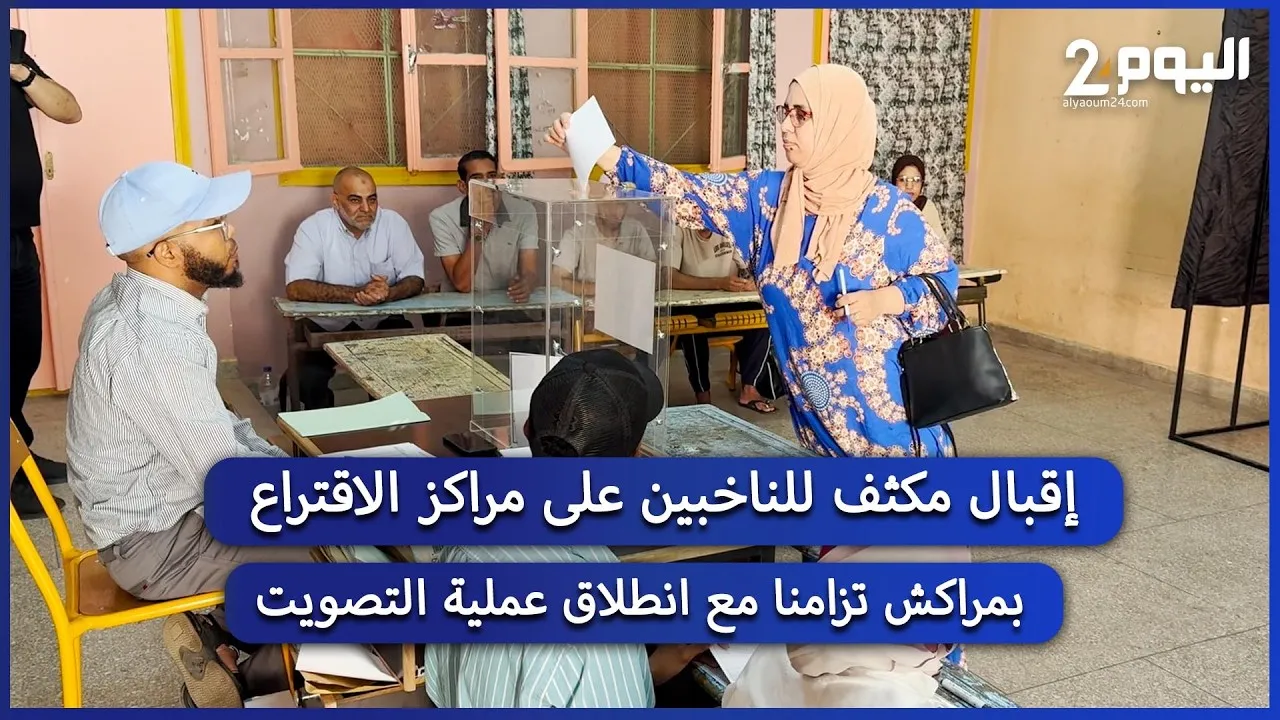
On September 23, 2026, Moroccan citizens cast their votes in a crucial legislative election, which reflects the growing frustrations of the youth over issues such as high unemployment and inadequate public services. The political landscape has been shaped by a series of events, including deadly protests led by young activists nearly a year prior and a tragic attempt by migrants to breach the northern border into Spanish territory, resulting in numerous fatalities. With nearly 16 million registered voters eligible to participate, polling stations across Morocco opened at 8 a.m. and will close at 7 p.m. local time, providing ample time for voters to engage in the democratic process.
This election marks a significant moment in Moroccan politics, as it will determine the next prime minister and the composition of the government that must coexist with a monarchy that wields considerable influence over national matters. The anticipated results are expected to be revealed on Thursday, with the new government poised to manage substantial investments as Morocco gears up to co-host the 2030 FIFA World Cup. This has led some to refer to the upcoming administration as the “World Cup government.” However, with the immense financial responsibilities also come urgent social challenges, including the pressing needs for jobs, improved wages, and manageable living costs.
Youth Participation and Political Apathy
For many of Morocco’s young voters, the election symbolizes a test of faith in the political system. With many feeling that their voices may not translate into tangible improvements in their daily lives, political participation has seen a decline. While some youths have taken to the streets to voice their discontent, others are contemplating emigration or opting to abstain from voting altogether. Othmane Mouden, a businessman from Casablanca, emphasized the importance of elections as a legitimate means for citizens to express their opinions and effect change, stating, “Protesting like the Gen Z youth will not bring any change. You can only claim your rights through the polls.”
The electoral competition features an extensive slate of 7,288 candidates from 27 different political parties, with no single party anticipated to secure an outright majority. Consequently, coalition-building will be essential for governance. According to the Moroccan Constitution, the king is required to appoint the head of government from the party that secures the most seats in the legislative assembly. Among the potential candidates for prime minister are Faouzi Lakjaa, the president of Morocco's soccer federation, and Fatima-Zahra Mansouri, the mayor of Marrakech, who could make history as the nation’s first female prime minister.
Despite the significance of this electoral process, there are factions within Morocco that have called for a boycott, arguing that the elections do not meet fundamental democratic standards. This sentiment has been echoed by certain leftist and Islamist groups, reflecting a broader skepticism about the electoral process. By midday, voter turnout was reported to be just over 11%, a slight decline from the 12% recorded during the previous legislative elections in 2021, indicating a growing disenchantment with the political system, particularly among younger demographics.
As citizens in Casablanca and Rabat lined up to cast their votes, the atmosphere in polling stations was mixed. While some expressed hope for change, others remained indifferent, viewing the elections as unlikely to produce meaningful results. Jamal Aamar, a retired banker, highlighted the importance of participation, stating, “If you boycott, you will leave others an empty seat.” The right to vote is also extended to Moroccans living abroad, though logistical challenges persist, as they must either return to Morocco to vote or delegate their voting rights to someone eligible.
The election's timing coincides with Morocco's recent successes in international soccer, which may influence public sentiment and voter turnout. As articulated by 24-year-old caterer Bader Eabram, the nation’s sporting achievements have instilled a sense of pride and optimism among voters: “We’re all really eager to host the World Cup. It’s a great country. We can do anything.”
As reported by seattlepi.com.