
The Political Landscape Ahead of Morocco's Legislative Elections
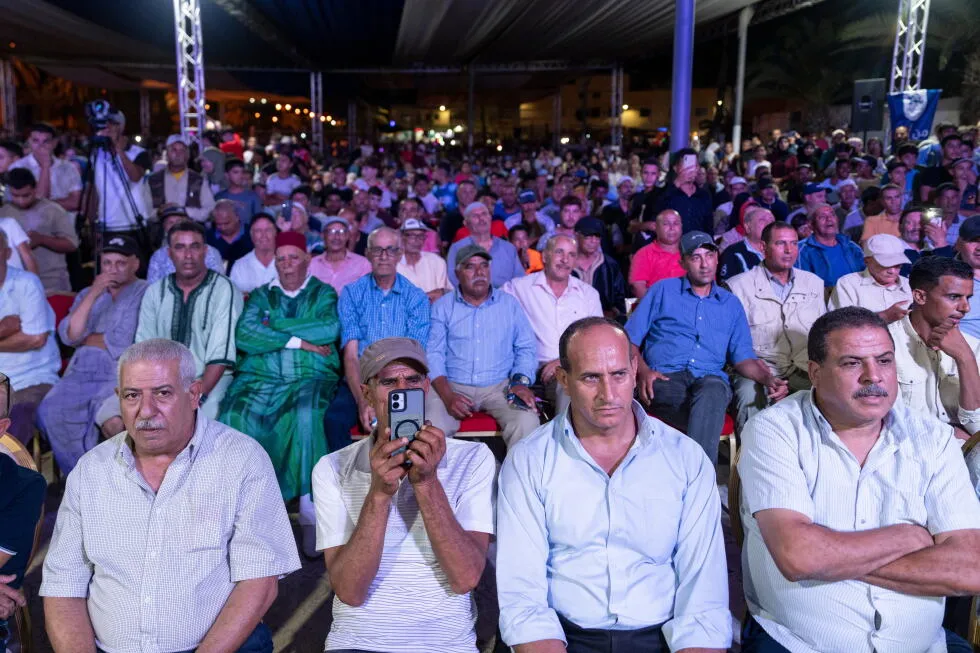
As Morocco gears up for its legislative elections, the atmosphere is charged with anticipation and underlying tension. On September 20, 2026, citizens will head to the polls to select representatives for the 395-seat House of Representatives. This election is particularly significant, as it comes amidst rising discontent among the youth, who face high unemployment rates despite a seemingly flourishing economy. Many are advocating for improved public services, including education, healthcare, and housing. With approximately 16 million registered voters expected to participate, the voting centers will be operational from 8 a.m. to 7 p.m. local time, offering ample opportunity for citizens to make their voices heard.
Challenges and Expectations for the New Government
The outcomes of these elections will not only determine the next prime minister but also shape the future government’s approach to pressing issues that affect daily life in Morocco. The newly elected administration will be tasked with overseeing significant investments, particularly as Morocco prepares to co-host the 2030 FIFA World Cup. This development has led some to dub the incoming government as the “World Cup government,” highlighting the expectations for economic growth and infrastructural development. However, alongside ambitious projects, there is considerable pressure to address the everyday concerns of citizens, such as job creation, wage increases, and managing the rising cost of living.
The political environment is further complicated by the reality that many young Moroccans express skepticism regarding the effectiveness of political participation in enacting meaningful change. A notable number of these individuals have taken to the streets in protest or considered emigration as a form of escape from their grievances. The Moroccan Constitution stipulates that the king appoints the head of government from the party that secures the most seats in the elections. Given the expectation that no single party will achieve an outright majority, negotiations will be crucial for forming a governing coalition.
Voters will have a diverse array of candidates to choose from, with 7,288 individuals representing 27 political parties. However, this election marks the first since a wave of youth-led protests occurred nearly a year ago, as well as a significant migration attempt by individuals seeking to cross into Spain from Morocco. This context has led some political factions, including the far-left Democratic Path, to call for a boycott, asserting that the elections do not meet essential democratic standards. Similarly, the Islamist association Al-Adl Wal Ihsane has voiced concerns regarding the electoral process.
Interestingly, while the Moroccan Constitution grants voting rights to citizens living abroad, logistical barriers remain. There is no provision for mail-in ballots or voting at consulates, forcing expatriates to return to Morocco or delegate their voting rights to trusted family members or friends. This has contributed to a 9.7% decline in registered voters since the last election, despite an increase in the population, suggesting that turnout may be lower than anticipated.
As reported by apnews.com.