
Saadeddine Al Othmani's Bold Claims on Ceuta and Melilla
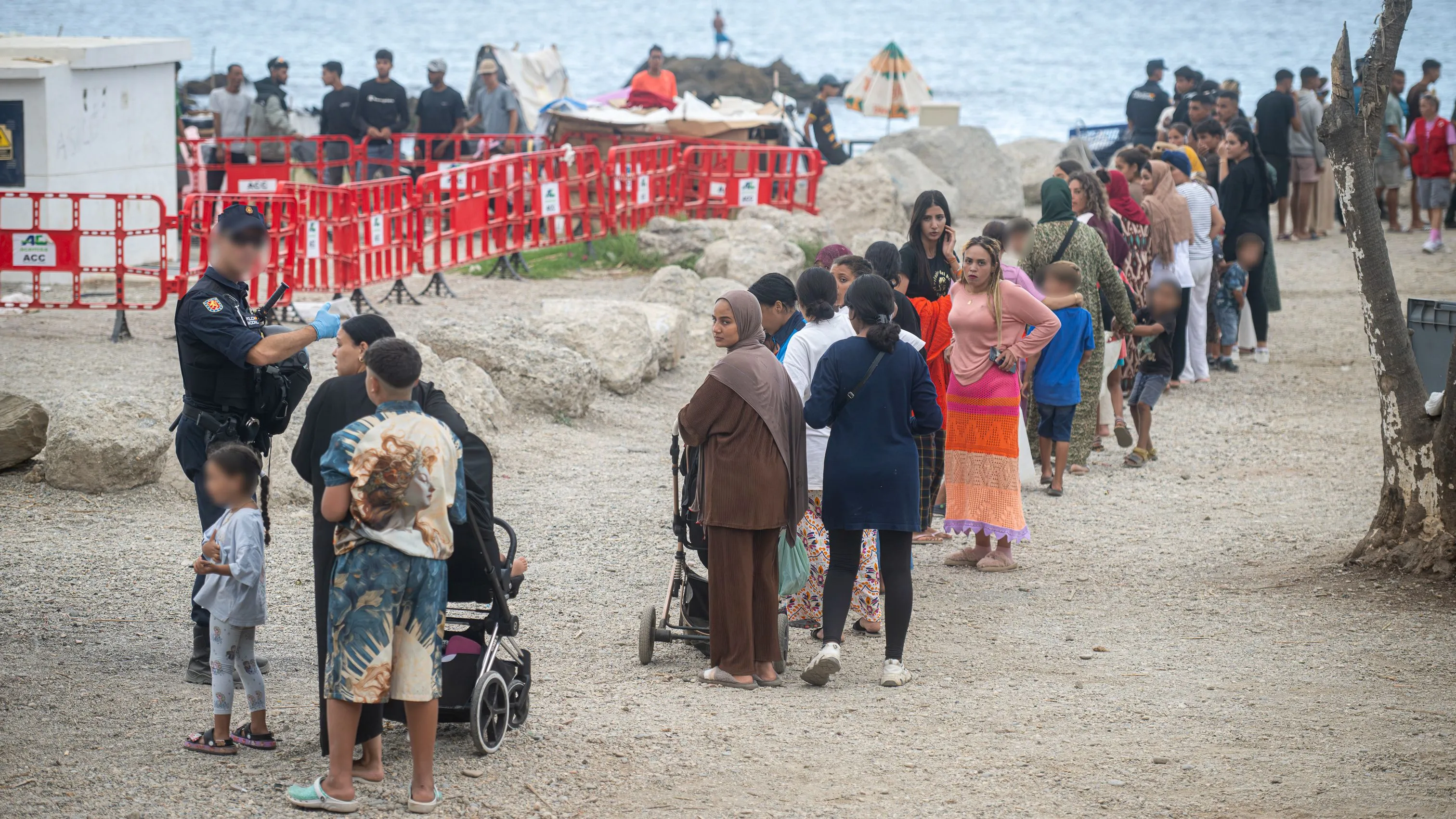
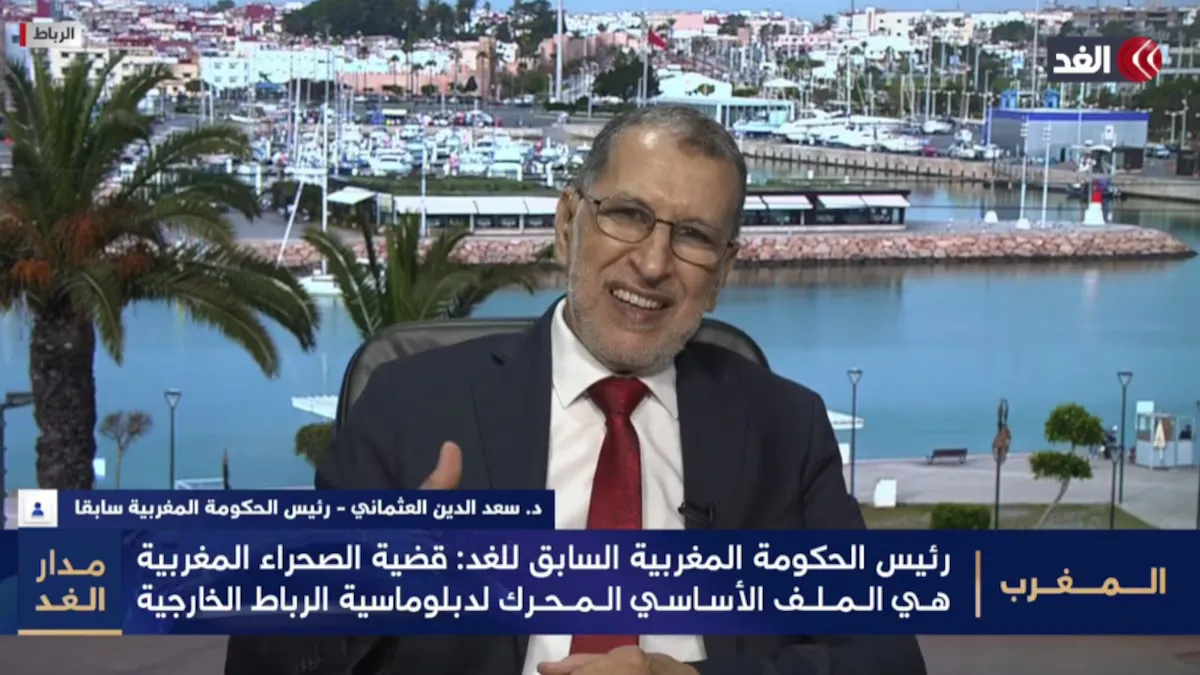
In a recent interview on the program 'Madar Al-Ghad' aired by Al Ghad TV, Saadeddine Al Othmani, the former Prime Minister of Morocco who served from 2017 to 2021, reiterated his assertion that the cities of Ceuta and Melilla are Moroccan territories, currently "occupied" by Spain. His comments come at a time when the ongoing migration crisis in Ceuta has intensified the focus on the border relations between Morocco and Spain. This situation has brought to the forefront diplomatic tensions reminiscent of six years ago when his previous statements regarding these cities led to significant friction between Madrid and Rabat.
“This is not a matter of opinion; they are indeed occupied,” Al Othmani firmly stated when asked if he still held the same views he expressed in 2020. He emphasized that Ceuta and Melilla are Moroccan cities and insisted that this stance reflects a national consensus, rather than a personal belief. "This is also the position of the Moroccan state," he added, underscoring the official nature of his claims.
The former Prime Minister's remarks were made against the backdrop of a significant increase in migration to Ceuta, a phenomenon that has once again placed the region's geopolitical dynamics under scrutiny. Al Othmani's previous declarations in December 2020, during his time in office, had labeled Ceuta and Melilla as “Moroccan just like Western Sahara,” which had provoked an immediate diplomatic response from Spain, including the summoning of the Moroccan ambassador for explanations.
Although that diplomatic incident did not lead to a complete breakdown of relations, Al Othmani clarified that addressing the issue of sovereignty over Ceuta and Melilla was not a priority at that time, as Morocco was focused on resolving the conflict in Western Sahara. Fast forward nearly six years, he has revived his claims with a notably assertive tone, stating that not only are the cities Moroccan, but they are also effectively "occupied" by Spain.
Migration Crisis and Economic Challenges in Morocco
In discussing the current migration crisis, Al Othmani characterized the influx to Ceuta as a multifaceted issue, identifying both humanitarian and economic dimensions, with a particular emphasis on the plight of Moroccan youth. He highlighted the concerns of Generation Z, which faces unprecedented unemployment rates, currently estimated at 13%. This economic distress, according to Al Othmani, is compounded by a lack of equitable distribution of wealth, which has led to widespread dissatisfaction among the younger population in Morocco.
While acknowledging Morocco's economic growth and developmental strides, Al Othmani lamented that prosperity has not been shared fairly across different segments of society. “We have not yet achieved a just level of wealth distribution that allows everyone to benefit from economic results,” he asserted. This socio-economic backdrop has contributed to the collective exodus of people, often referred to by Moroccans as “the collective escape.”
Moreover, Al Othmani argued that the responsibilities for border security and management should not rest solely on Morocco. He criticized Spain for expecting Morocco to act as Europe's border guard without adequate compensation or collaboration. “Morocco rejects being the gendarme of Europe and taking on the costs of border surveillance for free,” he stated, suggesting that Spain's unilateral decisions could incite further migratory movements, with Morocco left to bear the consequences.
In light of these discussions, Al Othmani pointed out a recent ruling by the Spanish Supreme Court, which has complicated the immediate return of individuals crossing into Ceuta and Melilla. He maintained that such decisions cannot be made unilaterally, emphasizing the need for negotiation and dialogue between the two nations regarding border management. The shared border necessitates cooperative decision-making, he argued, highlighting the intertwined fates of both countries in addressing migration issues.
As reported by infobae.com.