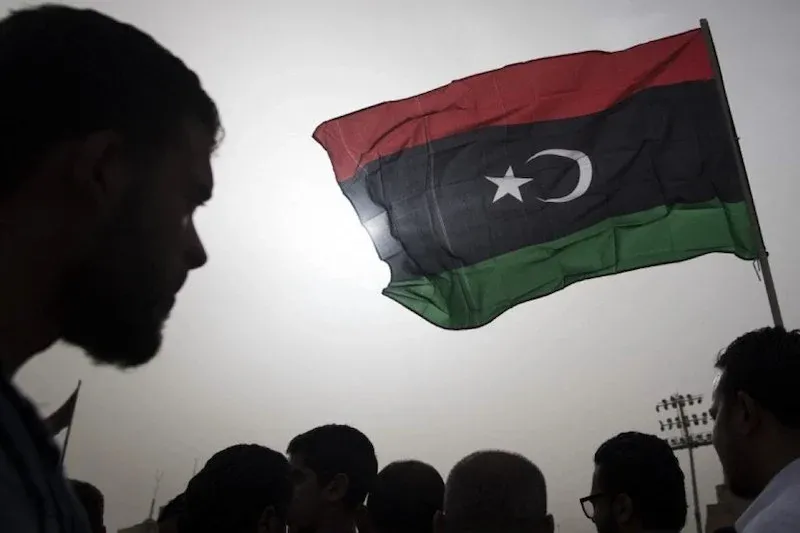

Growing Economic Challenges Prompt Moroccans to Return from Libya
A significant number of Moroccans residing in Libya have chosen to return to their homeland due to the increasingly dire economic and living conditions prevalent in the North African nation. Sources familiar with the Moroccan community in Libya have indicated that rising living costs, diminished purchasing power, and persistent inflation have made it increasingly untenable for Moroccan expatriates to sustain their livelihoods. The situation has been described as one of profound hardship, with community sources asserting that the level of frustration and despair among those living in Libya has surpassed what can be reasonably tolerated.
The financial struggles faced by many Moroccans in Libya are compounded by the economic downturn, which has led to a marked decline in purchasing power and the introduction of stringent measures by Libyan authorities, including significant fines for those who fail to regularize their legal status in a timely manner. Consequently, the combination of financial strain and bureaucratic obstacles has driven more individuals to seek better living conditions back in Morocco.
Indicators of Libya's broader economic malaise are evident, with reports of the steep depreciation of the Libyan dinar, extensive queues at fuel stations, and a severe electricity crisis. In some regions, power outages can last for up to 19 hours a day, severely disrupting both business operations and daily life. The departure of Moroccan workers has impacted a diverse array of sectors, although a smaller subset remains, particularly those who have familial ties to Libyan nationals, making their departure more complex.
Inflation and Unemployment: The Dual Crises Facing Libya
Recent statistics from the Central Bank of Libya reveal that the inflation rate has surged to approximately 8.6% in the first quarter of this year, with the Libyan dinar trading at over six dinars to the U.S. dollar. Furthermore, the balance of goods and services has deteriorated dramatically, plunging by about 13.3 billion Libyan dinars in 2025, a stark contrast to a surplus of 21.4 billion dinars just two years prior.
Economist Attia Al-Fitouri has commented on the grave state of Libya's economy, highlighting the dual crises of elevated unemployment and persistent inflation, exacerbated by the lack of coherent economic policies aimed at addressing these issues. Al-Fitouri estimates that unemployment has reached a staggering 40%, with additional concerns regarding substantial underemployment, particularly within public-sector institutions. He argues that the fiscal and monetary policies currently in place have only served to deepen the economic crisis, as government spending continues without a unified, approved budget and monetary measures fail to alleviate the pressure on the local currency or mitigate inflation.
As reported by en.hespress.com.