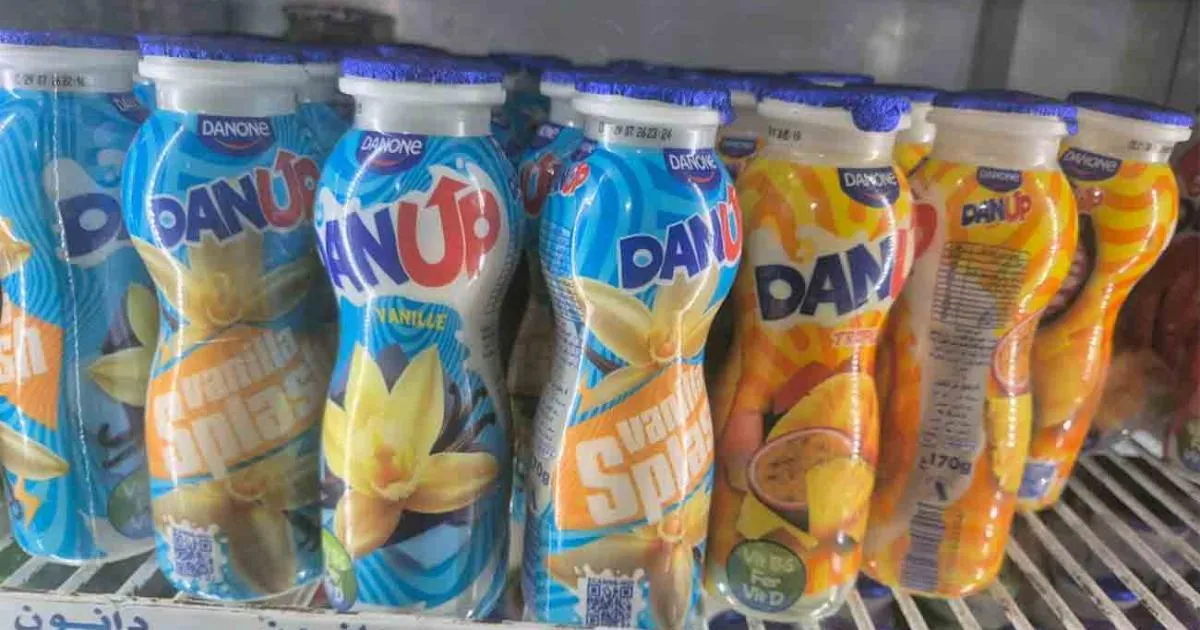

CASABLANCA — Moroccan families are currently experiencing significant financial pressure following the implementation of a new pricing structure that has stealthily increased milk prices nationwide. This price surge comes at a time when the economic environment is already strained, characterized by successive inflationary hikes on essential consumer goods that have put a strain on household budgets.
The revised pricing grid is placing enormous pressure on local grocery stores (épiceries) and everyday consumers alike. Small businesses are finding themselves compelled to adjust shelf prices immediately due to the new wholesale rates, which in turn leads to customer dissatisfaction and frustration directed at these local traders.
Tensions Rise at the Grocery Counter
Within the community, small traders are confronting increasingly sensitive responses from consumers. After enduring months of rising costs for basic necessities, Moroccan families are reacting sharply to even the slightest price changes, viewing them as a breaking point. The immediate trigger for this wave of discontent is linked to Centrale Laitière (Centrale Danone), the foremost dairy producer in the country. The company's decision to raise prices on July 7, coinciding with the football World Cup, has reverberated through a market where milk is regarded as an essential dietary staple. Compounding the issue, other significant dairy cooperatives, such as Copag, which produces the Jaouda brand, have historically or concurrently adjusted their prices to align with Centrale Laitière, leaving consumers with limited choices.
Social Media Sparks Boycott Movements
The sudden financial burden has swiftly transformed into a wave of digital activism. Across prominent social media platforms—including X (formerly Twitter), Facebook, and TikTok—thousands of Moroccan consumers have initiated vigorous campaigns advocating for a widespread boycott of Centrale Laitière products. Trending hashtags such as #خليه_يريب (Let it spoil) and #مقاطعون (We are boycotting) have gained notable traction.
One widely circulated post on Facebook proclaimed, "If the price goes up, leave it on the shelf. Let their milk turn sour," echoing slogans from Morocco's previous grassroots boycott movement in 2018 against corporate price manipulation. A Facebook group named “meknassiyat” voiced similar sentiments, stating, “Centrale Danone did not raise prices today by accident, nor did it choose this timing arbitrarily. This is not the first, second, or third time the company has exploited public distraction during major events to implement price increases.”
This tactic of capitalizing on public distraction has become increasingly apparent, as the company times its price hikes for moments when public attention is diverted. In response, a comprehensive boycott campaign aiming to challenge Centrale Danone's pricing strategy is set to unfold throughout Morocco, starting Thursday, July 9. For many digital activists, the boycott signifies a critical strategy to compel corporate leadership to reconsider their pricing structures. Consumers are sharing images of stocked dairy aisles in supermarkets, encouraging others to opt for traditional alternatives or to purchase milk exclusively from local independent farmers.
While consumer advocacy groups have vehemently criticized dairy corporations for what they perceive to be coordinated price hikes, corporate representatives cite increasing production costs as the primary rationale for the retail price adjustments. The dairy sector often mentions rising global animal feed prices, severe droughts impacting cattle yields, and escalating logistics costs as significant factors driving retail price increases.
The government, for its part, has historically adopted a hands-off approach, reiterating that national competition laws allow private enterprises the freedom to liberalize and set their own prices as long as these changes are transparently communicated. However, as dairy consumption in Morocco already ranks among the lowest globally, market analysts caution that raising retail prices beyond the reach of average consumers could severely undermine long-term sales volumes.
As reported by middle-east-online.com.