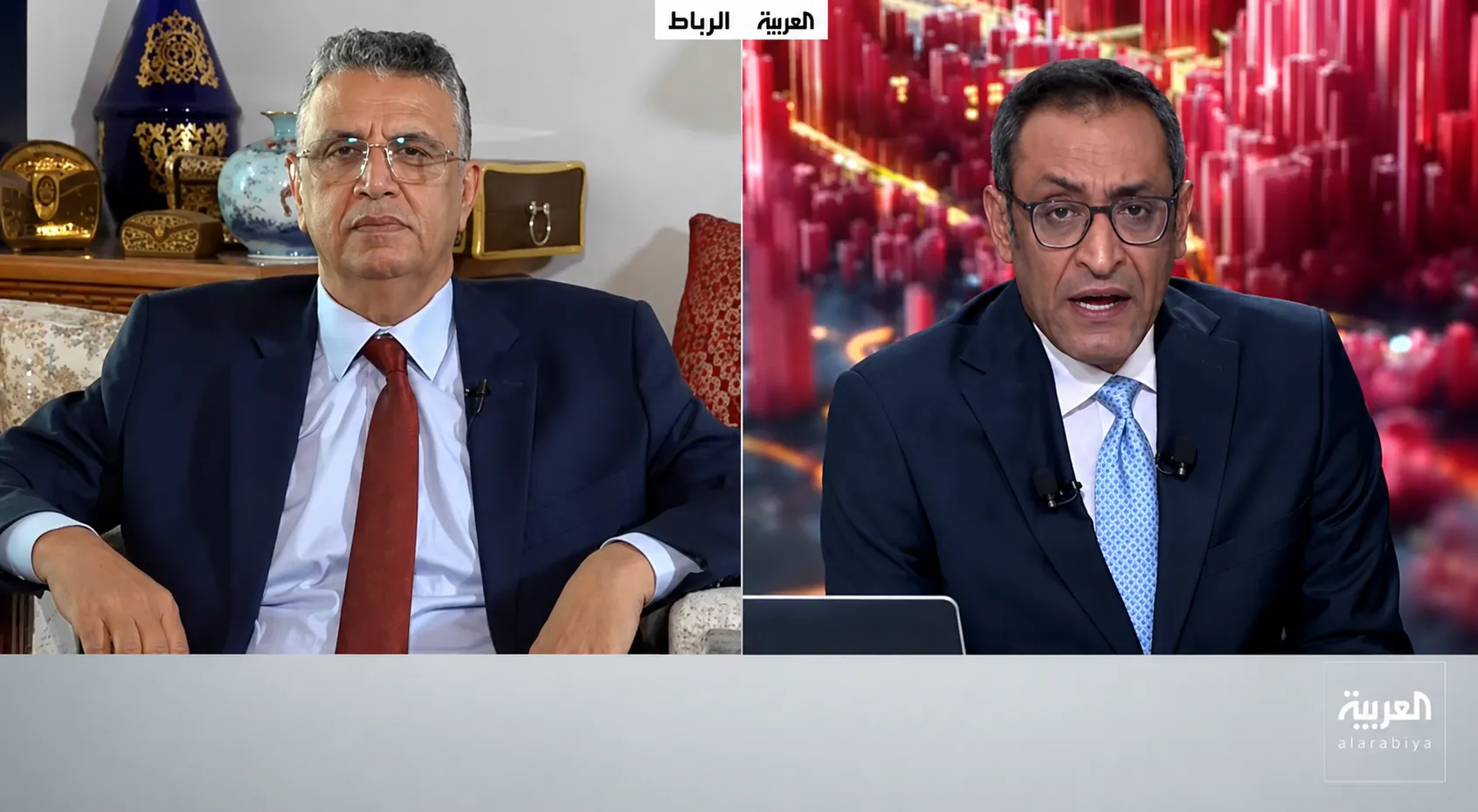

The Moroccan Justice Minister, Abdellatif Ouahbi, has outlined the country’s response to the ongoing border crisis at Ceuta, specifically addressing the conditions for the repatriation of the bodies of migrants who tragically lost their lives during the mass crossing on July 30. In an interview with Saudi Arabian channel Al-Arabiya on August 22, Ouahbi stated that the entry of these remains into Moroccan territory is contingent upon Spain providing the requisite medical records and an accurate count of the deceased.
Minister Ouahbi firmly rejected the possibility of allowing unidentified bodies into Morocco, emphasizing that the kingdom cannot accept remains without any pertinent information regarding the individuals. He warned that, without these essential details, Moroccan authorities would have no choice but to deny their entry. Furthermore, he criticized Madrid for insisting on the transfer of deceased migrants while neglecting to facilitate the return of unaccompanied minors, despite the European Union's approval for their repatriation.
Ouahbi pointed out the selective nature of Spain's stance, deeming it unsustainable to combat irregular immigration when the neighboring country selectively retains migrants. He urged Madrid to clarify its policy and to collaborate with Rabat in seeking a comprehensive and lasting solution to the ongoing migration crisis. Additionally, he absolved unaccompanied minors who left in response to online promotions of a supposed European paradise from any legal responsibility, framing this leniency as a consequence of their exposure to such campaigns.
The Moroccan government has chosen a measured approach to this situation, firmly believing that a security-centric strategy is not a sustainable solution. Ouahbi provided the context that all recorded fatalities occurred within the Spanish-administered city. He noted that Moroccan forces exercised restraint during the influx towards the enclave, avoiding violent confrontations with migrants. According to his account, some Moroccans, influenced by online emigration appeals, justified their attempts to cross by claiming that Ceuta is Moroccan territory, and many swam to the city after Moroccan authorities had closed the land border.
Official Spanish data released in early August indicated that approximately 60,000 individuals entered Ceuta on July 30, with nearly 53,300 having returned to Morocco by that time. However, several thousand entrants remained unreturned, and anti-terrorism units from both nations subsequently apprehended two men linked to the Islamic State, one within the enclave and the other on Moroccan soil, as reported by the Madrid press.
As reported by barlamane.com.