
Moroccan Authorities Take Action Against Migrant Crossing Networks
The Moroccan judicial system has initiated legal proceedings against 52 individuals in connection with the ongoing migrant crisis that has seen thousands of Moroccans unlawfully cross into the Spanish enclaves of Ceuta and Melilla. This critical development, reported by the Moroccan Association for Human Rights (AMDH), highlights the severe implications of irregular migration and the measures being taken by authorities to address this complex issue.
According to a statement from the AMDH's Nador branch, a total of 11 young individuals have been brought before the Criminal Chamber of the Nador Court of Appeal, while an additional 41, including two minors, have been presented to the First Instance Court in Nador. Currently, all 52 individuals are being held in preventive detention, with some facing charges of a criminal nature.
The AMDH has expressed deep concern regarding these judicial actions, emphasizing the troubling tendency to adopt a primarily security-focused and repressive approach to the migration phenomenon, rather than addressing the underlying structural causes that compel young people and minors to risk their lives. The organization has also called for the protection of rights and guarantees for a fair trial, particularly in the context of ongoing lawyer strikes in the country.
Death Toll and Causes Behind the Migrant Crisis
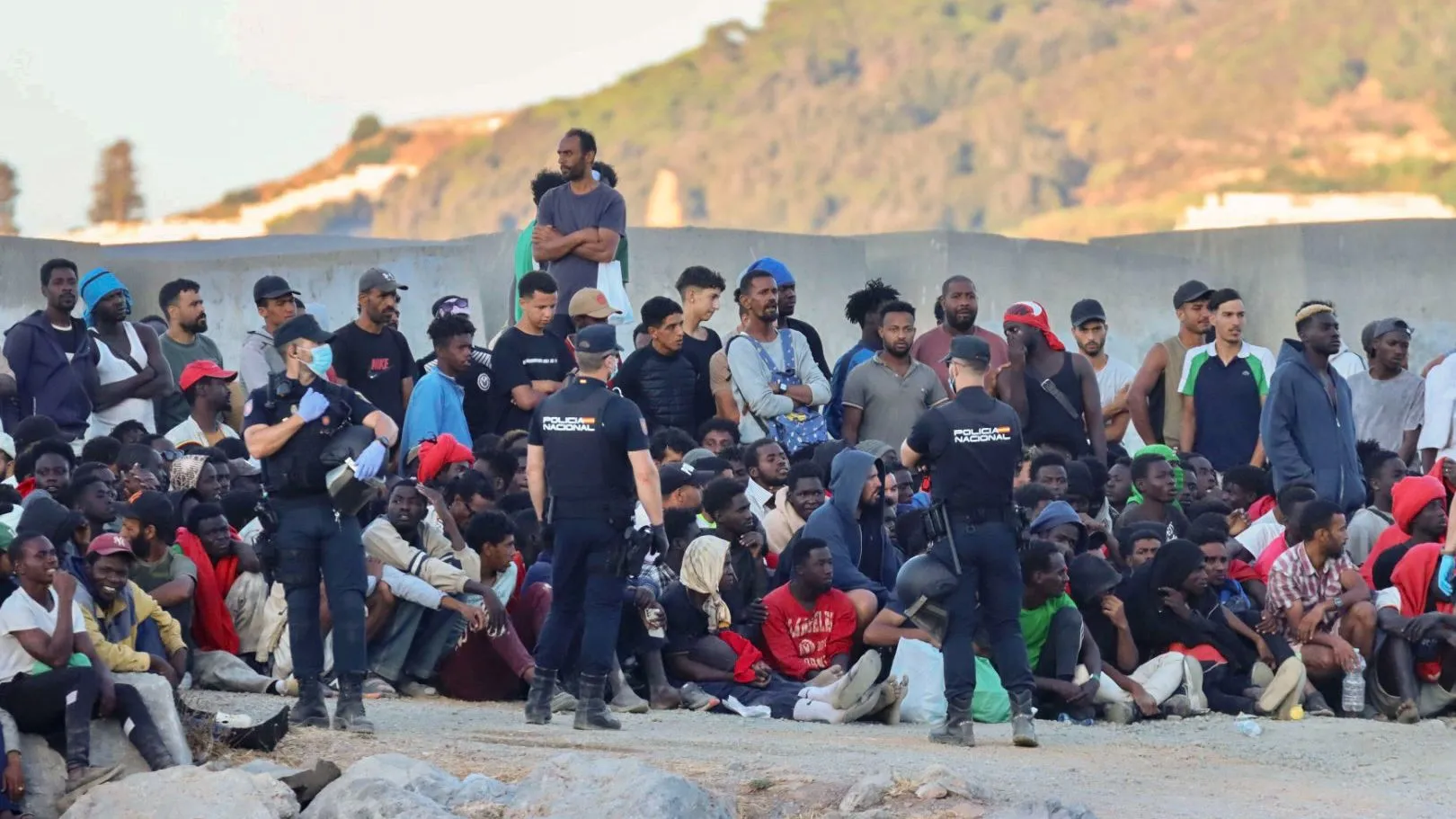
As per official figures from Spanish authorities, at least 75 individuals have lost their lives in the waters surrounding Ceuta following the influx of over 50,000 migrants who entered the autonomous city irregularly. Meanwhile, the NGO Caminando Fronteras reports a higher death toll of 141, with 63 bodies recovered within Moroccan territory and 78 within the autonomous city itself. The Moroccan government, however, maintains a much lower figure, attributing only 11 deaths to the crisis.
The official narrative from the Spanish government asserts that the majority of the migrants, primarily young people and families with children, crossed the Tarajal border by swimming or walking, spurred on by human trafficking networks. This perspective aligns with the views expressed by the Moroccan government, which has attributed the surge in crossings to misinformation circulating on social media, human trafficking operations, and misconceptions surrounding recent rulings from the Spanish Supreme Court regarding so-called "hot returns."
The Moroccan Ministry of the Interior, in a statement reported by national media, declared that the events unfolding in Ceuta were not the result of spontaneous circumstances but rather a combination of "malicious exploitation of digital space and the activities of human trafficking networks," along with the dissemination of misleading information and misinterpretations of recent judicial decisions made by Spanish authorities. These "misinterpretations" have reportedly reinforced the belief among some individuals wanting to migrate that immediate return could be avoided, further complicating the situation.
As reported by rtve.es.