
The Need for a New Approach to Migration Cooperation
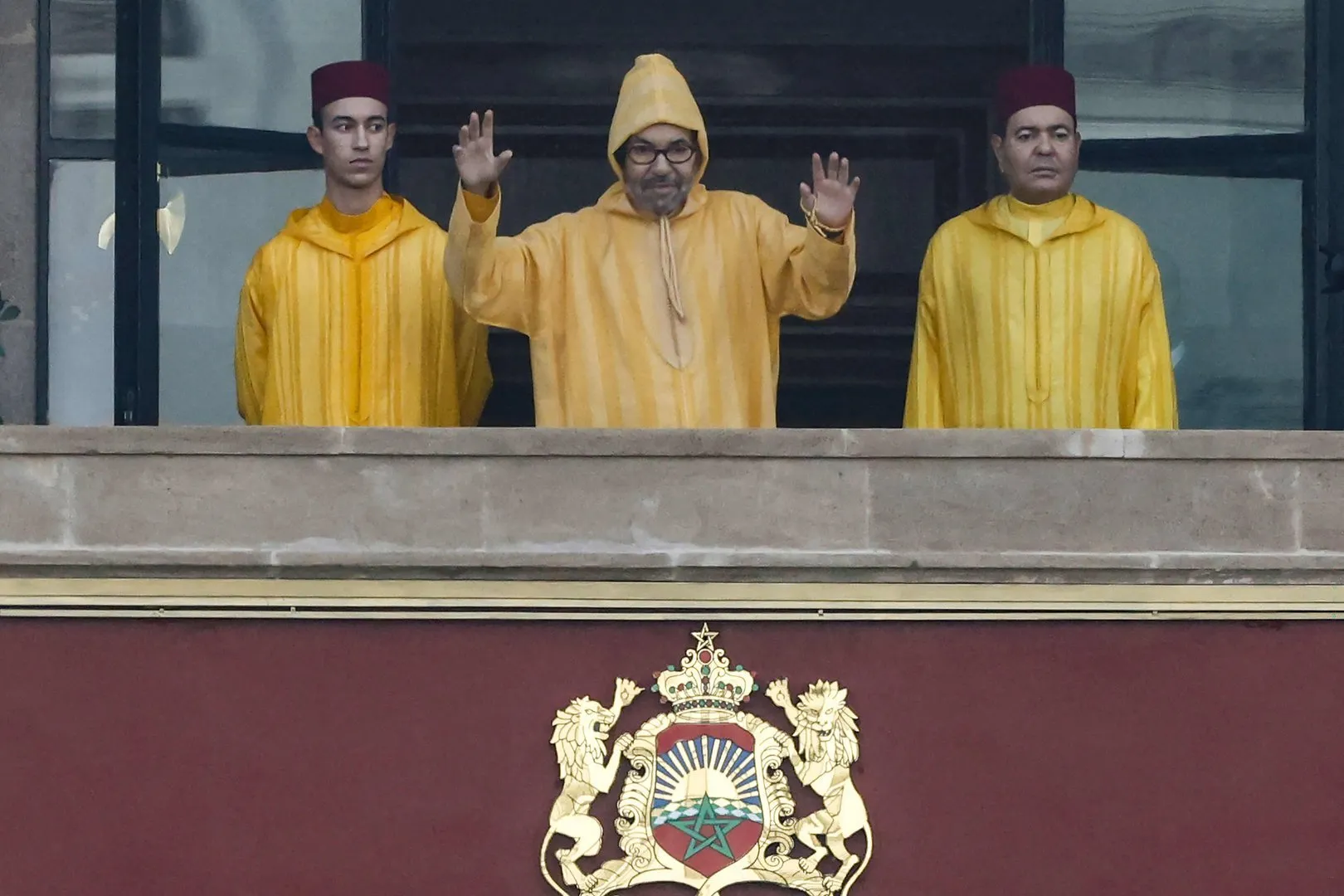
In a recent address during the opening of the new parliamentary session, King Mohammed VI of Morocco emphasized that the existing model of international cooperation aimed at combating irregular migration has become outdated. Despite the tangible results achieved by Morocco in this area, the King pointed out that there are significant challenges, particularly regarding legal frameworks and judicial decisions that hinder the processing of certain migration cases. These challenges are particularly evident in the deportation of unaccompanied minors and individuals falsely claiming asylum, which in turn fuels the ambitions of criminal networks involved in human trafficking.
King Mohammed VI acknowledged the important developments in the partnership with Spain in various fields, including the fight against irregular migration. However, he stressed that such partnerships must be based on political choice and voluntary commitment, free from any form of pressure, threats, or extortion. His remarks came amidst discussions about the evolving dynamics of international cooperation in migration, highlighting the necessity for a revision of the current model. In this context, Morocco is proposing a document to its partners that outlines a new strategic vision aimed at enhancing shared development, economic competitiveness, and regional stability.
Innovative Strategies for Economic Growth
On domestic matters, the Moroccan monarch called for the initiation of a new generation of major strategies, particularly in areas such as water, energy, and food security, manufacturing, digital economy, and artificial intelligence. He emphasized the importance of accelerating infrastructure project implementation as part of this strategic overhaul. The King also underscored the need to develop national capacities concerning strategic reserves and ensure the supply of essential materials. Moreover, he encouraged the private sector to play a more significant role in the developmental transformation by bolstering investment, enhancing exports, fostering innovation, and creating job opportunities.
King Mohammed VI highlighted that the new legislative and governmental mandate arrives at a unique juncture filled with opportunities. He expressed hope that this moment would serve as a turning point in the ongoing efforts to establish Morocco as a rising and reliable economic power, aiming for a balance between economic growth and social justice. He asserted that pride in Moroccan identity and the achievements of the kingdom should transform into a national responsibility, reflecting on the political, diplomatic, and developmental gains that have been made thus far.
Furthermore, the King urged that youth issues should take precedence in public policies through a comprehensive approach that guarantees equal opportunities in education, training, and economic integration. This is crucial to instill confidence in state institutions and empower young people to build a better future. He warned that delays and inconsistencies in the implementation of decentralization and administrative deconcentration negatively impact economic and social development programs and limit institutions' abilities to respond to citizens' concerns.
To address these issues, he called for the swift and complete activation of the Administrative Deconcentration Charter, which includes the transfer of necessary powers, human resources, and finances from central authorities to local regions. Additionally, he emphasized the need to remove obstacles facing regional institutions, clarify their responsibilities, and enhance their resources. In conclusion, King Mohammed VI reiterated the responsibilities of parliament members towards citizens, urging them to uphold their political and ethical commitments and fulfill their national duties.
As reported by aljazeera.net.