

Moroccan Sovereignty and Partnership with Spain
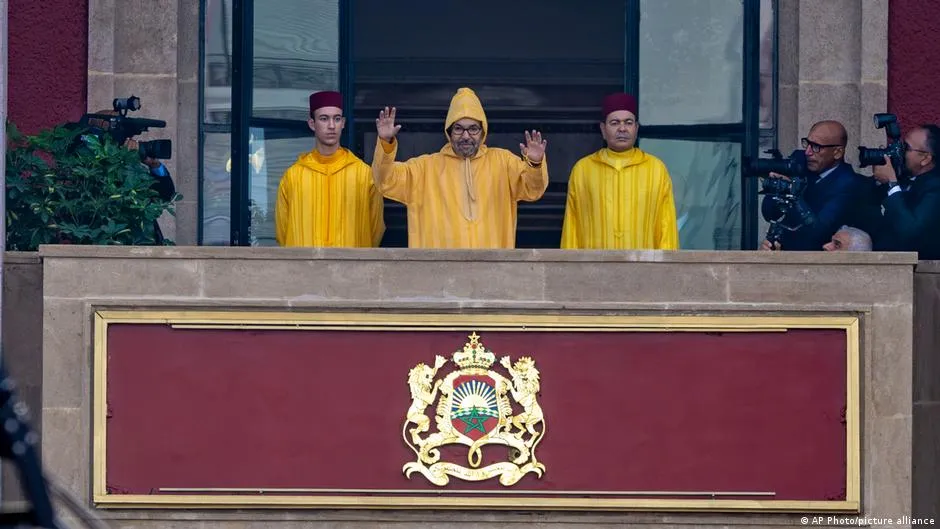
In a recent address, King Mohammed VI of Morocco staunchly defended the partnership between Morocco and Spain, characterizing it as a "sovereign decision" that will not yield to external pressures. This statement was made during the opening of the parliamentary session on October 9, 2026, amid ongoing discussions about migration issues following a significant influx of migrants into the Spanish enclave of Ceuta in late July. The King emphasized that the current model of cooperation regarding migration is no longer suitable, indicating a need for reevaluation and adaptation to the evolving circumstances.
The surge of migrants, with over 70,000 arriving at Ceuta by swimming or walking from Morocco, has created a humanitarian crisis, with many casualties reported. Most of these migrants were returned to Morocco, yet thousands remain in Ceuta, where the situation is deteriorating due to clashes and protests among local residents. In light of these developments, King Mohammed VI articulated that Morocco's approach to managing irregular migration has yielded "tangible results," but acknowledged that the existing international cooperation framework is outdated, requiring a fresh perspective to address the challenges posed by repeated crises.
Challenges in Migration Management and Future Cooperation
Addressing the complexities of migration, the King noted that both Morocco and Spain have seen significant developments in their partnership, particularly in combating irregular migration. However, he pointed out that current legal provisions and judicial decisions hinder effective management, particularly regarding the deportation of minors and individuals misrepresenting their asylum status, which unfortunately fuels the ambitions of criminal networks. This acknowledgment of the shortcomings in the existing system sets the stage for Morocco to propose a revised cooperation model to its partners, especially Spain, which reflects the current realities and challenges faced.
Furthermore, this speech marked the first major address by the King following the recent elections for a new parliamentary council, emphasizing the need for youth issues to be prioritized in public policy. He called for a comprehensive vision that ensures equal opportunities across education, training, and economic integration, aiming to build trust in the capabilities of the youth to achieve social mobility within their nation under conditions of freedom, dignity, and stability. The Moroccan private sector was also urged to be more proactive and innovative in creating employment opportunities, underscoring the importance of collaboration in addressing the pressing migration crisis and enhancing national development.
As reported by dw.com.

