Challenges in Morocco-Spain Migration Cooperation
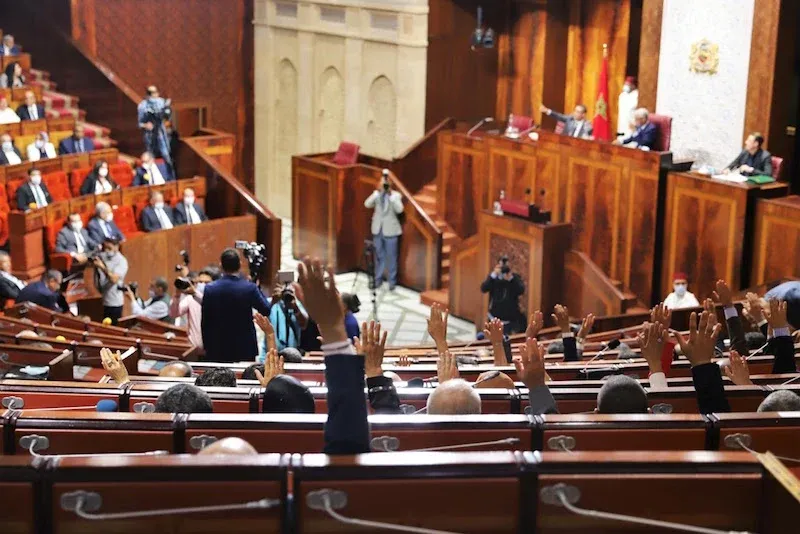
On October 9, 2026, King Mohammed VI of Morocco addressed the pressing issue of irregular migration during the opening of the Moroccan parliament. He stated that while Morocco has made significant strides in combating illegal migration, the existing cooperation model with Spain has reached a point of saturation, particularly in light of ongoing crises that have strained this partnership. The king highlighted that in July alone, approximately 70,000 individuals crossed from Morocco into the Spanish enclave of Ceuta, with many returning home, yet thousands, including minors, remain in precarious situations.
During his address, King Mohammed VI pointed to outdated and unrealistic Spanish judicial decisions that have been detrimental to effective migration cooperation. He lamented that these decisions have not only delayed the repatriation of minors and fraudulent asylum seekers but have also inadvertently fueled the operations of criminal networks exploiting vulnerable migrants. The king's remarks come amidst accusations from Spanish opposition parties directed at Prime Minister Pedro Sanchez's government, which has been criticized for allegedly facilitating these crossings.
In response to the accusations, Morocco has firmly rejected the claims, attributing the surge in crossings to the influence of social media and misinterpretations of a court ruling that seemed to create a legal loophole for maritime arrivals. King Mohammed VI emphasized that Morocco's partnership with Spain is a sovereign decision and will not be susceptible to external pressures or threats. He expressed a commitment to proposing a new vision for cooperation that emphasizes shared development, economic competitiveness, and regional stability.
Despite the challenges, relations between Morocco and Spain have shown signs of improvement since Spain supported Morocco's autonomy plan for Western Sahara in 2022. However, the recent migration crisis has tested the robustness of their bilateral ties. In a significant political development, the king appointed Fatima Ezzahra El Mansouri as Morocco's first female prime minister following her party's success in the September 23 elections. The king has urged parliament to prioritize youth in public policy agendas, signaling a potential shift towards addressing the root causes of migration.
As reported by internazionale.it.