
King Mohammed VI's Address on Migration and Cooperation
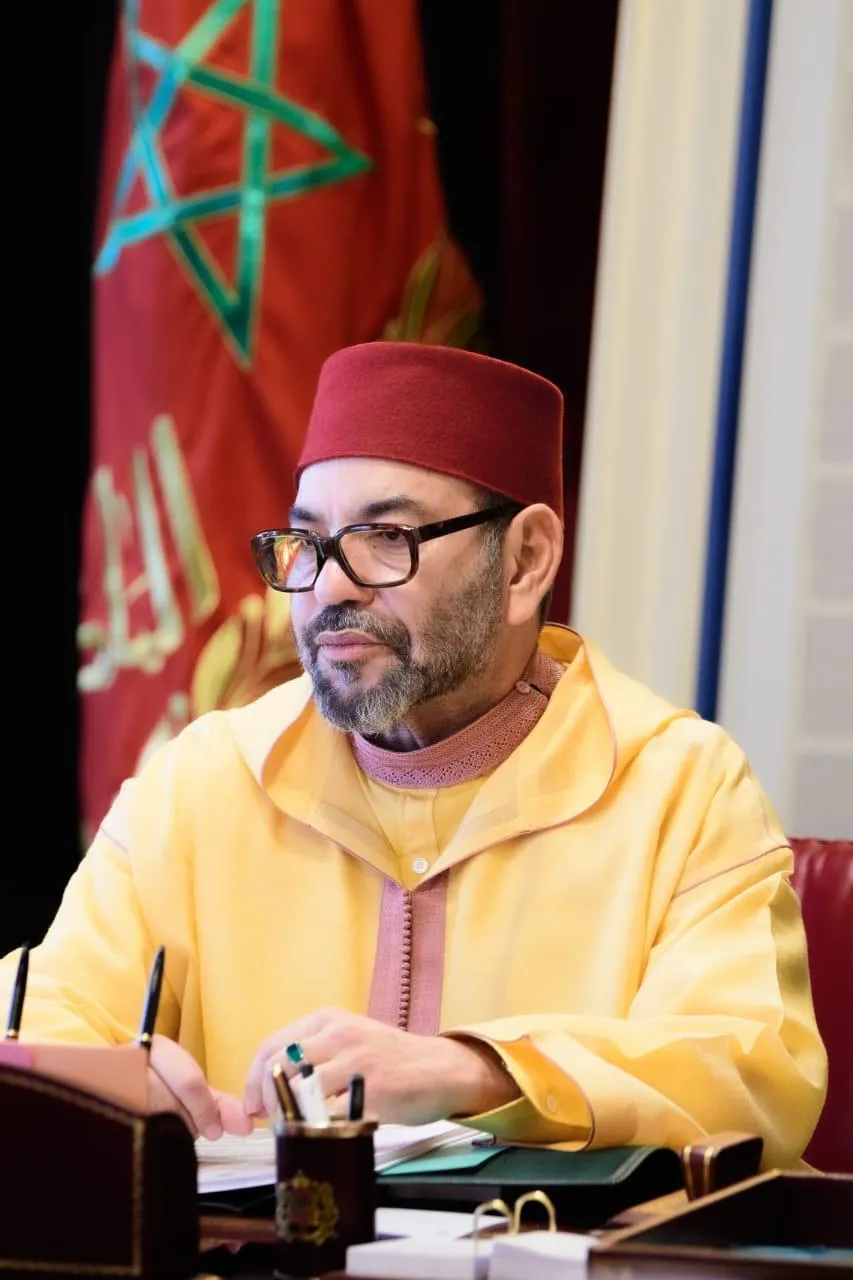
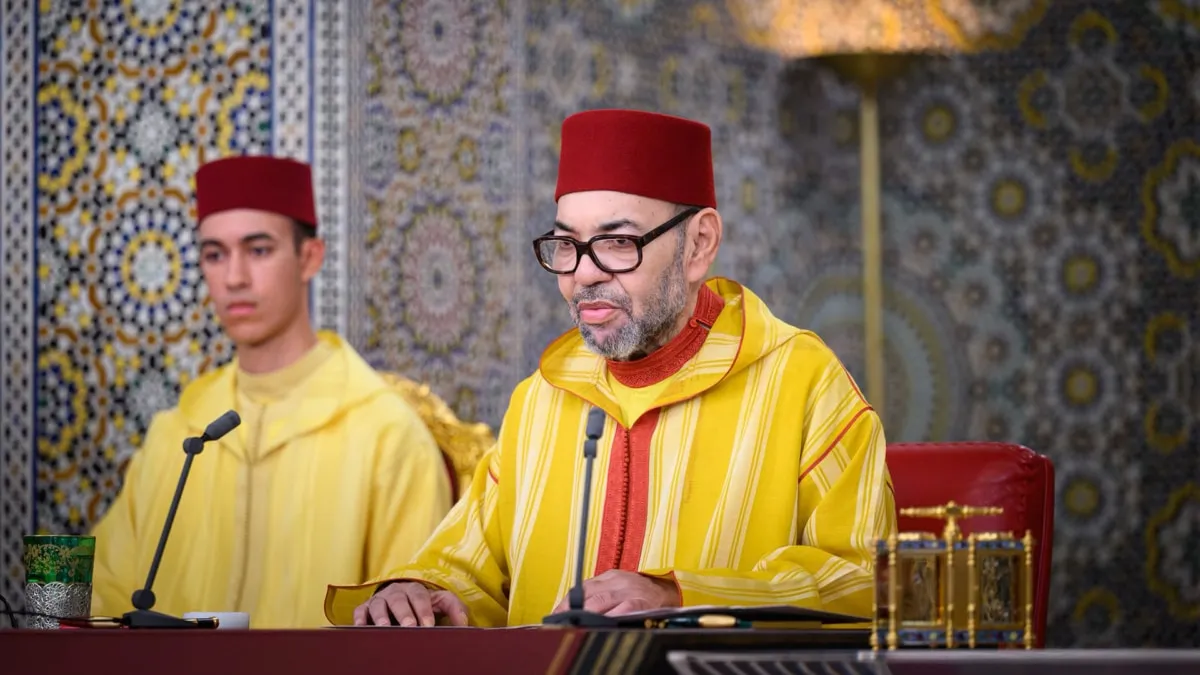
King Mohammed VI of Morocco has once again taken center stage, opening the first session of the 12th legislature at the Parliament in Rabat. Despite appearing fragile and unwell, his speech highlighted Morocco's position as a "reliable and responsible partner" on the international stage. He specifically praised Rabat's balanced management of migration issues, noting significant advancements in cooperation with Spain across various sectors, particularly in combating irregular immigration. However, he also pointed out that this collaboration faces substantial challenges, primarily due to outdated legal frameworks and judicial decisions that do not reflect current realities. He lamented how these factors complicate the repatriation of minors and individuals who falsely claim refugee status, while simultaneously empowering criminal networks. He stressed that collaboration must remain a sovereign choice and a voluntary commitment, free from any form of pressure, threat, or blackmail, as reported by Moroccan news agency MAP.
In his address, King Mohammed VI emphasized the urgent need for change in the existing cooperation model, which he described as "obsolete." He announced Morocco's intention to present its partners with a strategic document that outlines a clear and pragmatic vision for a new approach, one that is centered around enhancing shared development, economic competitiveness, and regional stability. The King highlighted that Morocco stands at a pivotal moment, needing to merge its aspirations of becoming a reliable emerging economic power with the necessity of a balanced approach that fosters both economic growth and reinforced social and territorial justice.
Political Landscape and Upcoming Challenges
This speech, one of the most closely followed by the Alawite monarch after recent elections, was broadcast across public radio and television. Accompanying him were Crown Prince Moulay El Hassan and his brother, Prince Moulay Ahmed. Interestingly, the King did not mention the Spanish monarchy or the upcoming visit to Ceuta, nor did he address the contentious issue of the Moroccan identity of Ceuta and Melilla. This omission was notable given the heightened anticipation in Spain surrounding the imminent visit of King Felipe and Queen Letizia to Ceuta on October 13.
The visit is highly anticipated by the residents of Ceuta, who are grappling with the fallout from a massive influx of individuals at the end of July. Morocco, which facilitated this passage, has repeatedly claimed both Ceuta and Melilla as part of its territory. King Felipe's visit underscores the Spanish state's commitment to affirming the Spanish identity of these territories, occurring shortly after Spain's National Day celebration on October 12.
The newly constituted Parliament, which convened on Friday, emerged from the elections held on September 23, with the Authenticity and Modernity Party (PAM) winning a majority by securing 97 seats. The National Rally of Independents (RNI) followed in second place with 66 seats, while the Istiqlal Party obtained 65 seats. This outcome indicates that the three parties forming Morocco's governing coalition maintained their leading positions in the electoral results. It is also noteworthy that this is the first time PAM, founded by the King’s closest advisor Fouad Ali El Himma, will lead the government, and the first time a woman, Fatima Zahra Mansouri, has been appointed as Prime Minister, a significant gesture in a nation ranked 139th in the Global Gender Gap Report. She was formerly the mayor of Marrakech and Minister of Housing and is currently in the process of forming her cabinet.
The elections also reflected a growing disillusionment with the political class, evidenced by the second-lowest voter turnout in the country's history, with only 38% of the nearly 16 million eligible Moroccan voters participating. This discontent, aggravated by the high cost of living and lack of opportunities within Morocco, was amplified by a boycott campaign led by the youth organization of the Democratic Labor Party, Chabibat Annahj Addimocrati.
King Mohammed VI's discourse notably addressed the youth, underscoring the importance of prioritizing youth-related issues in public policies and governmental concerns. He expressed a desire for young Moroccans to gain more confidence in their ability to ascend the social ladder and to foster faith in their country's institutions and the opportunities available to them for building a better future, all within a framework that guarantees freedom, dignity, and stability. The Crown Prince, Moulay El Hassan, now 23, will be tasked with facing the challenges highlighted by his father, increasingly requiring a solid foundation of support.
As reported by elindependiente.com.