
Moroccan Lawyers Weigh Options for International Conference Boycott
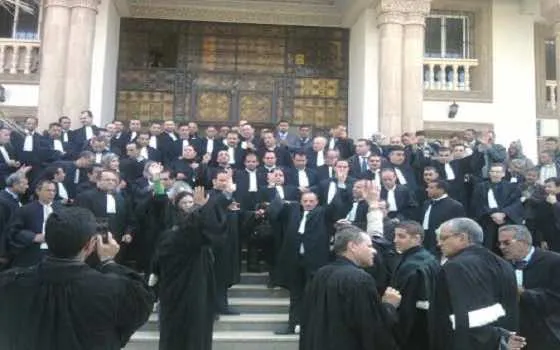
In a significant meeting held in Rabat, the Council of the Moroccan Bar Association deliberated on the potential boycott of the upcoming annual conference of the International Union of Lawyers (UIA), scheduled to take place in Marrakech at the end of October. This discussion emerges as part of the ongoing struggle by lawyers against a new law governing the profession, which has sparked considerable controversy within the legal community.
According to information acquired by alyaoum24, the option to boycott the conference is being considered as a strategic move to apply pressure in their fight against the new regulations. As the legal professionals seek alternative methods of protest aside from strikes and a comprehensive boycott of the courts, this potential conference boycott is seen as a new avenue to express their dissent. The Marrakech conference, marking its 70th edition, is anticipated to attract a plethora of legal practitioners and representatives from various countries, offering a platform for meetings, seminars, and work sessions.
The agenda for the Marrakech conference will include discussions on pressing topics such as the relationship between major sporting events, human rights, and sustainable development, as well as the role of law in international trade. For many within the profession, the idea of boycotting this international gathering carries significant symbolic weight, especially given that it is taking place in Morocco and involves foreign legal figures and associations. This provides an opportunity for Moroccan lawyers to elevate their concerns regarding the contentious new law to an international stage.
The deliberations within the Council of the Moroccan Bar Association reflect a division among members regarding the best course of action following the enactment of the new law. While some factions advocate for the continuation of strikes and court boycotts, others argue for a resumption of regular work, suggesting the exploration of less disruptive forms of protest that would alleviate the burden on both lawyers and their clients.
As reported by alyaoum24.com.