
Protests Intensify as Lawyers Stand Firm Against New Legislation
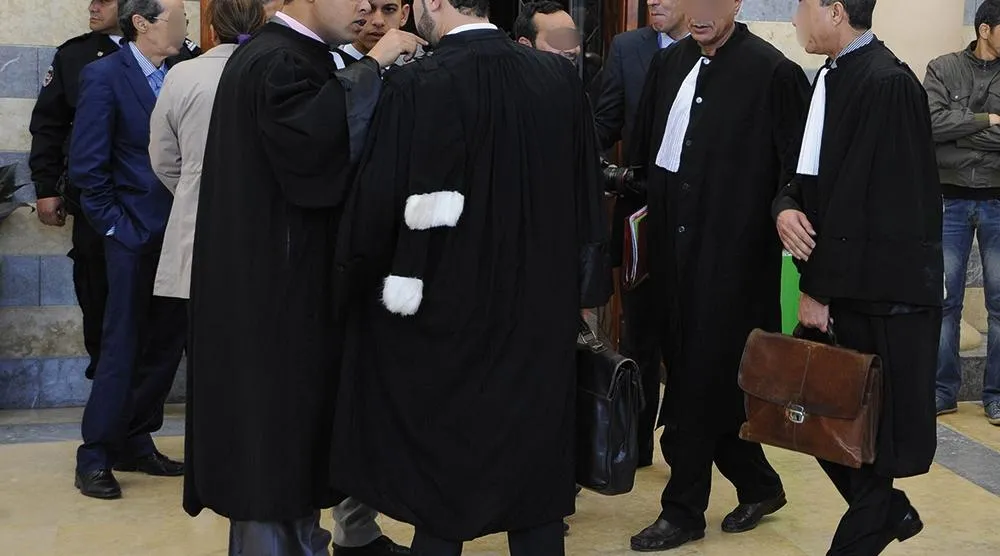
The Moroccan Bar Association has decided to maintain its total cessation of professional services while continuing to protest against the controversial lawyers’ law. This decision was announced following an extraordinary meeting held by the association's bureau last Thursday. They have scheduled a meeting for September 10 to outline their upcoming strategies and plan to hold a press conference on the same day to present their position to the national public. This will include information regarding the status of the profession law and the implications of its ongoing rejection by legal practitioners.
In the statement released, the bureau emphasized its unwavering commitment to defending the independence of the legal profession, the dignity of lawyers, and their rights. They cautioned that the implementation of the law does not equate to an acceptance of its provisions or a relinquishment of the objections that have accompanied its development. The bureau reiterated that the publication and enforcement of this law do not signify the resolution of the disputes surrounding it. They announced their intention to continue what they term "the lawyers' battle" using institutional and legally permissible means, diversifying their forms of protest until their collective goals are achieved.
Call for Institutional Dialogue on Legal Procedures
In this context, the association called for an institutional dialogue regarding the circumstances under which the law was referred to the Constitutional Court, particularly questioning why the referral did not meet the necessary legal criteria and the institutional and political responsibilities that should ensue from this matter. They argued that the issues at hand extend beyond mere professional disagreements regarding the law’s provisions, raising significant concerns about the integrity of constitutional processes, the effectiveness of legal oversight, and the quality of legislative practices, as well as the balance of power and the role of participatory democracy.
The association expressed that their objections to the law relate to provisions they believe undermine the independence of the legal profession, its self-regulation, and the sanctity of defense. They contend that these provisions are inconsistent with the constitutional and legal achievements that Morocco has made, as well as with international principles and standards regarding professional independence.
Additionally, they criticized the methodology used in drafting the law, stating that several agreements reached during institutional dialogues were not reflected in the final text. This raises serious questions about the feasibility of reforming a profession without the involvement and against the will of its members and elected institutions. The association clarified that their actions are not aimed at defending professional privileges but rather at protecting the independence of the profession, the rights of defense, and ensuring citizens' access to a free and independent legal service. They warned against legislative overreach and the imposition of legal frameworks without consensus from elected professional institutions.
The complexities surrounding this issue necessitate an institutional discussion about the reasons why the law referral did not meet legal requirements and whether these issues were addressed after the Constitutional Court's decision and before the law was published. The association believes that the discussion transcends the professional realm, intertwining with matters related to the integrity of the legislative process and the effectiveness of constitutional oversight mechanisms.
Lastly, the association voiced concerns regarding provisions that they claim expand the involvement of the governmental authority responsible for justice and the public prosecution in matters related to professional practice, fearing this could shift the organization of the profession from a self-regulatory framework to one of oversight. They also opposed what they perceived as an undermining of the status of former bar presidents and efforts to weaken the Moroccan Bar Association, which they assert serves as the national collective framework for the profession and is not tied to individuals or specific professional terms.
According to the association, the widespread rejection of this law among various lawyer bodies represents a "political and institutional reality" that must be acknowledged, considering the critical role that lawyers play in safeguarding the rights of defense and ensuring fair trials.
As reported by pjd.ma.