
Moroccan Lawyers Face Critical Decision on New Legislation
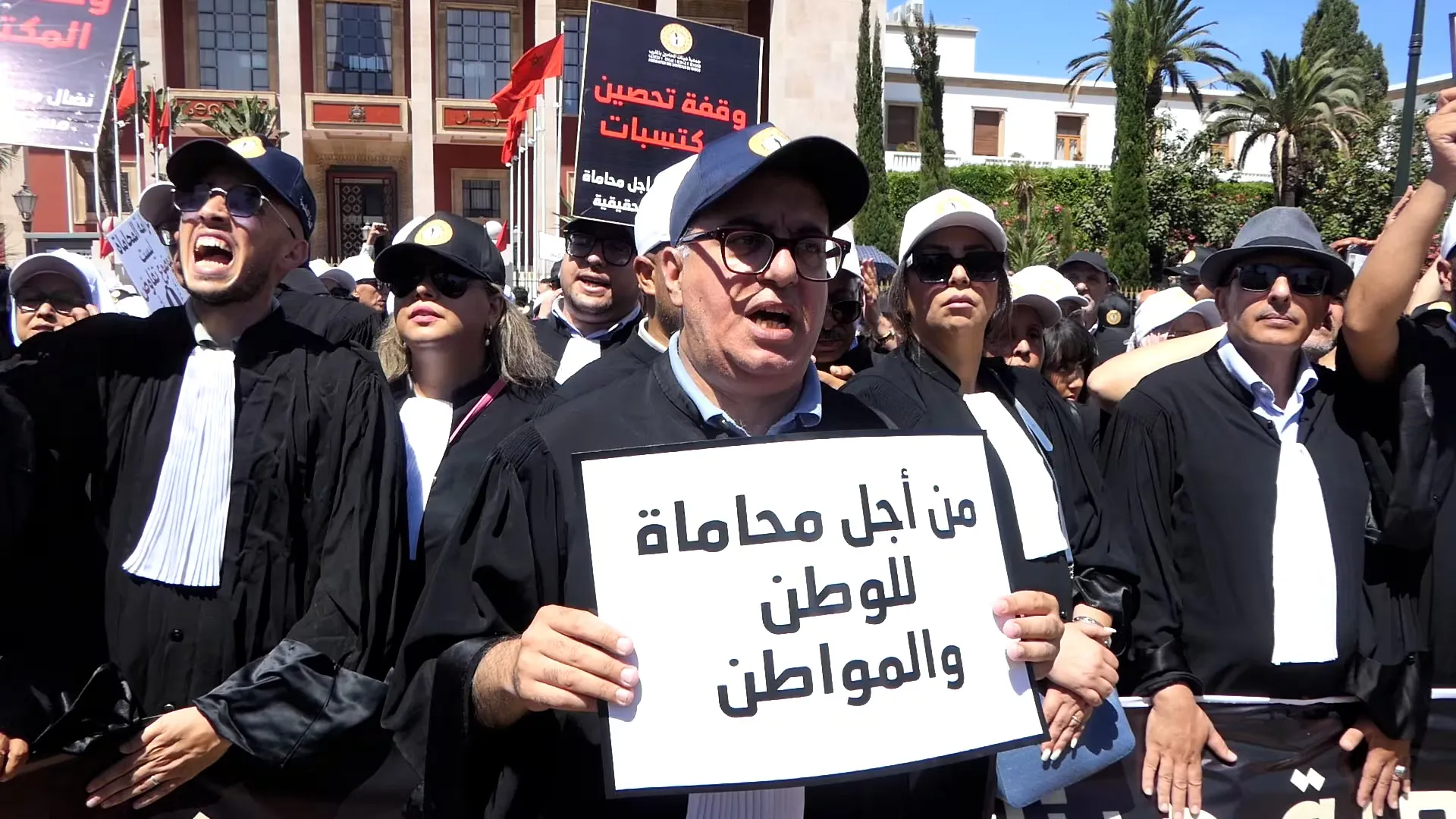
On Thursday, August 26, 2026, the National Council of the Moroccan Bar Association convened in Rabat for an extraordinary session aimed at addressing the ongoing protests against Law No. 66.23, which regulates the legal profession in Morocco. This meeting is particularly crucial as it follows the law's recent publication in the official bulletin, making it immediately effective despite widespread opposition from the 17,000 lawyers across the kingdom.
The meeting, which is set to commence at 10:00 AM at the Lawyers' Club in Souissi, will be closed to the media, with the Association promising to issue a statement following the discussions. The legal community is divided, with one faction advocating for the continuation of an indefinite strike against the controversial law, while another group is suggesting a return to work, coupled with a commitment to reform the law with the new government.
Supporters of resuming legal activities argue that doing so would better serve the interests of clients, particularly vulnerable individuals whose cases are currently stalled due to the strike. However, predicting the outcome of the council's decision remains challenging, as tensions run high within the profession.
Despite the lawyers' protests, Law No. 66.23 has been enacted, marking a significant shift in the legal landscape. According to some attorneys, this change complicates the ongoing struggle, as continuing the strike might position them outside the legal frameworks they are sworn to uphold. An anonymous lawyer expressed that while the call for reform remains legitimate, it must now be pursued through different channels.
Conversely, factions within the legal community, including the Association of Young Lawyers, are staunchly opposed to returning to work, emphasizing the potential negative impacts on clients and detainees awaiting trial. The strike has already led to significant disruptions in court operations, with hearings being postponed and cases piling up, directly affecting those who rely on legal representation.
The Ministry of Justice has defended the new law, claiming it aims to establish a more comprehensive and clear legal framework for the profession, while also enhancing governance and professional accountability. Opponents, however, argue that the law undermines the independence of the legal profession, favoring the public prosecutor's office and imposing restrictions on attorney-client contracts and fee structures.
The extraordinary session on Thursday is poised to be a turning point for Moroccan lawyers. As they navigate the complexities of the newly implemented law and the ongoing strike, the National Association of Bars must decide whether to prolong the confrontation or shift towards a new phase of political negotiation. The stakes are high, and the outcome will undoubtedly shape the future of the legal profession in Morocco.
As reported by fr.le360.ma.