
Moroccan Lawyers End Four-Month Strike Amid Ongoing Tensions
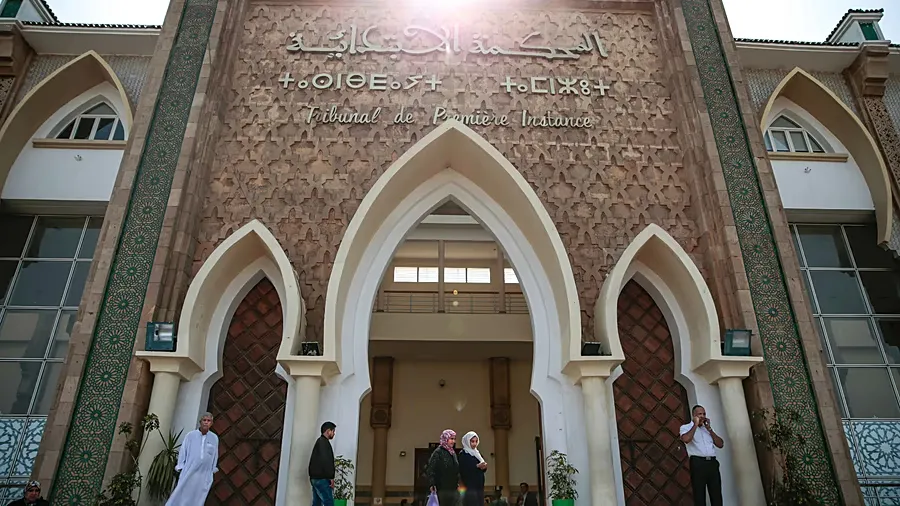
In a significant development for the Moroccan legal landscape, the country’s lawyers have decided to suspend their strike after a protracted period of four months. This decision comes as a relief to many, as it marks the resumption of regular judicial activities that had been severely disrupted due to the strike. The protest, which was organized by the Moroccan Bar Association and involved around 19,000 lawyers, was primarily against a controversial legislative bill aiming to reform the legal profession. The lawyers expressed deep concerns that the proposed reforms would centralize too much authority within the executive branch of the government, thereby undermining the independence of the judiciary and the rights of citizens seeking justice.
The prolonged strike had led to significant delays in court proceedings, resulting in a mounting backlog of cases that affected many individuals awaiting justice. The legal community's decision to suspend the strike is seen as a strategic move to give the government time to address their grievances and engage in constructive dialogue regarding the contentious bill. There is a palpable sense of cautious optimism among the lawyers, who hope that this temporary suspension will foster a climate for renewed discussions with the government, allowing for the possibility of amendments to the legislation that they find objectionable.
While the suspension of the strike is a step towards restoring normalcy in the Moroccan legal system, it is essential to recognize that tensions between the lawyers and the government remain high. The lawyers are adamant about their demands for a thorough review of the proposed reforms, emphasizing the necessity for a legal framework that preserves their autonomy and ensures fair access to justice for all citizens. This situation continues to be a focal point of public interest and scrutiny, as it has implications not only for the legal profession but also for the broader civil rights landscape in Morocco.
As reported by africanews.com.