
Moroccan Lawyers Mobilize Amid Legislative Strife
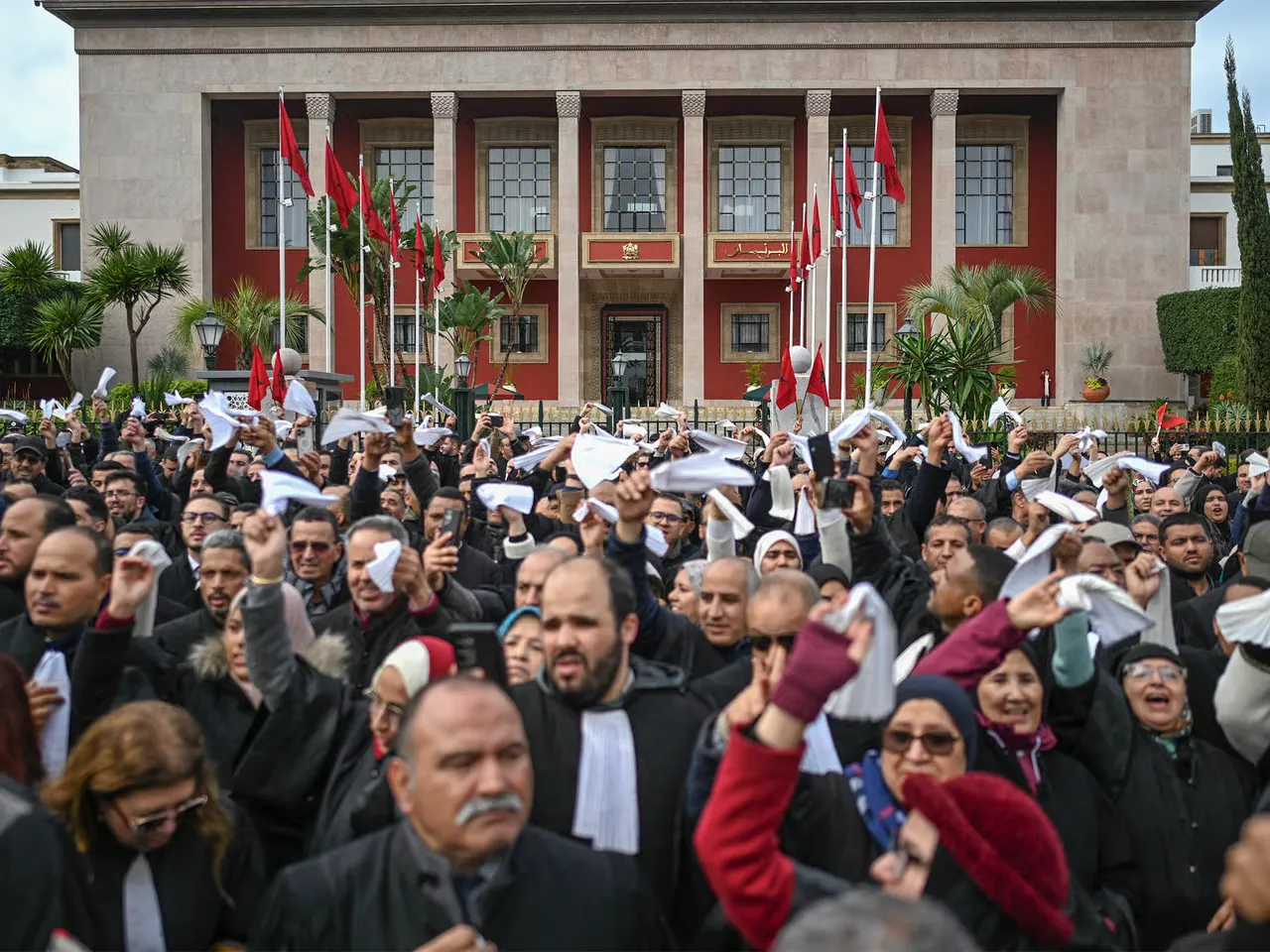
In early 2026, the Moroccan government made strides to ease tensions among lawyers by proposing a review of its controversial bill aimed at reorganizing the legal profession. However, the subsequent adoption of the contentious Law 66.23 in August reignited protests among legal practitioners, who have since sought to integrate their demands into the ongoing electoral campaign. This ongoing legal dispute has led to over a hundred days of strikes, with lawyers rallying against specific provisions of the law that they believe undermine their practice, particularly the digitization of legal procedures and stricter entry requirements into the profession.
As the strike unfolds, lawyers are increasingly vocal about their grievances, pushing for a reconsideration of the laws that govern their professional landscape. The protests have not only captured public attention but have also become a focal point in the lead-up to the upcoming legislative elections. Legal professionals argue that the reforms threaten the independence of the judiciary, a cornerstone of democratic governance. They are leveraging this moment to engage with candidates and political parties, insisting that a commitment to the rule of law be central to their platforms.
Legal and Political Implications of the Strike
The implications of this strike extend beyond the legal community, affecting public perception and political discourse in Morocco. With the legal profession at the forefront, candidates are being challenged to address issues of judicial integrity and the rights of legal practitioners. As lawyers make their voices heard, the government is faced with the dual challenge of addressing these concerns while navigating the complex landscape of electoral politics. The protests come at a critical juncture, as the country seeks to uphold its commitment to democratic values amidst growing public scrutiny.
By intertwining their demands with the electoral process, Moroccan lawyers are not only advocating for their rights but are also shaping the political narrative heading into the elections. The outcome of this struggle could set a precedent for future engagements between legal professionals and the government, potentially leading to reforms that better protect the integrity of the legal system.
As reported by jeuneafrique.com.