
Historic Wins and Political Dynamics in Morocco
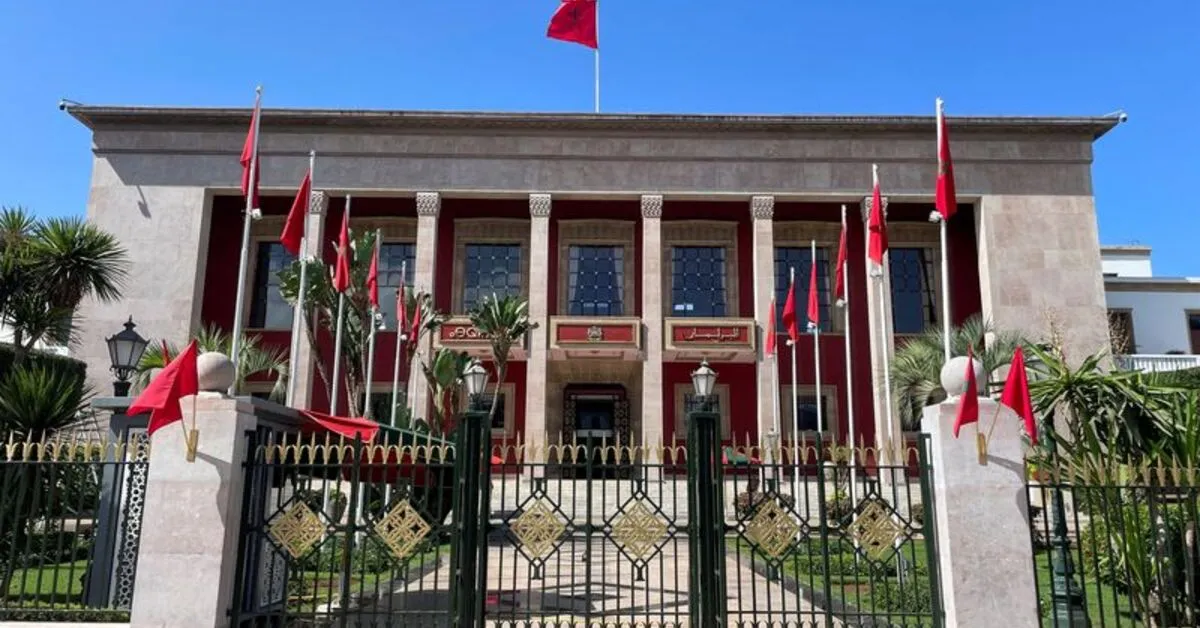
In a significant turn of events in Morocco's political landscape, the Authenticity and Modernity Party (PAM), a liberal-centrist organization established by a royal adviser, has secured the top position in the recent parliamentary elections. Early results reveal that the party's ascent is partially attributed to the late endorsement from Fouzi Lekjaa, the president of Morocco's football federation, who is recognized for leading the national football team to unprecedented global recognition. This election outcome comes at a crucial time as Morocco prepares for the co-hosting duties of the 2030 World Cup alongside Portugal and Spain, a $20 billion initiative poised to reshape the country's sports infrastructure and economy.
Despite this political shift, it is anticipated that the overall balance of power within Morocco's constitutional monarchy will remain largely unchanged, as the king retains significant authority over key areas such as foreign affairs and defense. Nonetheless, the new parliament is expected to play a vital role in addressing pressing economic challenges, particularly the growing discontent among the youth, which has been accentuated by recent events, including a surge of migrants attempting to cross into the Spanish enclave of Ceuta and protests led by younger generations.
PAM's Promises and Future Leadership Prospects
PAM's rise to prominence is marked by its strategic recruitment of Fouzi Lekjaa, who is now seen as a formidable contender for the position of Prime Minister, a role appointed by the king from the leading party. Under the leadership of Fatima Ezzahra El Mansouri, PAM's current head, the party is positioned to potentially make history with a female prime minister, following in the footsteps of Tunisia’s Najla Bouden.
Historically, PAM was founded in 2008 with the intent of countering the influence of the Islamist Justice and Development Party (PJD), promoting social modernization and secular principles. The recent elections saw PAM winning 97 seats in the 395-seat parliament, a significant increase from the 87 seats it held in the previous election. The National Rally of Independents (RNI), PAM's coalition partner in the outgoing government, fell to second place with 66 seats, while the conservative Istiqlal Party claimed 65 seats. The PJD made a remarkable comeback, increasing its representation to 54 seats, up from a mere 13 in the last election.
Voter turnout has become a point of concern, witnessing a drop to approximately 38% from around 50% in the prior elections, reflecting waning trust in electoral processes. With over 27 million Moroccans eligible to vote, only 15.8 million are registered, indicating a decline of around 12% from the previous election cycle. As the new parliament convenes, the focus will be on implementing ambitious economic policies, including an investment of $37 billion aimed at generating one million jobs and enhancing sectors such as healthcare and education.
As reported by al-monitor.com.