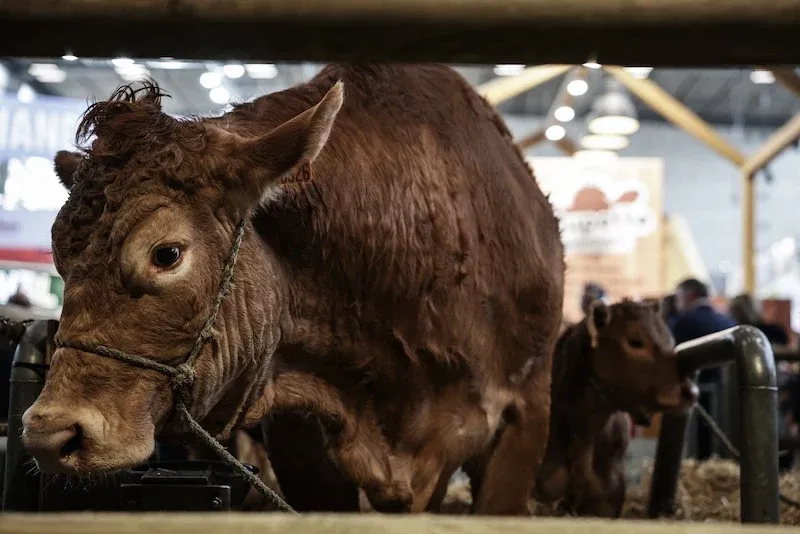
In a proactive move, major livestock importers from Morocco have intensified their visits to Spain, Portugal, and France, aiming to secure adequate supplies of cattle and dairy cows in anticipation of the seasonal demand associated with Eid al-Adha. As reported by sources familiar with the matter, the heightened interest in European livestock has been prompted by the need to ensure that the market is well-stocked for the upcoming holiday.
However, these exploratory visits have unveiled a concerning trend: unexpectedly high prices in European markets. This situation has sparked apprehensions among Moroccan importers regarding the feasibility of sourcing livestock from abroad. Specifically, importers discovered that beef prices in Spain are on par with those in Morocco, hovering around 60 dirhams per kilogram. When factoring in additional transport and logistics costs, the total price could escalate to approximately 80 dirhams per kilogram by the time the livestock reaches Moroccan shores. This price point poses significant economic challenges for many operators who are already grappling with narrow profit margins.
The backdrop of these developments is Morocco's ongoing struggle within its domestic meat market, which is characterized by supply constraints and fluctuating prices as the high-demand holiday approaches. Moreover, reports indicate that imports of cattle from European nations have been severely restricted for several months due to animal health concerns related to contagious skin diseases, compelling importers to seek alternative supply routes. Concurrently, the surge in global transport costs and the rising prices of Brazilian imports are further straining supply chains, prompting industry stakeholders to advocate for broader import options from geographically closer markets.
This troubling scenario is not limited to cattle; plans to import dairy cattle are also facing challenges, with European prices exceeding €4,000 per cow—a figure that importers deem prohibitively high. The confluence of robust global demand for livestock, shifting trade dynamics, and regional geopolitical tensions has resulted in tighter supply and increased competition within European markets. Consequently, Moroccan importers are issuing warnings that domestic price pressures could escalate unless innovative sourcing strategies are implemented or import restrictions are lifted.
As reported by en.hespress.com.