
Understanding the Importance of Local Seeds in Morocco
When the topic of food security arises, discussions often center around essential resources such as wheat, water, land, and food storage. However, it is vital to recognize the fundamental starting point of this entire chain: the seed. Morocco currently benefits from modern and hybrid agricultural varieties that have significantly enhanced production levels. Nevertheless, a critical question that we must ponder is not merely how much we produce today, but rather whether we possess the capability to cultivate our own food tomorrow if our sources of seed supply are disrupted.
Commercial hybrids, particularly F1 varieties, exhibit high traits and productivity in their first generation. However, replanting these hybrids does not guarantee the same traits and yield in subsequent generations. This reality compels many agricultural systems to rely on the continuous provision of new seeds, thereby underscoring the importance of seed security: what would happen if international supply chains were to falter?
On the other hand, local varieties, which farmers have preserved and developed over generations, represent a unique genetic treasure. Many of these varieties have adapted to local conditions such as drought, soil type, and climate, and in many instances, can be propagated locally. The loss of these varieties would signify the loss of genetic resources that we may critically need in the future.
Let us envision a major international crisis: a war, a trade blockade, transportation disruptions, or an economic crisis that halts trade. If seeds do not arrive on time, the repercussions extend beyond just one agricultural season; the impact will be felt in the harvest and may compound into the following season. In this context, seed security transitions into a matter of national security.
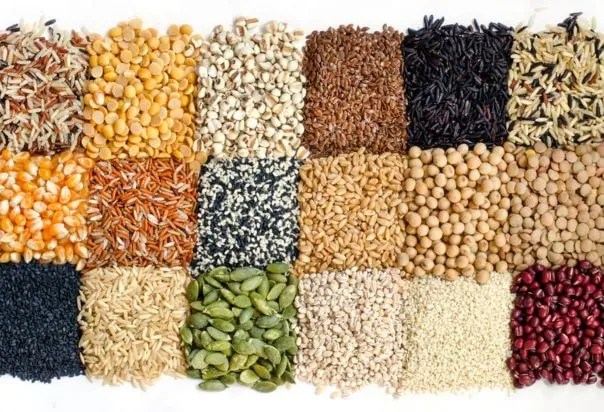
In the worst-case scenarios, control over seed resources or the obstruction of their access could become a strategic leverage point—a war without weapons, where food becomes the target. Fortunately, Morocco does not start from scratch. The National Institute of Agricultural Research is actively engaged in preserving plant genetic resources. In collaboration with the Food and Agriculture Organization and the Ministry of Agriculture, an inventory of 144 local varieties has been compiled, with 57 characterized. Additionally, local networks for seed production, storage, and distribution have been established. Recently, the institute sent 863 samples representing 42 plant species to the global seed vault in Svalbard, including local varieties of wheat, barley, lentils, chickpeas, fava beans, and peas.
While these efforts are commendable, they raise a more significant question: do we currently possess a comprehensive national system for seed security? We require precise knowledge regarding crops that heavily rely on external seeds, the extent of this dependence, the local varieties that have vanished or are at risk, and the amount of stock that can be propagated if international trade were to cease for one or two seasons.
It is not about completely abandoning modern seeds; rather, we need a strategic option that safeguards the country during crises. This entails the establishment of a robust national seed bank, regional and local seed banks, regular propagation of varieties, backup preservation, and the active involvement of farmers in maintaining and restoring these seeds in the fields.
A nation that protects its water, land, and food reserves but loses access to its seeds cannot claim to have achieved complete food security. The seed is the beginning of food, and safeguarding seeds is tantamount to ensuring our ability to produce tomorrow's food. In times of crisis, the battle may not be over who has food today, but rather who has the capacity to produce food for tomorrow.
As reported by klamkom.com.