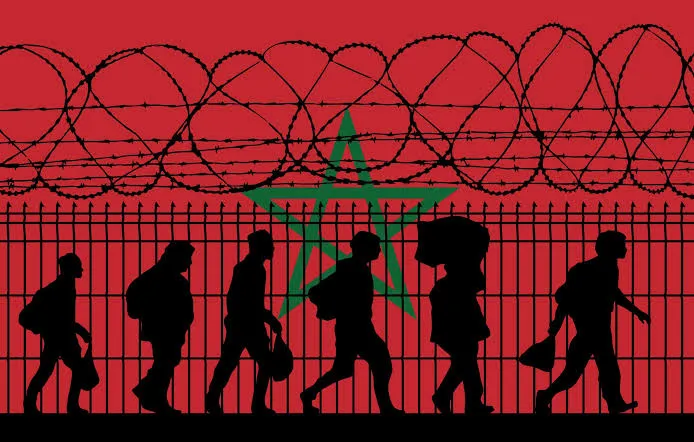

Understanding Morocco's Migration Policies
The recent discussions surrounding Morocco's migration policies have revealed a complex interplay between political interests and border management. Observers note that the opening and closing of borders are often dictated by the shifting landscape of political alliances and interests, rather than humanitarian considerations. This phenomenon underscores the necessity for a deeper analysis of how migration is manipulated by state actors to serve their political agendas. As such, the issue of migration in Morocco cannot be viewed in isolation but rather as a crucial element of broader geopolitical strategies.
The Role of Political Interests in Border Management
Political motivations have increasingly become the driving force behind Morocco's approach to migration, with decisions made in accordance with national interests and international relations. The state often utilizes migration as a tool for negotiation, leveraging the movement of people to gain concessions or support from other nations. This approach not only impacts the lives of migrants seeking better opportunities but also complicates the relationship between Morocco and its neighbors and partners. Stakeholders must therefore navigate this intricate web of political dynamics to develop humane and effective migration policies that prioritize the rights and needs of migrants while addressing national security concerns.
Ultimately, as Morocco continues to play a pivotal role in regional migration issues, it is essential for policymakers to consider the broader implications of their decisions. By ensuring that migration policies are shaped by a commitment to human rights and dignity, rather than solely by political expedience, Morocco can foster a more just and equitable environment for all individuals seeking to cross its borders.
As reported by facebook.com.