Moroccan King Declares Migration Cooperation with Spain Has Reached Its Limits
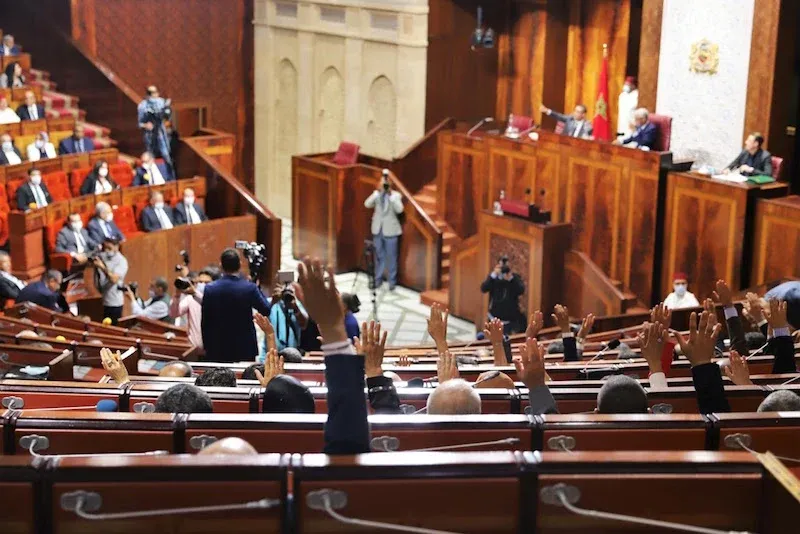
In a significant address delivered on October 9, 2026, King Mohammed VI of Morocco articulated the challenges facing the current migration cooperation framework with Spain, stating that it has reached its operational limits. The remarks were made during the opening session of Morocco's parliament, where the king highlighted the tangible results of Morocco's initiatives aimed at curbing irregular migration. However, he emphasized that the existing model of collaboration with Spain is fraught with complications due to recurring crises.
The backdrop to these comments includes a notable episode in July when approximately 70,000 individuals crossed into the Spanish enclave of Ceuta from Morocco. While many of these migrants returned, thousands, including minors, remain in limbo. Highlighting the complexities of the situation, King Mohammed VI criticized certain Spanish court rulings as "obsolete" and "unrealistic," suggesting that these legal decisions are obstructing effective cooperation on migration matters. He pointed out that such rulings are hindering crucial processes, including the repatriation of minors and the deportation of individuals posing as asylum seekers, thereby exacerbating the activities of criminal networks involved in human trafficking.
The political landscape in Spain has been tumultuous since the Ceuta migration crisis, with opposition parties levying accusations against Prime Minister Pedro Sanchez's government, claiming that it has facilitated the crossings. In response, Morocco has firmly rejected these allegations, attributing the surge in crossings to misinformation disseminated through social media and misinterpretations of legal rulings that inadvertently opened avenues for maritime arrivals.
King Mohammed VI reaffirmed Morocco's autonomy in its partnership with Spain, declaring that it is a "sovereign choice" that will not be subject to external pressures or threats. He proposed a new vision for future cooperation, one that is centered on shared development, enhancing economic competitiveness, and fostering regional stability. This proposal aims to recalibrate the bilateral relationship by addressing the root causes of migration and ensuring mutual benefits for both nations.
Despite previous strides toward improving relations, particularly after Spain's support for Morocco's autonomy plan over Western Sahara in 2022, the bilateral ties have come under strain due to recent migration challenges. In a related development, the king appointed Fatima Ezzahra El Mansouri as Morocco's first female prime minister following her party's successful performance in the September 23 elections, urging parliament members to prioritize youth in their policy-making efforts.
As reported by usnews.com.