
Moroccan MPs Reject Proposal for State Takeover of Refinery
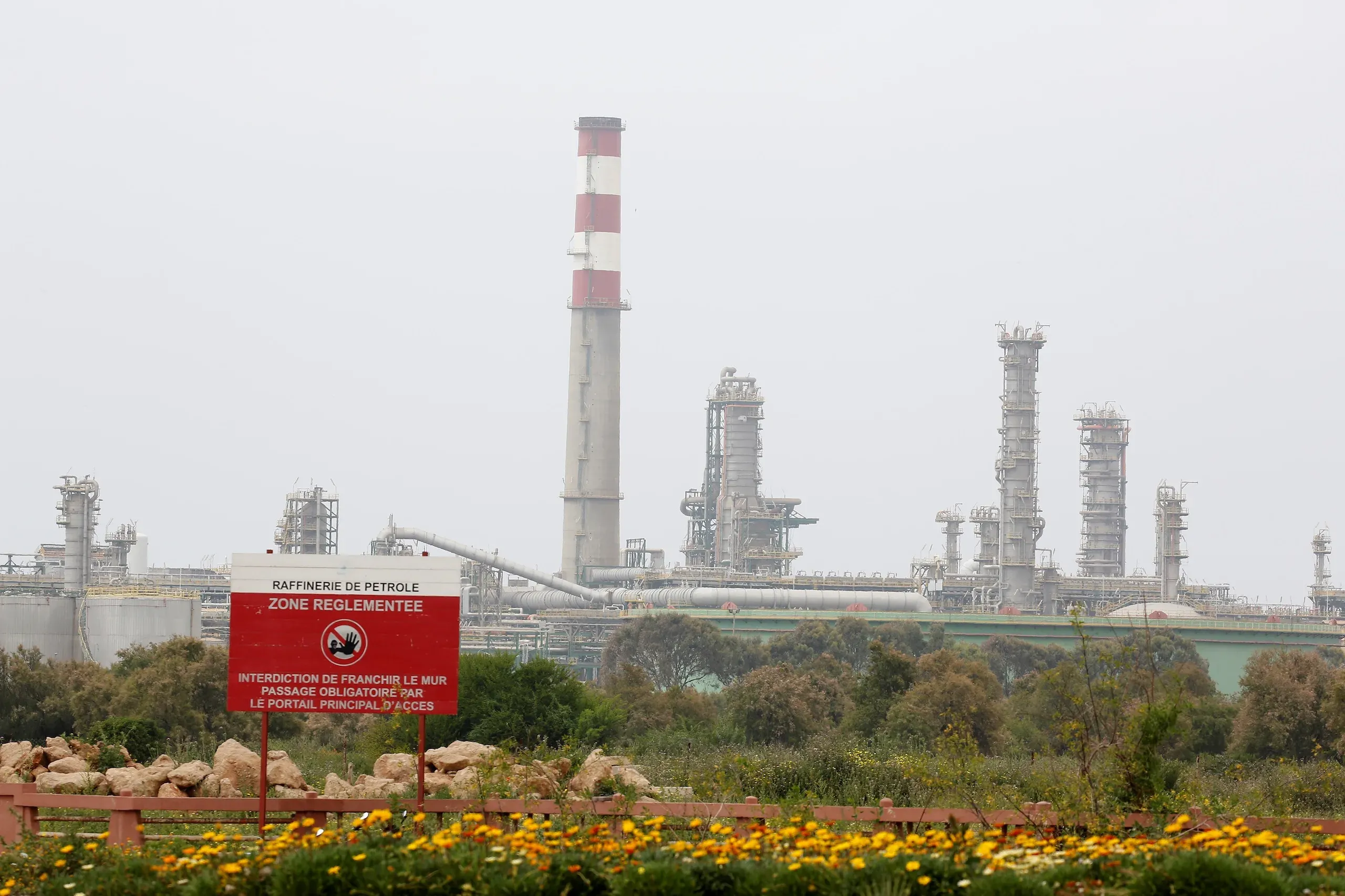
In a significant political move, Morocco's parliament has decisively rejected a proposal aimed at nationalizing the Saudi-owned Samir oil refinery, which has remained inactive since its closure in 2015. This decision marks the end of a prolonged debate that has permeated Moroccan politics for nearly a decade. A group of MPs had advocated for the acquisition of the refinery’s assets, which had been ordered to be liquidated by a local court in 2016 due to overwhelming debts. The session held in the House of Councillors saw the proposal denied, as reported by the state news agency.
Proponents of the nationalization argued that regaining control over the refinery could bolster Morocco's fuel reserves and enhance supply stability, while opponents highlighted concerns related to arbitration and existing debt liabilities. Earlier this year, Dubai-based MJM Investments attempted to acquire the Samir refinery for approximately $3.5 billion, but the offer was dismissed by the court. This acquisition was aimed at reviving the refinery’s operations after nearly ten years of dormancy, according to reports from the Saudi publication Asharq Business.
The closure of the Samir refinery has led to significant job losses, with hundreds of former employees staging regular protests to advocate for its reopening. Labour unions across Morocco have rallied in support of these demonstrations, particularly emphasizing the plight of engineers and workers associated with the refinery, which had a refining capacity of 150,000 barrels per day and was situated in the coastal city of Mohammedia.
Historical Context and Current Implications
The Samir refinery was initially established and operated by the Moroccan government from 1959 until 1997, when it was sold to Corral Morocco Holdings, a Swedish entity linked to Saudi-Ethiopian billionaire Sheikh Mohammed Hussein Al Amoudi. Following its sale, the refinery accrued debts surpassing $4 billion, leading to a judicial liquidation mandated by the Commercial Court of Casablanca in 2016. As Morocco continues to depend heavily on petrol imports, government officials recently disclosed plans to allocate nearly MAD3 billion (approximately $330 million) monthly to subsidize rising fuel prices amidst ongoing geopolitical tensions affecting oil supply routes, particularly following the effective closure of the Strait of Hormuz by Iran.
As reported by agbi.com.