
Mass Mobilization Against Diplomatic Ties with Israel in Morocco
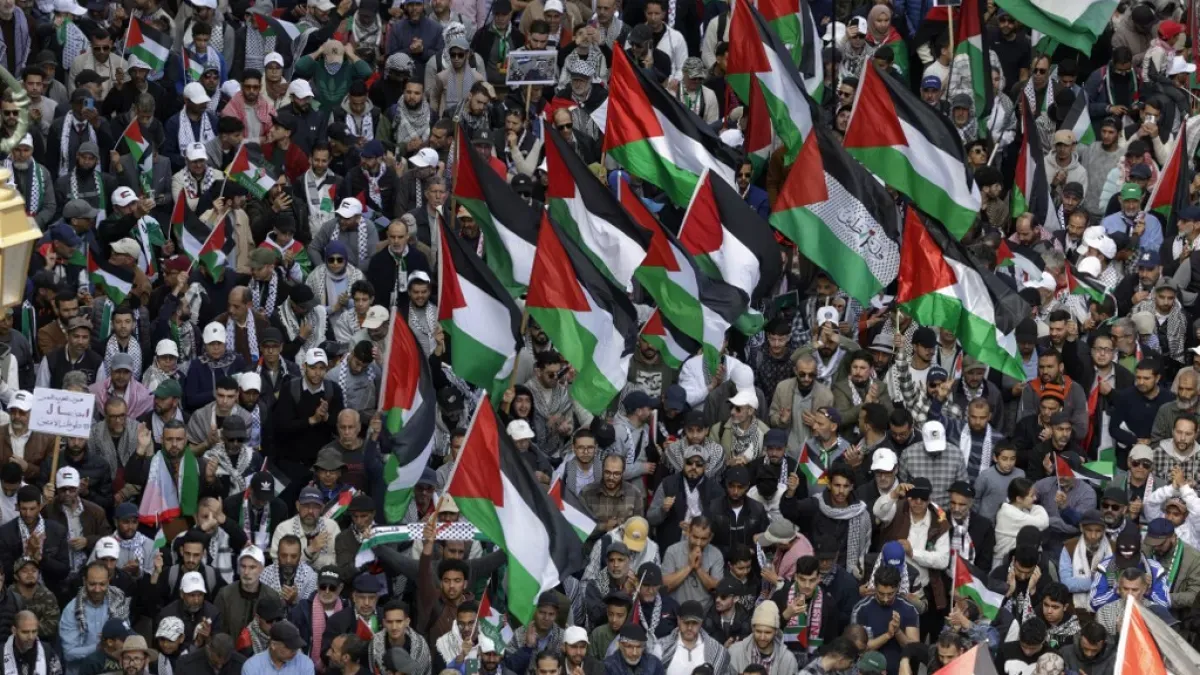
In recent weeks, Morocco has witnessed a surge in pro-Palestine protests across multiple cities, with demonstrators vocally opposing the government's diplomatic normalization with Israel. This wave of protests has been propelled by a growing dissatisfaction among the public as Morocco continues to strengthen its ties with Tel Aviv. The latest significant mobilization occurred on September 27, concluding three days of coordinated actions initiated by the Moroccan Front for Supporting Palestine and Against Normalization. This movement was ignited following a September 16 announcement that Morocco and Israel would be upgrading their diplomatic missions to full embassies and appointing ambassadors, a move that has sparked considerable debate among citizens.
According to the Moroccan Committee for Supporting the Nation’s Causes, 76 events were organized across 45 cities under the rallying cry “Friday for Al-Aqsa and against normalization.” Notable gatherings were reported in cities such as Rabat, Casablanca, Marrakesh, and Fez, although the count of participants remains unverified by independent sources. In Rabat, protesters gathered outside the Parliament building, while in Marrakesh, demonstrations escalated into a march through main thoroughfares. However, not all protests went unchallenged, as authorities imposed restrictions in certain areas, leading to the banning of planned demonstrations in Tangier and other cities. Reports indicate that security forces intervened, dispersing crowds and making arrests, thereby highlighting the tensions between the state's actions and public sentiment.
Public Sentiment vs. Government Policy: The Growing Divide
The backdrop of these protests is a complex political landscape where the Moroccan government has actively pursued diplomatic relations with Israel since December 2020, as part of the US-brokered Abraham Accords. In a recent trilateral summit held in New York, Moroccan Foreign Minister Nasser Bourita and Israeli Foreign Minister Gideon Saar announced plans for enhanced diplomatic cooperation, including agreements on investment protection and increased direct flights between the two nations. While these developments may serve diplomatic and economic interests, they have not aligned with public sentiment, which remains firmly opposed to normalization with Israel. A recent Arab Opinion Index indicates that an overwhelming 89 percent of Moroccans surveyed oppose recognizing Israel, underscoring the disconnect between official policy and popular opinion.
Activists, including Moroccan social commentator Mouna Rahiani, argue that the ongoing conflict in Gaza has exacerbated public outrage towards normalization. As diplomatic relations deepen, Moroccans continue to voice their commitment to the Palestinian cause, asserting that their political and moral responsibilities cannot be separated from the plight of Palestinians. The protests illustrate a significant divide: while the government seeks closer ties with Israel, a considerable portion of the populace remains steadfast in its opposition to such moves. This divergence raises questions about the long-term implications for Moroccan foreign policy, particularly in light of upcoming discussions regarding Western Sahara at the United Nations Security Council.
As reported by aljazeera.com.