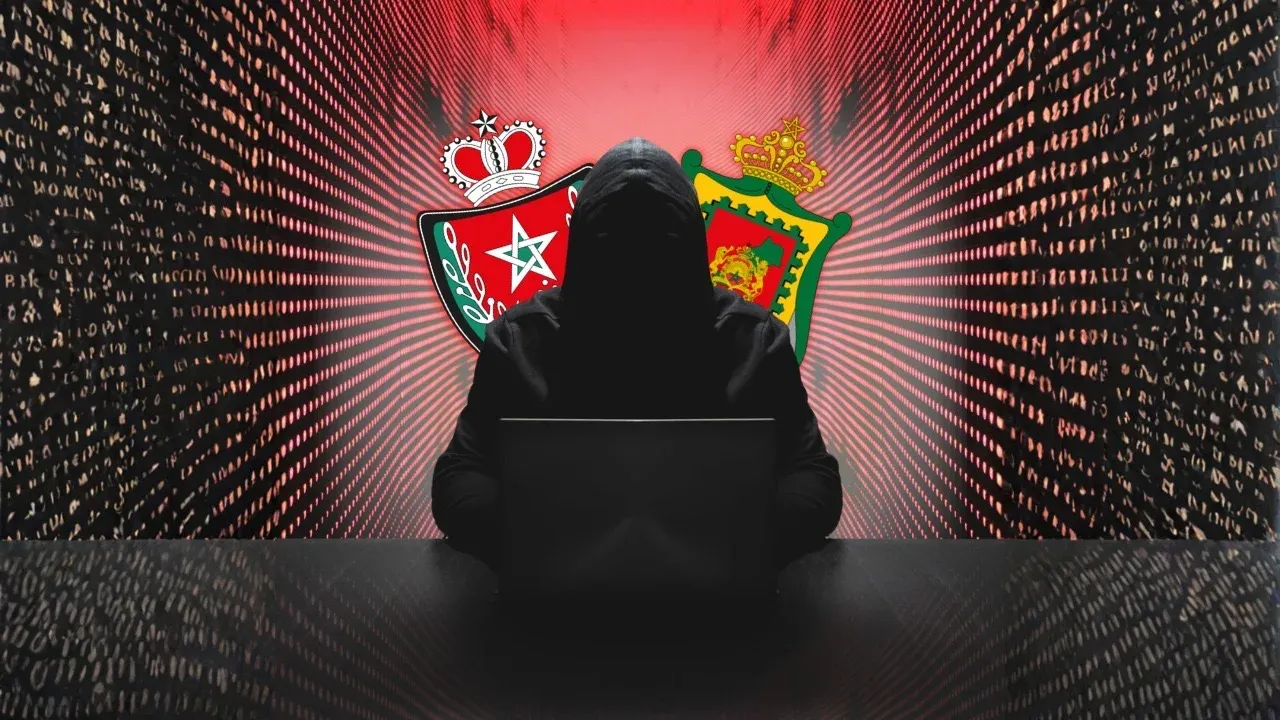

Denial of Hacking Allegations
Just three days following the claims made by the hacker group JabaRoot, which identifies itself as Algerian, the joint leadership of Morocco's General Directorate of National Security (DGSN) and the General Directorate of Territorial Surveillance (DGST) firmly refuted allegations of any intrusion into their computer systems or secure databases. On August 24, JabaRoot disseminated files that it claimed contained data pertaining to over 70,000 individuals associated with the DGSN and DGST, alleging that these files were the result of a direct hack into the databases of both security institutions. The released files reportedly included names, birth dates, national identity card numbers, payroll registration numbers, and years of recruitment.
Ongoing Investigations and Background
In response to these serious allegations, the DGSN and DGST emphasized that the published data did not stem from any cyber intrusion into their security information systems. They asserted that their databases are subject to the highest standards of cybersecurity. The authorities clarified that the information in question originated from older databases managed by insurance companies and social security organizations, indicating that the mere presence of security personnel names in these files does not serve as evidence of a breach of the institutions' computer systems.
The security agency further stated that their data systems are not connected to networks accessible via the Internet, dismissing claims that the published files were directly extracted from the databases of the DGSN or DGST. Moreover, they issued a warning against the circulation of fabricated photographs, which are misleadingly and maliciously presented as belonging to various male and female security officials, along with the distribution of altered and falsified documents falsely presented as security files. The agency highlighted that the fraudulent nature of some published content is evident through the use of nonexistent military uniforms and ranks not utilized within the Moroccan security apparatus, as well as through glaring linguistic errors and false visual identities.
Ongoing investigations and security inquiries will continue under the supervision of the competent judiciary authority aimed at identifying, apprehending, and arresting all individuals involved in the fabrication, preparation, and public dissemination of these contents. The French newspaper Le Monde, citing its sources, reported that these data leaks—which reportedly date back to 2020—were allegedly orchestrated by five former members of the DGST. According to the daily, these individuals include four officers and a police commissioner who have severed ties with the 'service' and sought refuge in Europe, demanding changes at the top of the kingdom's security institutions. To justify their actions, these individuals claim to have witnessed 'abusive uses of personal data' during their involvement in wiretapping operations and field investigations.
This is not the first instance of JabaRoot publishing data it claims to have obtained from Moroccan institutions. Since its emergence in April 2025, the hacker group's name has been linked to a series of leaks involving data attributed to public institutions and political and administrative figures, including files related to the National Social Security Fund, the notary platform, and the Ministry of Justice, among others.
As reported by yabiladi.com.