
Moroccan Tourists Make a Significant Economic Impact in Spain
In 2023, Moroccan tourists demonstrated their growing importance to the Spanish tourism industry by spending more than €1 billion, which translates to nearly 10 billion Moroccan dirhams. This remarkable figure, reported by Turespaña, indicates a substantial increase of 16.7% compared to the previous year, showcasing the rising demand for luxury and shopping-oriented travel among Moroccan travelers.
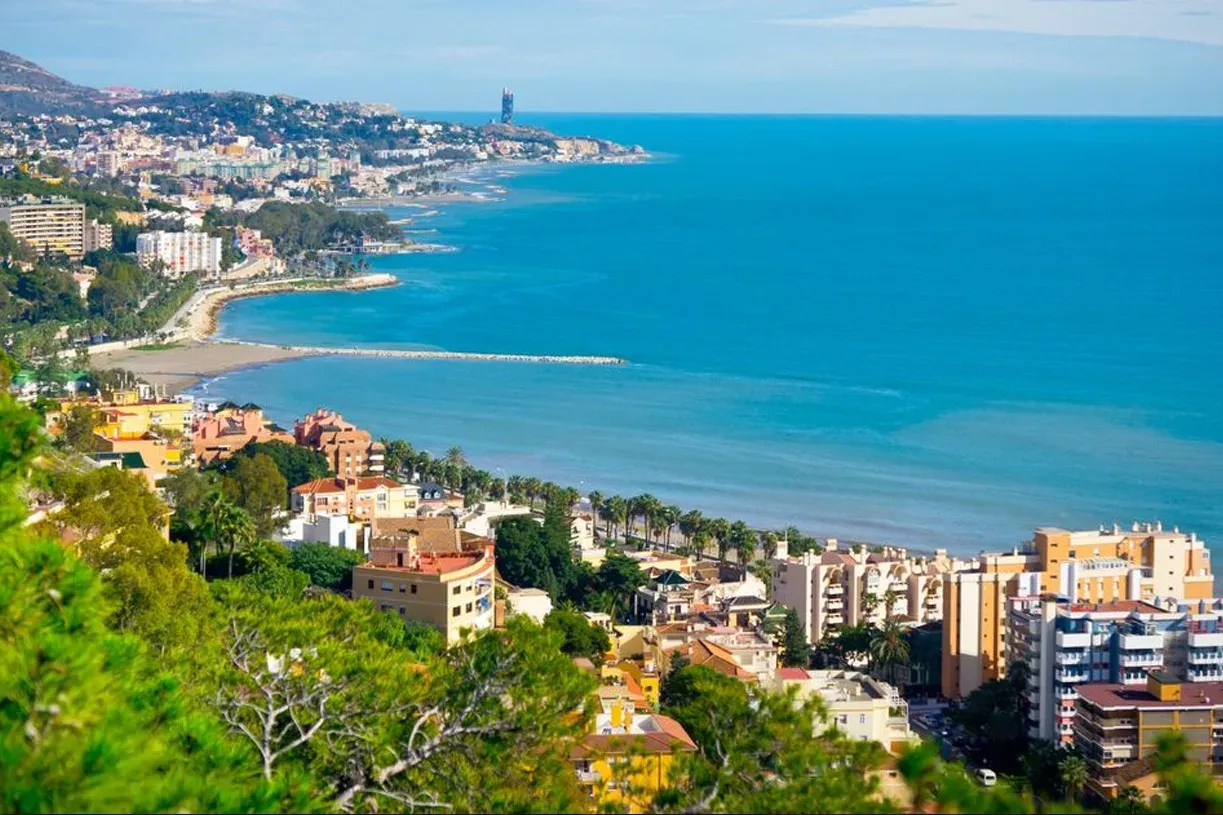
Spain has firmly established itself as the second most favored foreign destination for Moroccans, drawing nearly 20% of all Moroccan citizens traveling abroad. The Costa del Sol region, in particular, continues to attract a significant influx of visitors throughout the year, with peak travel occurring between April and September. The region's appeal lies in its stunning beaches, diverse leisure activities, and robust air connectivity with Morocco, offering direct flights from Casablanca to Madrid and other Spanish cities in less than two hours. Additionally, many travelers opt to cross the Mediterranean via ferry, further contributing to the impressive visitor numbers.
Luxury Spending and Shifting Travel Preferences
A recent report highlights that Andalusia is the top destination for Moroccan tourists within Spain, accounting for nearly 47.7% of all visitors. Other sought-after locations include the dynamic cities of Madrid and Catalonia. Coastal cities like Marbella, Estepona, and Torremolinos have seen a marked increase in the number of affluent Moroccan families, particularly those with second homes in the Costa del Sol region. This trend underscores the strong loyalty Moroccan tourists exhibit, with over half of them having visited Spain more than ten times, indicating a deep-rooted connection to the Spanish tourism market.
In terms of economic impact, Moroccan tourists are becoming an increasingly vital force across various sectors, including hospitality, real estate, shopping complexes, and luxury brands. On average, a Moroccan tourist spends approximately €1,193 per trip, with a daily expenditure estimated at around €193. This growing trend towards luxury tourism is evident, as spending patterns shift to favor high-end shopping and premium urban experiences. Clothing and accessories dominate international tourist spending in Spain, accounting for over 40%, followed by bags and leather goods at 18.8%, and jewelry and watches at 12.1%. For tax-free shopping, Barcelona remains the top choice, with Madrid and Malaga also ranking high among Moroccan shoppers.
The surge in spending is further bolstered by Morocco's recent decision to increase the limit for personal travel transfers from 400,000 to 500,000 dirhams, reflecting a broader trend of facilitating luxury travel opportunities for Moroccan citizens.
As reported by moroccoworldnews.com.