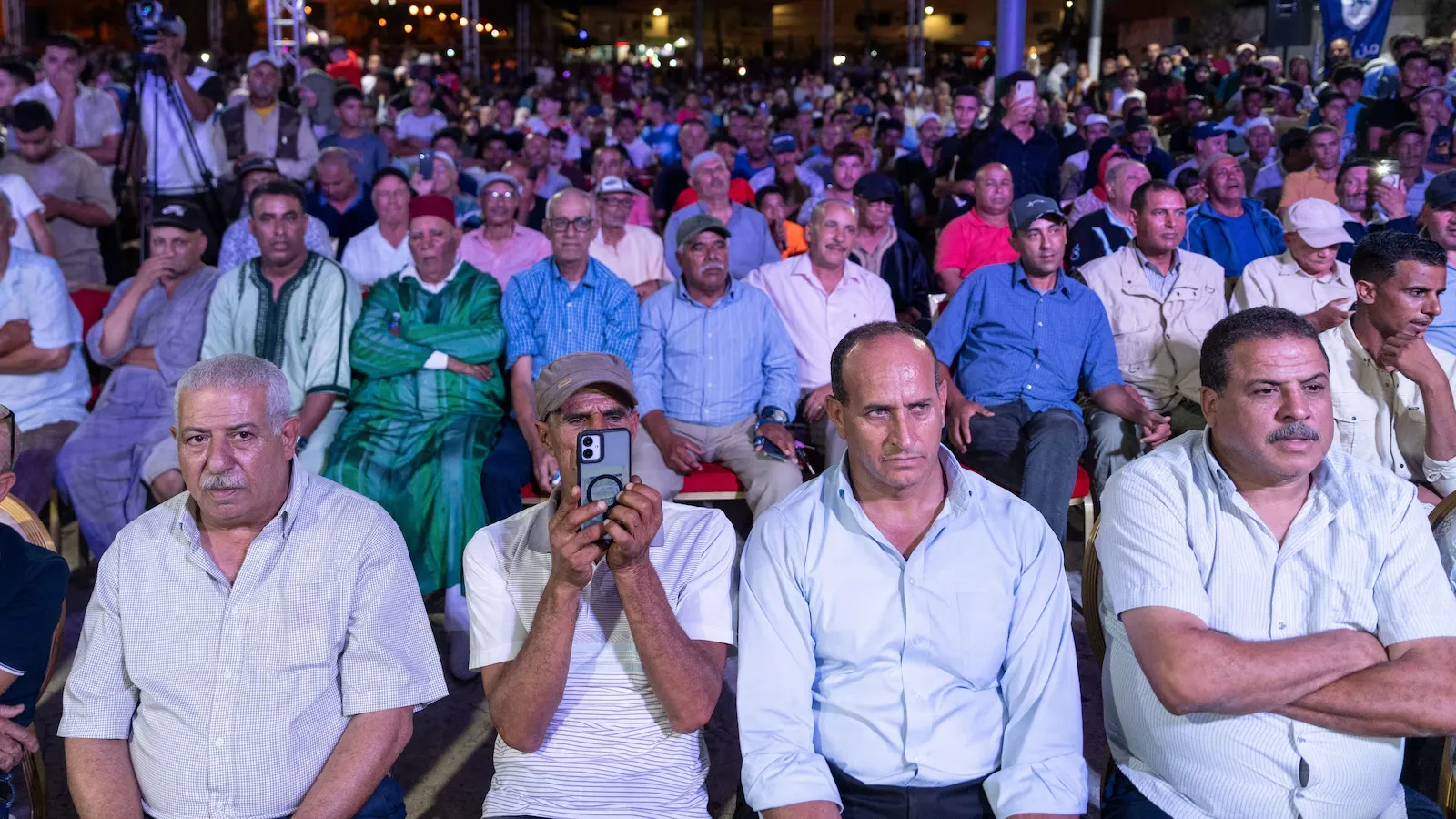
On Wednesday, Moroccan citizens will head to the polls to elect a new parliament, marking a significant moment as they grapple with pressing issues such as the soaring cost of living, unemployment, and socioeconomic inequality. The election comes at a time when political parties face considerable challenges due to widespread distrust among the electorate. Polling stations will be operational from 8 AM (0800 GMT) until 7 PM, with preliminary results expected to be announced later that evening. Nearly 16 million Moroccans are registered to vote for 395 representatives in the House of Representatives, making this election pivotal for the nation's democratic process.
One of the critical factors influencing voter turnout will be the participation of young people, a demographic that has shown a concerning trend, with only four percent of registered voters aged between 18 and 24. This low engagement among youth highlights a broader sense of disillusionment with the political system. In Morocco, the prime minister is appointed by the king from the party that secures the most seats in the parliament, after which the premier has the responsibility of forming a government that will serve a five-year term. However, it is essential to note that the monarch retains significant control over key policy decisions, which further complicates the political landscape.
The backdrop of this election is marked by rising unemployment rates, escalating prices, and growing inequality, all of which have dominated the campaign discourse. Notably, this vote follows a recent surge of predominantly young Moroccan migrants into the Spanish enclave of Ceuta, which has exacerbated tensions between Morocco and Spain. Although the migration crisis has not been a focal point of the electoral campaigns, political parties are attempting to resonate with voters by promising improvements in the quality of life for Moroccans.
While opinion polls are prohibited under Moroccan electoral law, observers suggest that the National Rally of Independents (RNI), which currently leads the governing coalition, is among the frontrunners in the election. Prime Minister Aziz Akhannouch has spearheaded his party's campaign, although he has stepped down as head of the RNI, which may prevent him from leading the next government if his party emerges victorious. Akhannouch has defended his administration's record, highlighting achievements such as the expansion of social security coverage and improvements in education and healthcare. He has pledged that the RNI will continue to strive for better outcomes for the Moroccan people if re-elected, stating, "We have done quite important work within the government."
Despite these assurances, Akhannouch has faced accusations of conflicts of interest related to his business dealings, particularly in his role with Afriquia, the leading fuel distributor in Morocco. Additionally, he has encountered substantial pressure from a youth-led protest movement that demands substantial reforms in health and education services. The RNI's primary competitor is the Authenticity and Modernity Party (PAM), which is ideologically aligned with the RNI and was established by individuals with connections to the royal palace. The PAM has gained traction by rallying support from popular figures like Budget Minister Fouzi Lekjaa, known for his leadership of the Royal Moroccan Football Federation, who has vowed to enhance the economic prospects of young people.
However, the PAM is currently facing challenges with a lack of a clear leadership structure, and its other prominent member, Fatima Ezzahra Mansouri, who serves as the mayor of Marrakesh, has the potential to become the country’s first female prime minister. The party has also been marred by a corruption scandal, with two of its senior members sentenced to lengthy prison terms for their involvement in a significant drug-trafficking case. Competing for votes is also the Istiqlal party, which focuses on social issues under the leadership of Nizar Baraka, and the Islamist opposition led by the Justice and Development Party, which has centered its campaign on anti-corruption measures as well as contentious stances against inheritance equality and the decriminalization of consensual extramarital relations.
As reported by france24.com.