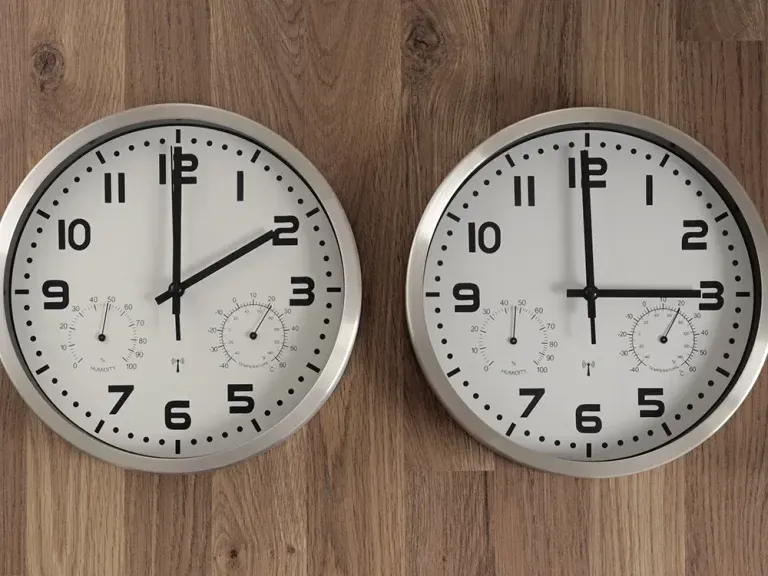

As the holy month of Ramadan draws to a close, a significant wave of public sentiment is emerging in Morocco, urging the government to permanently abolish daylight saving time, commonly referred to as GMT+1. Traditionally, Morocco has temporarily suspended daylight saving time during Ramadan, reverting to its standard time shortly after the celebration of Eid Al Fitr. However, with the conclusion of Eid Al Fitr today, the government is preparing to shift back to GMT+1 over the weekend, reigniting public discontent.
In a notable expression of dissatisfaction, Moroccans have initiated a petition against the return to daylight saving time, asserting that it presents a daily challenge for citizens. Currently, the petition has garnered over 70,000 signatures, with more than 17,000 individuals adding their names as of this writing. The petition is anticipated to attract even more supporters in the coming days, as it resonates with a growing number of voices advocating against GMT+1.
The petition articulates that the transition to GMT+1 adversely impacts the quality of life for many citizens. "The sudden shift in time leads to ongoing disruptions in our biological clocks, which in turn negatively influences academic performance, professional productivity, daily activities, and the overall mental and physical well-being of the populace," the petition states. This sentiment reflects a broader concern that the time change diminishes daily life and undermines overall health.
A common analogy has emerged among critics of daylight saving time, comparing the belief that longer days result from the clock change to a misguided notion of cutting the top off a carpet, reattaching it at the bottom, and believing that the carpet has somehow grown longer. This illustrates the frustration many feel about the perceived benefits of daylight saving time.
One signatory expressed their personal frustration, stating, "I too have signed the petition; I too am adversely affected by GMT+1. It feels like a futile exercise, as the government will likely revert to this time change regardless of the number of signatures we collect. This cycle of discontent has persisted for years, and it seems that public memory fades quickly after just a few days."
As the conversation around daylight saving time continues to gain momentum, it remains clear that many Moroccans are unified in their call for change.
As reported by instagram.com.