
Calls for Acknowledgment of Colonial Atrocities
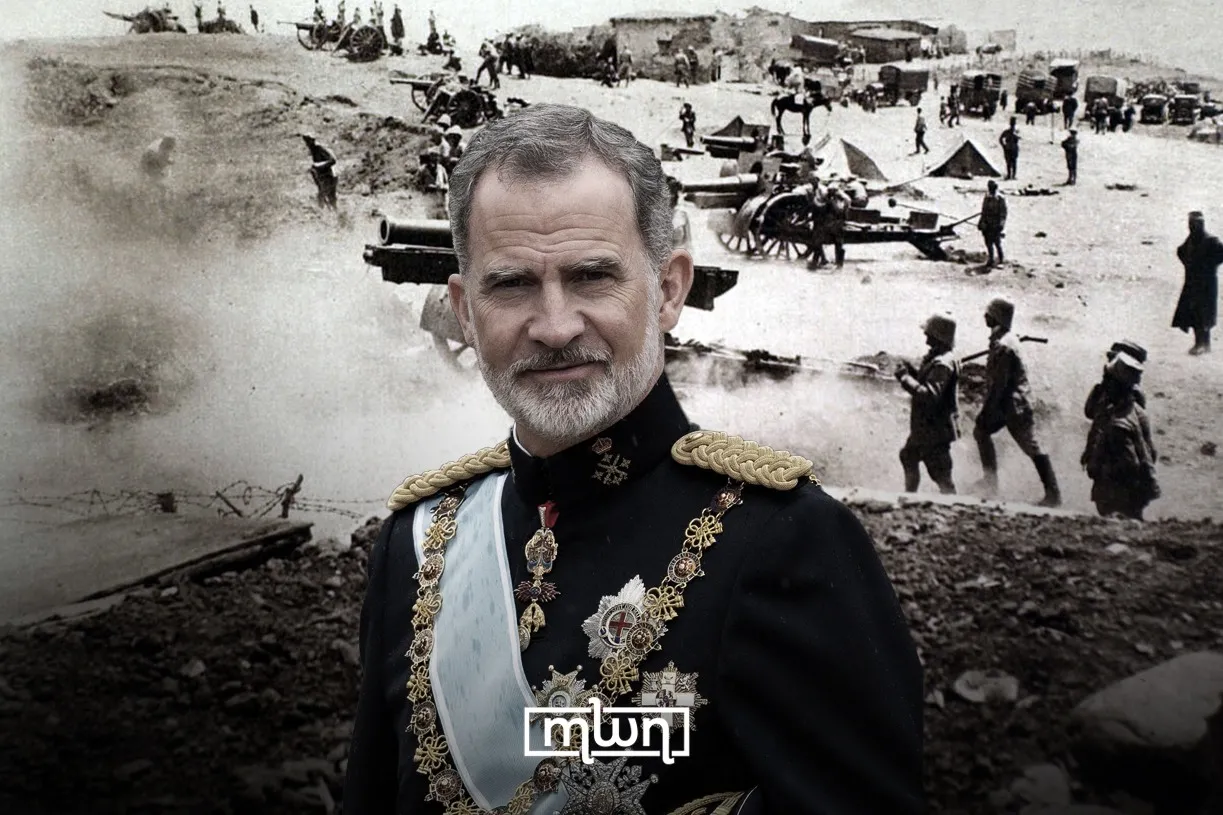
In a significant move aimed at addressing historical injustices, Moroccans have once again called upon Spain to formally acknowledge and apologize for its use of chemical weapons, specifically mustard gas, during the Rif War in the 1920s. This renewed appeal, championed by the World Amazigh Assembly (AMA), comes in the wake of recent comments made by King Felipe VI regarding Spain's colonial history, particularly his reflections on the impact of colonialism in Mexico.
The AMA, an advocacy group committed to promoting cultural rights and identity for Amazigh people, has taken the initiative to send a letter to King Felipe VI, urging him to confront the harsh realities of Spain's colonial legacy, including the documented use of chemical weapons against civilian populations in the Rif region. This appeal underscores the long-lasting consequences of these actions, which have reportedly resulted in a significant increase in cancer cases among the affected populations. Rachid Raha Mimoun, the president of AMA, highlighted the tragic reality that nearly 80% of cancer patients in Rabat hospitals hail from Northern Morocco, a region that bore the brunt of these chemical attacks.
The Historical Context and Ongoing Impact
The comments made by King Felipe VI during his recent visit to the Women in Indigenous Mexico exhibition at Madrid’s National Archaeological Museum ignited this call for acknowledgment. While the King expressed that certain historical episodes should not evoke pride when viewed through contemporary values, he emphasized the importance of contextualizing these events through thorough analysis. In light of this, Raha contends that the King’s remarks should pave the way for an official recognition from Madrid of the atrocities committed during the Rif War, including the deployment of prohibited weapons against civilian populations.
Moreover, the AMA’s letter not only seeks an apology but also emphasizes the necessity for reparations, which encompass investments in healthcare infrastructure and the establishment of specialized oncology treatment facilities within the affected regions. This initiative draws attention to the historical production sites of chemical weapons, such as La Marañosa near Madrid and a former gas plant in Beni Ensar, located near the border with Melilla.
The enduring human toll of the Rif War is palpably felt in the northern regions of Morocco, particularly among families who suffered from the chemical bombardments of the 1920s. Historical documents, including those cited in the work "Chemical Weapons of Mass Destruction over the Rif" by jurist Mimoun Charqi, reveal that the use of mustard gas was sanctioned, with records indicating the authorization of 100 C-5 bombs over Arbaa Taourirt in March 1925, targeting civilian-populated areas. This tragic legacy continues to have repercussions today, as a substantial percentage of adult and child cancer patients in Rabat’s oncology hospital originate from these historically affected areas, as reported by El País in 2015.
This is not the first instance of the AMA advocating for these issues. The group initially reached out to King Felipe VI in February 2015 and subsequently engaged with Spanish embassy officials to present historical documentation, including significant research conducted by Spanish historian María Rosa de Madariaga. The topic of Spain’s colonial past has also emerged in the realm of Spanish politics, with left-wing coalition Sumar introducing a non-binding motion in parliament in November 2025, urging the government to officially recognize Spanish colonialism in Morocco and promote public memory and education regarding the protectorate period and the Rif War.
Raha emphasized that previous Spanish officials, including Alfonso Dastis and Josep Borrell, have been informed of these demands; however, no significant actions have been taken in response. He believes that an official acknowledgment of these historical grievances could facilitate a healing process, transforming a painful colonial past into a foundation for reconciliation between Morocco and Spain, particularly as both nations prepare to co-host the 2030 World Cup alongside Portugal.
As reported by moroccoworldnews.com.