
Election Day in Morocco: A Fight for Change Amidst Disillusionment
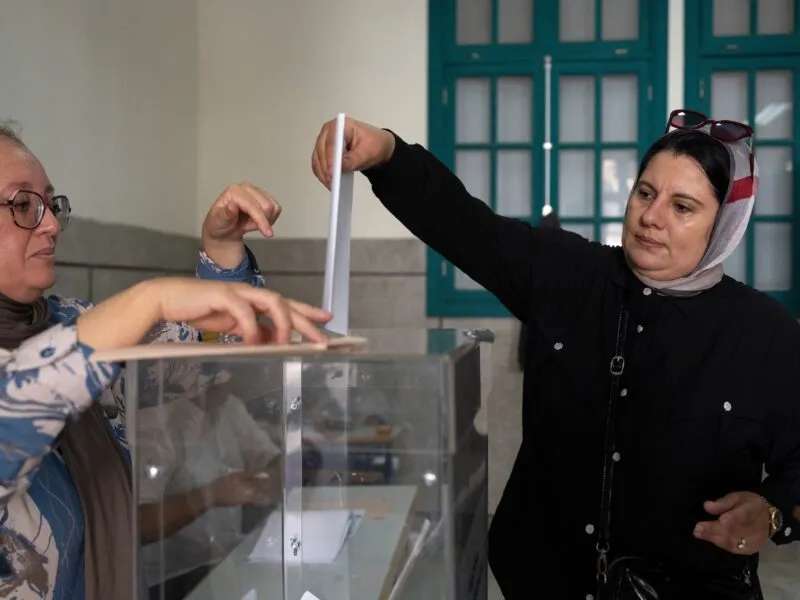
On Wednesday, Moroccans commenced voting for a new Parliament, with the pressing issues of unemployment and inequality looming large in the minds of voters. Approximately 16 million citizens are registered to elect 395 representatives to the House of Representatives. However, the election's turnout is anticipated to be a significant indicator of public sentiment, particularly given the widespread apathy among the electorate, especially the youth. With only 4% of registered voters aged between 18 to 24, the concerns affecting young people have garnered increasing attention. This is particularly true following a recent surge of young Moroccans migrating to the Spanish enclave of Ceuta and the Gen Z protest movement that took place last year, advocating for enhancements in healthcare and education.
The campaign has been rife with promises to tackle rising unemployment, soaring prices, and pervasive inequalities, while simultaneously attempting to galvanize voter participation. By noon on voting day, official figures indicated a turnout of just 11.3%, with polling stations set to close at 7 p.m. Despite the political assurances made on the campaign trail to improve living conditions in Morocco, many citizens, including older voters, expressed their reluctance to participate in the election process. "I’m not going to vote because I have lost all faith in the political class," said Majda Bakatir, a 59-year-old resident of Rabat. She further lamented the indifference of politicians toward critical issues such as healthcare, education, and purchasing power. In contrast, others like 55-year-old Karim Ennaciri voiced hope that the elections might usher in a transformative change, stating, "This will allow us to see if there’s a renewal within the parties." Preliminary results were anticipated to be released overnight following the opening of polls at 8 a.m.
The Political Landscape: RNI vs. PAM
In the context of Morocco's political dynamics, the prime minister is appointed by the king from the party securing the most seats, tasked with forming a government for a five-year term. Nevertheless, the monarchy retains authority over substantial policy decisions. Although opinion polls are prohibited under Moroccan electoral law, analysts regard the National Rally of Independents (RNI), which currently leads the governing coalition, as a frontrunner. Prime Minister Aziz Akhannouch has steered his party’s campaign, albeit stepping down from his position as head of the RNI, thereby disqualifying himself from leading the next government should his party emerge victorious. He has defended his administration's accomplishments, including the expansion of social security benefits, and assured that the RNI would further its efforts if re-elected. "We have done quite important work within the government," he claimed during a recent rally, highlighting reforms in education and health, as well as salary increases. However, Akhannouch has faced ongoing allegations concerning conflicts of interest related to his company, Afriquia, the leading fuel distributor in Morocco, alongside calls for his resignation stemming from the youth-led protests.
The RNI's primary competitor is the Authenticity and Modernity Party (PAM), which shares ideological similarities with the RNI and was founded by individuals connected to the royal palace. PAM has recently enlisted the support of a notable figure, Budget Minister Fouzi Lekjaa, recognized for his role in the Royal Moroccan Football Federation. Lekjaa has expressed a commitment to empowering the youth, stating, "We want to make young people a force capable of bringing added value rather than being left behind," while promising improved wages and purchasing power. Nonetheless, the PAM is currently without a definitive leader, although another prominent member, Fatima Ezzahra Mansouri, who serves as the minister for territorial planning and mayor of Marrakesh, is positioned to potentially become the nation's first female prime minister. Compounding their challenges, the PAM has been embroiled in a corruption scandal, with a court sentencing two senior party figures to prison in connection with a significant drug-trafficking case. Additionally, the right-wing Istiqlal party, under the leadership of Equipment Minister Nizar Baraka, has centered its campaign on social issues, while the opposition Justice and Development Party has focused on anti-corruption efforts and social conservatism regarding women's inheritance rights and consensual extramarital relationships.
As reported by courthousenews.com.