
In recent weeks, escalating strikes in the Gulf region have wreaked havoc on flights and disrupted daily life, particularly affecting Moroccan nationals residing in these areas. Many have opted to return to Morocco, while others have chosen to remain despite the mounting risks. Testimonies gathered reveal that their experiences are characterized by fear, financial strain, and an unsettling uncertainty, as the crisis evolves from a mere security threat to a significant risk of job loss and instability.
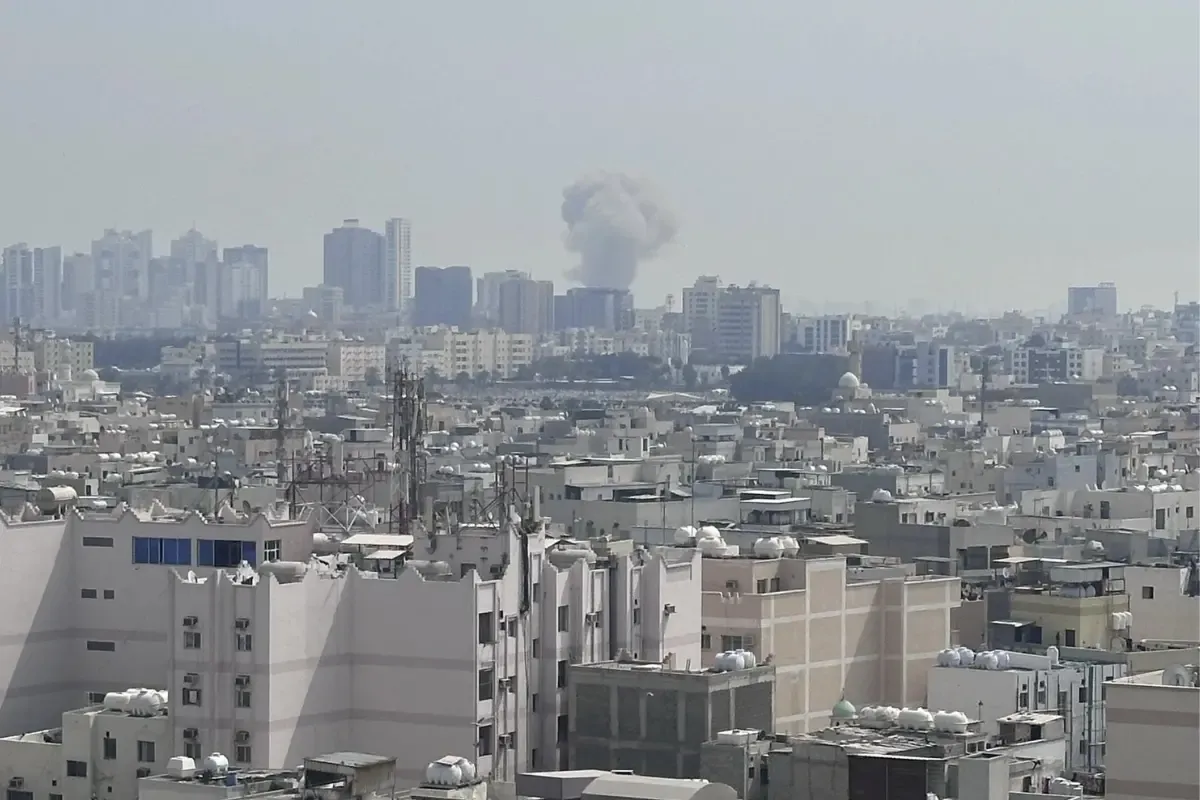
Since the onset of military actions against Iran, Gulf nations have endured relentless drone and missile attacks, a direct response to US and Israeli strikes that commenced at the end of February. This ongoing escalation has resulted in substantial flight disruptions throughout the region, complicating travel plans and hindering mobility for many. As a result, Moroccan citizens living in the Gulf have found themselves directly impacted by the turmoil, with some deciding to return home, while others remain in a precarious situation.
For Khadija, a Moroccan residing in Dubai, the urgency to return to her homeland became paramount when she found herself stranded in Bahrain during Ramadan, coinciding with the initial strikes targeting American bases in the Middle East. Reflecting on the harrowing experience, she recounted waking to the terrifying sounds of explosions and immediately thinking to evacuate her accommodations. Like many expatriates in the Gulf, she sought refuge away from potential targets, renting a room at a resort located far from military installations. The heightened security measures in place included strict protocols, such as turning off all lights and remaining indoors to avoid drawing attention.
Feeling increasingly unsafe, Khadija relocated once again to Al Hamla, a quieter area, initiating what she described as a race against time to secure her return to Morocco. She initially aimed to obtain a visa for Saudi Arabia, planning to travel through there to reach home, but faced numerous challenges as flight options dwindled. The cost of the Saudi visa surged to between 100 and 150 dinars, and after submitting her application and waiting without a response, she ventured to the border crossing only to be informed that a different visa type was required, directing her to the Saudi embassy. After navigating several hurdles, her visa was finally approved, but upon returning to collect her belongings, she discovered that nearby buildings had been bombed.
Khadija's journey out of the region proved to be both lengthy and financially burdensome. She traveled by car from Bahrain to Saudi Arabia, a six-hour endeavor, before catching a direct flight from Riyadh to Morocco for 500 dinars. Now back in Agadir at her family home, she grapples with the psychological scars of her experience, admitting to being traumatized by the ordeal. Even the slightest noise triggers her anxiety, despite knowing she is safe in Morocco. The financial toll of her experience was significant, yet she remains hopeful about returning to Dubai after her landlords exempted her from rent for March.
The shift from security fears to economic uncertainty is evident in the experiences of other Moroccans as well. Mohamed, who lived in Riyadh, made the decision to return home early in the conflict. While his journey was relatively smooth, he faced disruptions; his flight was rerouted from Riyadh to Jeddah before heading to Morocco. Now back, he notes the ramifications extend beyond security issues. He shares that unofficially, the war has begun to affect their work environment, leading to fears of layoffs due to slowing activity and delays. This change signifies a transition from worrying solely about safety to grappling with job security—a daunting prospect for many.
Despite his intentions to return to his work in Saudi Arabia, Mohamed remains uncertain about the future. He expressed a desire to return if the security situation stabilizes but acknowledges the lack of clarity surrounding what lies ahead. In light of this unpredictability, he has begun exploring job opportunities in Morocco, contemplating the possibility of relocating permanently.
Conversely, Ahmed, a Moroccan student in Qatar, opted to stay put, stating that despite the tension, the situation in Qatar remains relatively stable. He noted earlier missile and drone attacks, which were mostly intercepted by air defenses. Recently, he observed a calming of events, with no new alerts for several days, though he remains vigilant. Daily life has still been impacted, as there was a temporary shift to remote learning in schools and universities due to missile threats; however, Qatar has since returned to in-person activities as conditions have improved. Ahmed reported experiencing sirens and loud explosions, yet he feels a sense of relative safety while remaining cautious. Nonetheless, the psychological stress continues, as uncertainty and fears of further escalation linger in his daily life.
As reported by en.yabiladi.com.