
Overview of the Upcoming Legislative Elections in Morocco
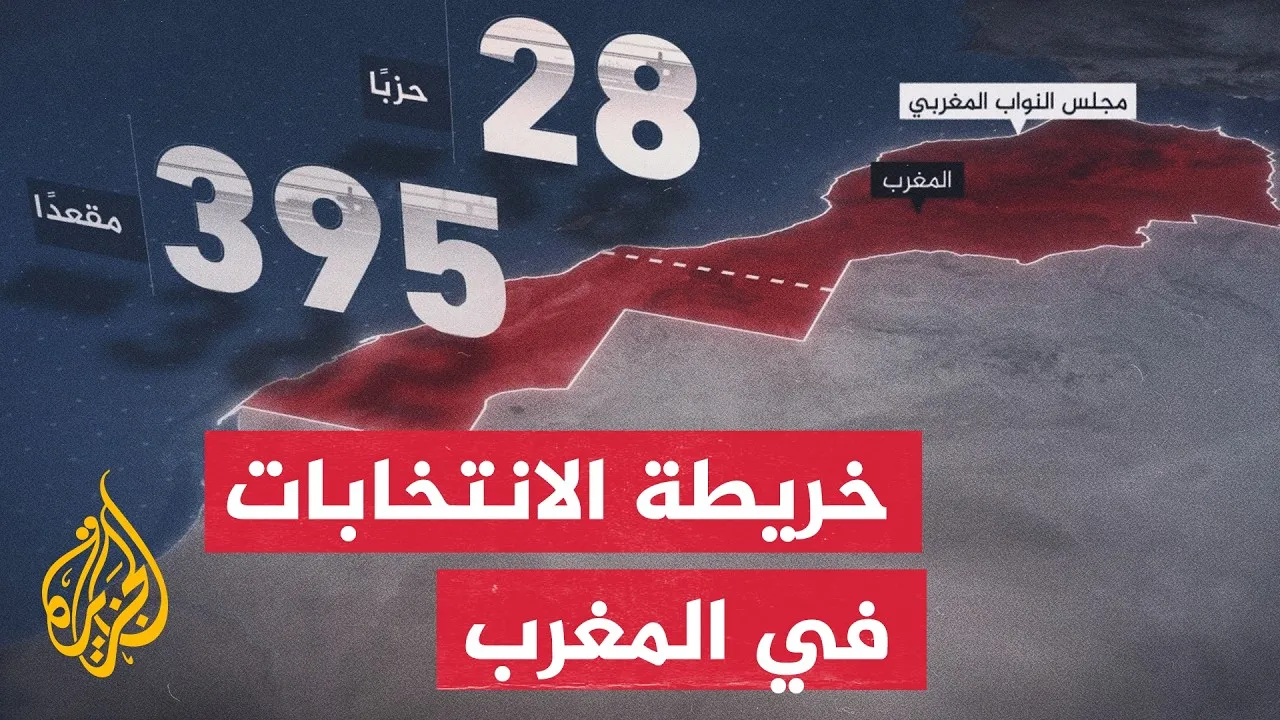
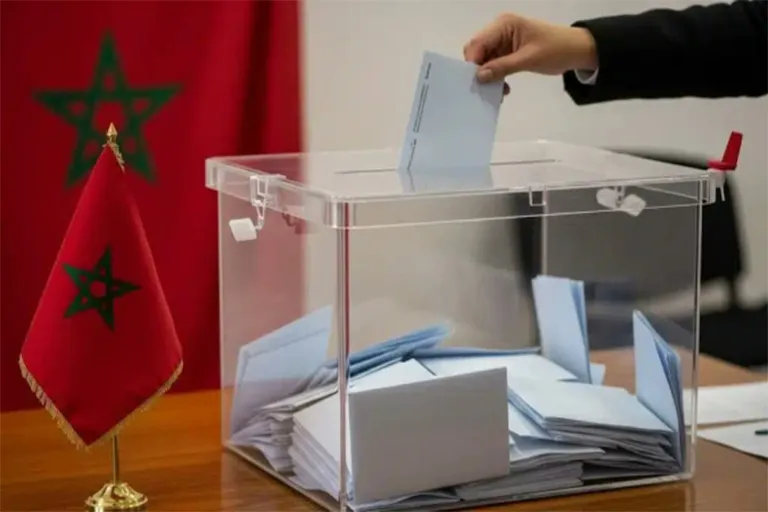
On Wednesday, September 23, 2026, Moroccans will head to the polls to elect members of the House of Representatives, a significant legislative event aimed at reshaping the composition of the 395-seat chamber and defining the new political landscape that will facilitate the formation of the future governing majority. This election is not just a routine democratic exercise; it is pivotal for the political future of the nation.
Election Observers and Voter Registration Details
In preparation for this critical electoral process, a total of 3,006 national observers have been accredited to monitor the elections. Their presence is crucial for ensuring the transparency and integrity of the electoral operations, as they represent 26 non-governmental organizations and one national institution, including 783 observers from the National Human Rights Council and 2,023 from various Moroccan civil society organizations. Additionally, around 200 observers from international, regional, and diplomatic organizations are expected to participate, emphasizing the global interest in the Moroccan electoral process.
As of July 10, 2026, a total of 15,801,162 voters are registered to cast their ballots, with the electorate composition reflecting a slight gender disparity: 54% male and 46% female. The Ministry of the Interior has reported that 1,850 candidacy lists, encompassing 7,288 individual nominations, have been submitted nationwide, averaging over 18 candidates per seat in the House of Representatives. This competitive environment highlights the vibrant political participation among Moroccan citizens.
Moreover, to ensure the fair conduct of the elections, new legal provisions have been introduced, aiming to enhance electoral integrity and restore public trust in elected institutions. These measures include stricter penalties for electoral infractions, with 28 out of 32 articles concerning electoral offenses being amended to impose heavier prison sentences and fines. Certain offenses have been reclassified as crimes, reflecting their severity. Individuals currently facing charges for breaches of integrity or morality that could undermine the electoral process are also prohibited from running for office. Additionally, those convicted of serious crimes, whether in first-instance or on appeal, will lose their eligibility to compete.
Significantly, the new regulations also target the misuse of social media and digital platforms in electoral violations, including the proliferation of "deepfakes" and misinformation aimed at defaming candidates or invading the privacy of voters. This comprehensive approach underscores the commitment to fostering a democratic environment where elections are conducted fairly, without manipulation or deceit.
As the election date approaches, the eyes of the nation will be keenly focused on the outcomes, which will ultimately shape the legislative institution and the subsequent government tasked with translating electoral commitments into tangible public policies. This legislative election is a vital opportunity for Morocco to continue its journey towards democratic consolidation and effective governance.
As reported by lecourrierdelatlas.com.