
Moroccan Community in Spain: Demographics and Education
According to the latest figures released by Spain's National Institute of Statistics, Moroccans continue to hold the title of the largest foreign-born community in Spain, with a staggering population of 1,165,955 residents as of January 1, 2025. This demographic data illustrates a consistent trend of immigration, with the past few years witnessing a significant influx of Moroccans into the country. In 2024 alone, 136,417 Moroccans established their residency in Spain, following 119,571 in 2023 and 92,299 in 2022. This trend has been ongoing, with notable waves of migration occurring between 2001 and 2010, during which 353,197 Moroccans settled in Spain. The recent data marks a departure from previous methodologies, as it now relies solely on administrative records rather than household surveys, a change instituted after the 2021 census.
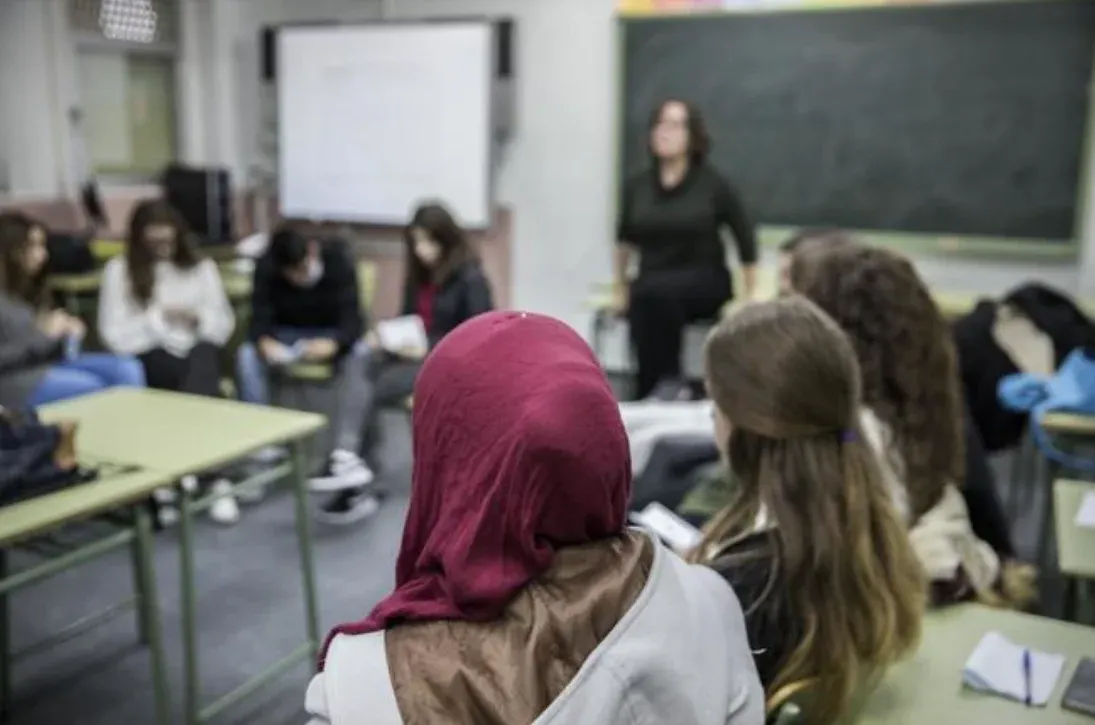
Despite their considerable presence, Moroccans face substantial hurdles in accessing higher education. Currently, only 9.3% of Moroccans hold higher education degrees, which is the lowest percentage among major foreign communities residing in Spain. In contrast, other immigrant groups such as Romanians and Dominicans fare slightly better, with 14.5% and 17.8% respectively achieving higher education credentials. On the other end of the spectrum, Venezuelans lead the foreign communities with an impressive 47.4% holding higher education degrees, followed closely by the French at 45.5% and Argentinians at 44.3%. The demographic landscape reveals that areas surrounding major urban centers like Madrid and Barcelona exhibit the highest concentrations of educated residents, particularly in municipalities such as Tres Cantos, Las Rozas de Madrid, and Sant Cugat del Vallès, where the rates exceed 63%. Conversely, regions like Rojales, Níjar, and Jódar show significantly lower educational attainment rates.
Employment Trends Among Foreign Communities
When examining employment trends within foreign communities in Spain, the data reveals that Chinese nationals boast the highest employment rate at 61.5%, followed by Ecuadorians at 56.7% and Romanians at 56.4%. Unfortunately, the National Institute of Statistics did not provide specific employment statistics for Moroccans, leaving a gap in understanding their economic integration. Overall, it is noteworthy that 33.6% of Spain's population aged 15 and over has completed higher education, with this figure rising to 42.7% among those aged 25 to 64. There is also a gender disparity in educational attainment, with women outpacing men, achieving rates of 46.9% compared to 38.4%. These statistics highlight not only the challenges faced by the Moroccan community in Spain but also point to broader trends in education and employment among foreign nationals in the country.
As reported by en.yabiladi.com.