
Morocco's Unique Coexistence of Religions
In a world often overshadowed by conflict and division, Morocco stands out as a remarkable example of peaceful coexistence among the three major Abrahamic religions: Islam, Christianity, and Judaism. This North African nation, with a predominantly Muslim population, has long been celebrated for its harmonious relationships among diverse religious communities. Although the Jewish community in Morocco has dwindled since the mass migration to Israel in 1956, the presence of active synagogues and devoted rabbis is a testament to the enduring legacy of Jewish life in this vibrant country. A recent twelve-day journey through Morocco illuminated the potential for global peace, demonstrating that a different path is possible in today's troubled world.
The Role of the Monarchy in Promoting Stability
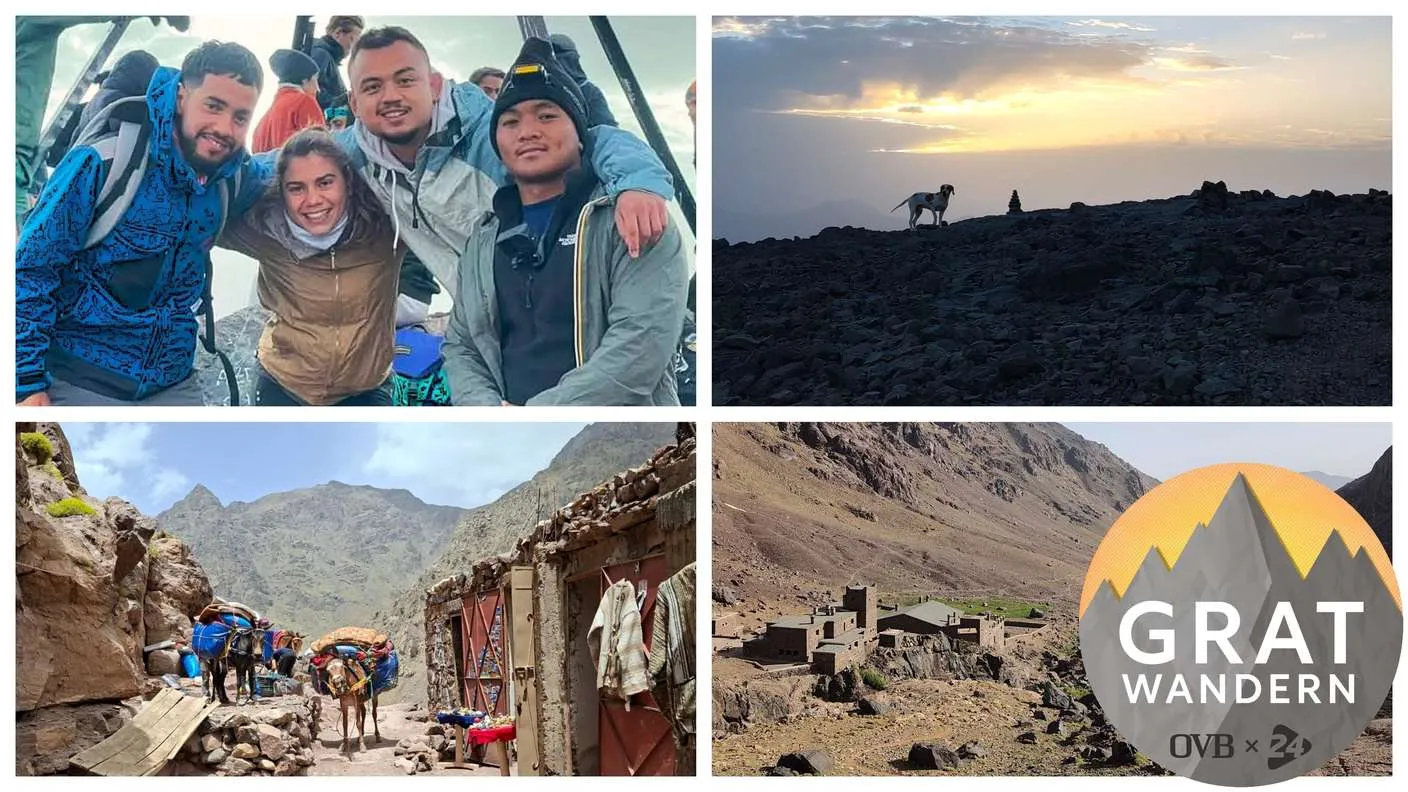
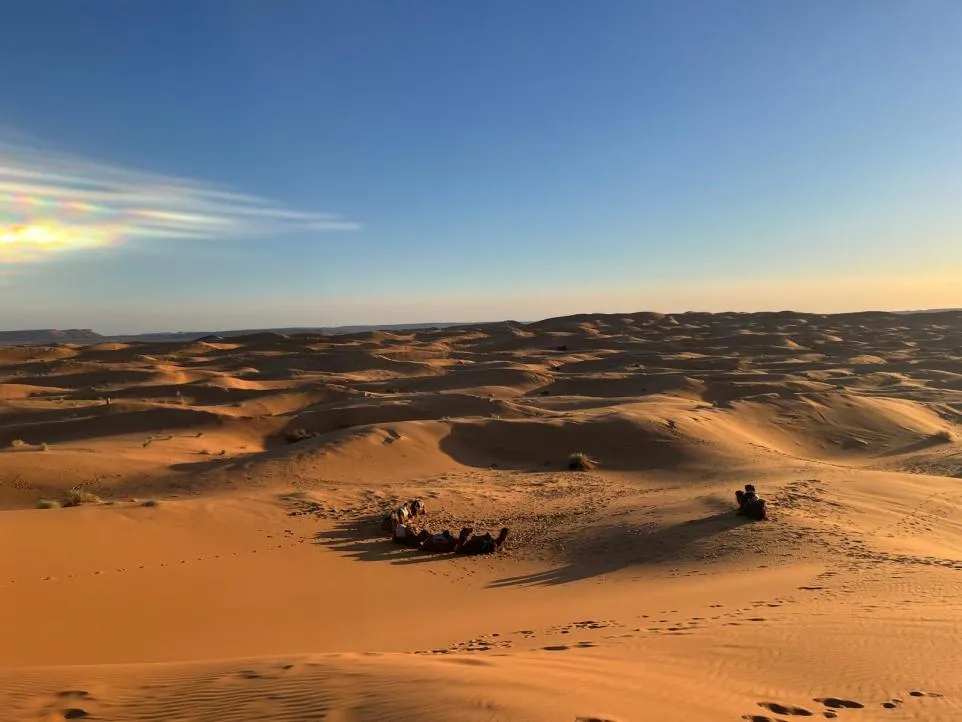
The picturesque landscapes of Morocco, ranging from the bustling Medina of Marrakech to the serene Atlas Mountains and the sweeping Sahara Desert, are matched only by the warmth and hospitality of its people. During our travels, locals frequently expressed pride in their nation's stability, attributing their long-standing peace and prosperity to the vigilant oversight of their constitutional monarchy. The Moroccan King plays a crucial role in maintaining this stability by carefully selecting leaders for essential state institutions, including the military, police, judiciary, and religious authorities. Historical instances of moral courage, such as that of Sultan Mohammed V during World War II, illustrate the monarchy's commitment to justice and inclusivity. When asked by the Vichy government to disclose the identities of Jewish citizens, he famously declared that he had no Jewish subjects, only Moroccans. Today, King Mohammed VI continues this legacy as a modernizing reformer, overseeing significant infrastructure investments and fostering a resilient economy.
Despite challenges, such as the devastating earthquake in 2023 that claimed thousands of lives, Moroccans demonstrate remarkable resilience and determination to rebuild their lives. While signs of poverty exist, particularly in rural areas, the overall atmosphere in cities like Marrakech is noticeably less dire than in many Western metropolises. The Moroccan dirham, a controlled currency, helps stabilize the economy and curb inflation. The traffic in urban centers, although chaotic at times, is managed with the presence of visible law enforcement, ensuring safety and order. Anecdotes from my journey, including a light-hearted encounter with a young officer who issued a minor seatbelt fine, reminded me that even in the face of bureaucracy, Moroccan society retains an air of civility and humor.
Ultimately, my travels through Morocco reinforced my belief that, despite the madness that often seems to envelop the globe, there remain pockets of civilization where people are warm, welcoming, and tolerant. As I reflect on the beauty and complexity of this nation, it is clear that Morocco exemplifies the possibility of coexistence and mutual respect among different faiths and cultures. It is a reminder that hope for a more harmonious world is not merely a dream but a reality that can be achieved through understanding and compassion.
As reported by hampshirechronicle.co.uk.